Skip to content
12 Main Street, Queens, NY 11435
Monday to Saturday •• 09:30 to 18:00
For Appointments Call •• (800) 555 5555
  • Healthy Living
  • Health and Wellness
    • Health
    • Physical Health
    • Healthy Bodies
    • Mental Health
  • Lifestyle
    • stories
    • Life Hacks
    • Life Tips
    • Entertainment
    • Program
  • blog
    • social life
    • Travel
    • Photography
    • Home & Garden
    • Education
    • Business
    • Skincare
    • Beauty
get tattooedget tattooed
  • Healthy Living
  • Health and Wellness
    • Health
    • Physical Health
    • Healthy Bodies
    • Mental Health
  • Lifestyle
    • stories
    • Life Hacks
    • Life Tips
    • Entertainment
    • Program
  • blog
    • social life
    • Travel
    • Photography
    • Home & Garden
    • Education
    • Business
    • Skincare
    • Beauty
  • Healthy Living
  • Health and Wellness
    • Health
    • Physical Health
    • Healthy Bodies
    • Mental Health
  • Lifestyle
    • stories
    • Life Hacks
    • Life Tips
    • Entertainment
    • Program
  • blog
    • social life
    • Travel
    • Photography
    • Home & Garden
    • Education
    • Business
    • Skincare
    • Beauty
get tattooed

alihaider

Your Gateway to the Digital World

Floral Section Separator Top
  • How Vaccinations Can Help Prevent Disease Outbreaks

    How Vaccinations Can Help Prevent Disease Outbreaks

  • Sleep Disorders and Their Effects on Daytime Functioning

    Sleep Disorders and Their Effects on Daytime Functioning

  • Navigating Post-Operative Care After Dental Implant Procedures

    Navigating Post-Operative Care After Dental Implant Procedures

  • How to Find Relief from Chronic Back Pain

    How to Find Relief from Chronic Back Pain

  • The Long-term Benefits of Consistent Allergy Shot Treatment

    The Long-term Benefits of Consistent Allergy Shot Treatment

  • Common Heart Diseases and Their Treatments

    Common Heart Diseases and Their Treatments

  • When to See a Plastic Surgeon

    When to See a Plastic Surgeon

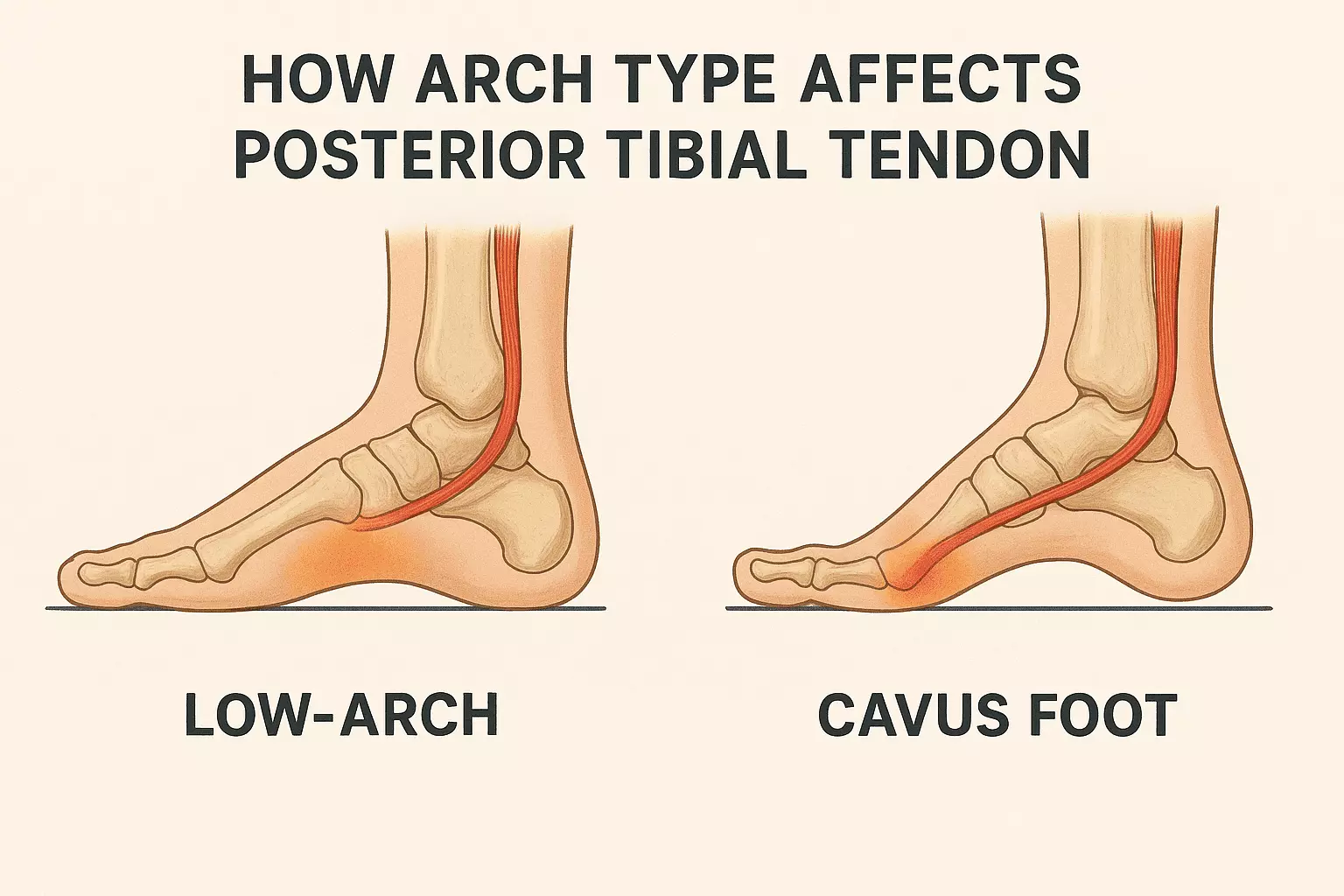
  • Flat feet, commonly known as fallen arches, happen when the arches on the inside of your feet press flat against the floor. This structural condition alters how your foot absorbs impact during daily activities like walking, running, or standing, and it can lead to widespread joint discomfort. Without the natural upward curve of the arch to distribute weight evenly, your body experiences uneven pressure across the foot. Over time, this irregular weight distribution creates a ripple effect throughout your skeletal system. Understanding how your foot structure influences the rest of your body helps you make informed decisions about managing chronic discomfort and maintaining your mobility. Biomechanical Cause and Effect Your feet support the entire weight of your body. Under normal circumstances, the arch acts as a built-in shock absorber that cushions the impact of each step you take. When you have flat feet, the foot tends to roll inward too far as you move forward; this excessive inward rolling is called overpronation. Overpronation fundamentally alters the alignment of your lower legs. Your feet act as the foundation of your body, so any misalignment here forces other joints to compensate. When the foot rolls inward, the tibia and femur, the bones of your lower and upper leg, rotate inward alongside it. This abnormal rotation places extra stress on the ligaments, tendons, and cartilage of the joints above the foot. The continuous strain from everyday movement can gradually lead to inflammation and mechanical wear. Associated Joint Conditions Because of this biomechanical chain reaction, flat feet often connect to discomfort in several major joints. Individuals experience aching or stiffness in areas far from the feet if the lower body alignment changes, and these symptoms can affect overall comfort. Conditions commonly associated with flat feet include: Ankle strain: The inward roll of the foot places immediate mechanical stress on the inner ankle. This often leads to localized fatigue, stiffness, and swelling after periods of weight-bearing activity. Knee pain: As the lower leg rotates inward, the knee joint falls out of its neutral alignment. This unnatural angle forces the knee to bear weight unevenly, which can irritate the tissues beneath the kneecap. Hip discomfort: Altered leg mechanics force the hip muscles to work harder to stabilize your pelvis during movement. Over time, this extra effort can cause stiffness in the hip flexors and the surrounding joint capsule. Lower back tension: When your knees and hips fall out of alignment, your pelvis often tilts forward. This pelvic tilt increases the curve of your lower back, leading to muscle tension and spinal joint fatigue. Professional Treatment for Flat Feet Managing joint pain associated with flat feet requires a comprehensive, structured approach. A healthcare professional evaluates your gait, joint alignment, and specific foot anatomy, and they develop a supportive plan. The main focus is on improving biomechanical function to reduce the mechanical stress placed on your joints. Custom orthotics are often recommended. These are specialized shoe inserts that support the arch and limit excessive inward rolling, which helps promote better alignment. Physical therapy may be advised to strengthen the muscles of the foot, ankle, and lower leg; stronger muscles provide better structural support for your arches. Wearing supportive footwear is another strategy, and shoes with firm heel counters and adequate arch support help maintain proper foot mechanics throughout the day. Some individuals also benefit from modifying their exercise routines. Adjusting activities can reduce repetitive stress on your joints while you build strength and stability. Talk to a Podiatrist Today Persistent joint pain can affect your daily life and limit your physical activity. If you suspect your flat feet contribute to discomfort in your ankles, knees, hips, or back, scheduling a professional evaluation is recommended. A podiatrist can evaluate your specific foot structure, and they will recommend a targeted management plan for your joint pain. They provide the practical guidance you need to support your physical foundation. By properly addressing the mechanics of your feet, you can work toward greater stability, improved alignment, and lasting comfort in your everyday movements.

    The Connection Between Flat Feet and Joint Pain

  • How to Prepare for Your Root Canal Appointment

    How to Prepare for Your Root Canal Appointment

  • How To Prepare for Your First Appointment With an Orthopedic Surgeon

    How To Prepare for Your First Appointment With an Orthopedic Surgeon

Previous345Next
reach our location

12 Main Street, Queens, NY 11435

view on map
connect with us

For Appointments Call ••  (800) 555 5555

Monday To Saturday •• 09:30 to 18:00

© 2012 - 2026 • Avada is a Website Builder for WordPress and eCommerce • All Rights Reserved • Developed by ThemeFusion

Page load link
Go to Top