
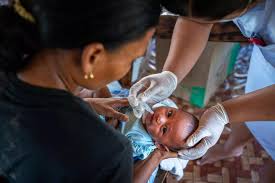

Vaccinations introduce harmless parts of a pathogen to your body. Doctors administer these safe doses, and immune systems develop defenses. If you encounter the real disease later, your body reacts fast. Vaccinations are beneficial for individual health and play a key role in protecting communities by reducing the spread of contagious diseases. Here is more information on how vaccinations can help prevent the spread of disease and subsequent outbreaks:
Reducing Transmission
Pathogens spread between people, so medical professionals may recommend regular shots. This process creates a barrier against disease. Because immunized individuals resist infections, they protect their communities. When people get sick, they spread germs to others quickly.
Sick patients cough nearby, and healthy individuals inhale the harmful particles. Vaccinations aim to break this chain of infection, and fewer infected people mean reduced chances for widespread transmission. While some viruses spread easily, high vaccination rates slow them down. Clinics offer specific shots, and communities can aim to stay much safer.
Promoting Herd Immunity
If a large group has immunity, diseases struggle to spread. We call this concept herd immunity. The whole group benefits, but vulnerable people gain the most protection. Since they rely on others for safety, widespread immunization shields them. Public health depends on collective action.
Interrupting Virus Circulation
Viruses need new hosts to survive and mutate continuously. Widespread immunity stops this process, and diseases typically quickly fade away. As pathogens lose available hosts, outbreak risks may drop significantly.
Medical providers target specific viral groups:
- Airborne respiratory infections
- Contact-based bacterial diseases
- Waterborne illnesses
- Bloodborne pathogens
- Vector-borne diseases
Mutations occur during active infections, so fewer infections may mean fewer variants. This biological process guides public health strategies. Because viruses change rapidly, stopping circulation remains a top priority.
Vaccination campaigns play a pivotal role in reducing disease spread. These efforts not only protect individuals but also contribute to the overall health of the community. When vaccination rates are high, herd immunity can form, which helps safeguard those who cannot be vaccinated due to medical reasons.
Preventing Outbreaks
When pathogens enter an unprotected population, case numbers typically spike rapidly. Outbreaks may overwhelm local hospitals quickly, so preventative measures help to save lives. Medical staff maintain control with fewer patients when they have enough resources available.
Vaccines help to reduce severity, and they aim to lower the overall transmission rate. This dual action stops localized clusters of a spreading disease from growing and infecting others. When fewer people require hospitalization, medical resources to control the symptoms of the disease remain available.
Research shows the success of widespread immunization campaigns globally. While diseases like measles once thrived, vaccines have nearly eliminated them entirely. Smallpox vanished completely, and polio cases plummeted worldwide.
Schedule Vaccinations Near You
Your health requires proactive and consistent care routines, and this includes vaccinations. A medical clinic can offer convenient appointments, and its staff provides expert guidance. Because diseases spread fast, prompt action protects your entire family. Many clinics stock standard shots, and while shots cause minor discomfort, the benefits last for years, so schedule an appointment at a clinic near you.