
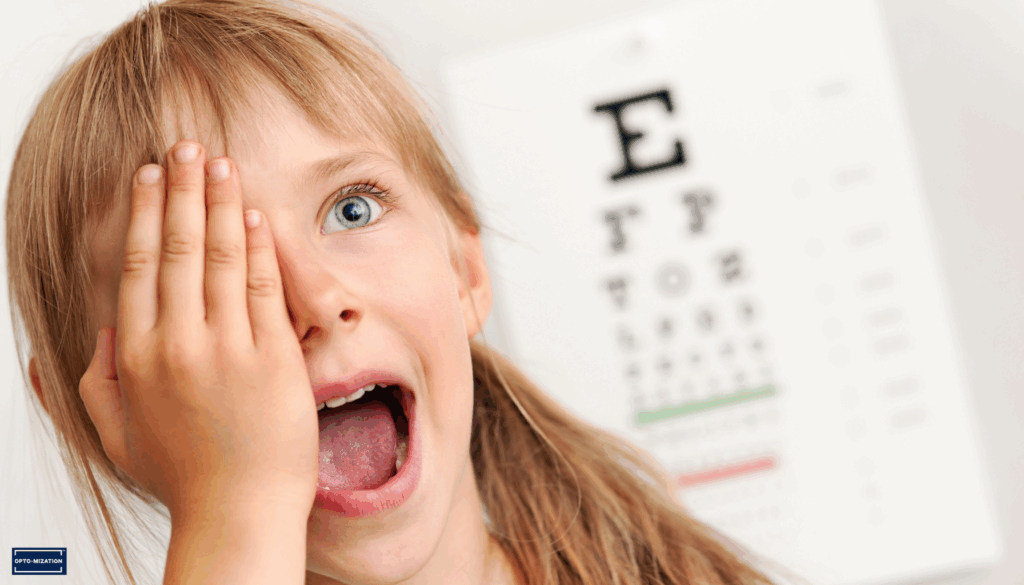

Proper pediatric eye exams support healthy physical development. Children depend on their eyesight, so early testing helps address learning issues. If a child fails a basic screening, specialists check their eyes. Medical professionals identify hidden concerns, and they provide practical solutions.
Screening Available for Children
Doctors can examine newborn eyes during routine checks. Screenings for children may include:
- Checking the “red reflex” in newborns.
- Evaluating blink and pupil response.
- Observing eye alignment and movement.
- Vision checks during well-child visits.
- Using a camera to take photos of the eyes (photoscreening).
- Testing visual acuity with an eye chart when age appropriate.
The pediatrician observes pupil responses, and they assess the normal red reflex. These initial eye exams sometimes indicate cataracts or concerns, so early observation matters. As children grow, screenings assess blink and pupil response, alignment, movement, and general eye structure. Regular well-child visits sometimes include vision checks. Doctors visually inspect the eyes, and they observe basic ocular movement. Early screenings use tools to check for certain features, with feedback provided to you on the spot. Each screening identifies concerns early, allowing for further steps if needed. Ongoing medical attention supports healthy eye development. During toddlerhood, doctors can look for signs of lazy eye and use specialized cameras during routine screenings. If a concern arises, a referral for a comprehensive ophthalmologic examination is suggested.
Evaluation and Screenings
While most children develop vision on a regular track, regular eye exams are still necessary. Nearsightedness sometimes starts in older children. For children with specific needs, contact lenses are an option. If your child has misaligned eyes or visual issues, early attention guides management, and specialists review options for correction. Early intervention supports visual outcomes. Doctors address astigmatism, and they focus on other problems as needed. Some children benefit from specialized lenses or vision therapy, which providers use to address amblyopia (“lazy eye”) or strabismus. When a concern arises, the care team discusses treatment options and next steps with your family. Some pediatric vision needs are addressed with corrective lenses. Corrective glasses help manage common childhood vision concerns. Eye care specialists track alignment, and they adjust prescriptions as needed. Because vision changes as children grow, routine care supports ongoing visual assessment.
Treatment and Diagnosis
Most children develop vision on a regular track. Nearsightedness sometimes starts in older children, so doctors may recommend glasses. Glasses can address refractive errors, supporting both near and distant vision. For children with specific needs, contact lenses are an option. If your child has misaligned eyes or visual issues, early attention guides management, and specialists review options for correction. Early intervention supports visual outcomes.
Doctors can address astigmatism, and they focus on other problems as needed. Some children benefit from specialized lenses or vision therapy, which providers use to address amblyopia (“lazy eye”) or strabismus. When a concern arises, the care team discusses treatment options and next steps with your family. Some pediatric vision needs are addressed with corrective lenses. Corrective glasses help manage common childhood vision concerns. Eye care specialists track alignment, and they adjust prescriptions as needed. Because vision changes as children grow, routine care supports ongoing visual assessment.
Book Child Eye Exams
Schedule a comprehensive eye exam today. Early treatment protects vulnerable vision, and prompt medical action is recommended. Because children might not complain about vision, parents must monitor it. Prioritize consistent pediatric eye care. Call your local eye doctor to book a comprehensive evaluation. Once you secure an appointment, you protect their future and help your child maintain healthy eyesight.