
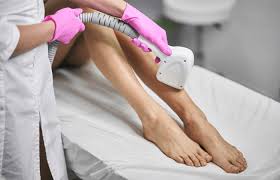

Laser hair removal is a medical procedure that uses a concentrated beam of light to remove unwanted hair. Patients benefit from seeking this treatment at medical spas to reduce hair growth, as it offers long-lasting results compared to shaving or waxing. The process targets the pigment within the hair follicles to inhibit future growth. Understanding the basics of this treatment helps patients make informed decisions about their aesthetic care.
What Is Laser Hair Removal?
Laser hair removal relies on advanced laser technology to target hair follicles beneath the skin surface. The laser emits light at a specific wavelength, and the pigment in the hair absorbs this energy. This absorbed light converts into heat, damaging the follicle. This damage delays future hair growth.
How Does It Work?
The mechanism of action centers on the principle of selective photothermolysis. The laser matches a specific light wavelength and pulse duration to maximize the effect on the targeted tissue while minimizing effects on surrounding skin. Melanin is the pigment in hair, and the laser specifically targets it. Lighter skin and darker hair create the most effective contrast.
The hair growth cycle plays a significant role in the timing of the treatments. Hair follicles go through resting and growth phases, and the laser only affects hair in the active growth phase. Patients undergo multiple sessions to target all hairs during their specific growth cycles. This phased approach yields a gradual reduction in hair density and aligns with the body’s natural biological rhythms.
What Areas Does It Treat?
Medical professionals can perform this procedure on many parts of the body. Common treatment areas include the legs, armpits, upper lip, chin, and the bikini line. Skin with tattoos should be avoided, and providers will carefully evaluate the patient’s specific treatment goals during a consultation.
What Does the Procedure Entail?
Before the procedure begins, a technician cleans the treatment area. The provider adjusts the laser equipment based on the patient’s hair color, thickness, and location. Patients will wear appropriate eye protection to shield their eyes from the laser light, and a numbing agent may be applied to their skin.
During the session, the provider presses a hand-held laser instrument to the skin. When the laser activates, the beam passes through the skin to the hair follicles. The intense heat damages the hair follicles, inhibiting hair growth. A small area like the upper lip may take only a few minutes, but a larger area, such as the back, takes longer.
What Are the Benefits?
One significant benefit of this procedure is the precision it offers. Lasers can selectively target dark, coarse hairs while leaving the surrounding skin undamaged, and each laser pulse takes only a fraction of a second. Patients may experience significant hair reduction after a few sessions, facilitating long-term skin maintenance.
Patients may report a decrease in ingrown hairs. Shaving and waxing sometimes cause these painful bumps, but the laser destroys the follicle to prevent them. The predictability of the treatment provides patients with clear expectations regarding their aesthetic goals. Individuals may also save time previously spent on daily grooming routines.
Know What To Expect
Patients should anticipate multiple treatment sessions to achieve effective hair reduction. The treated hair will fall out over the course of a few weeks, and you must protect your skin from sun exposure during this time. Understanding the complete process allows patients to plan their treatments effectively. Schedule a consultation with a specialist to evaluate your skin type.