
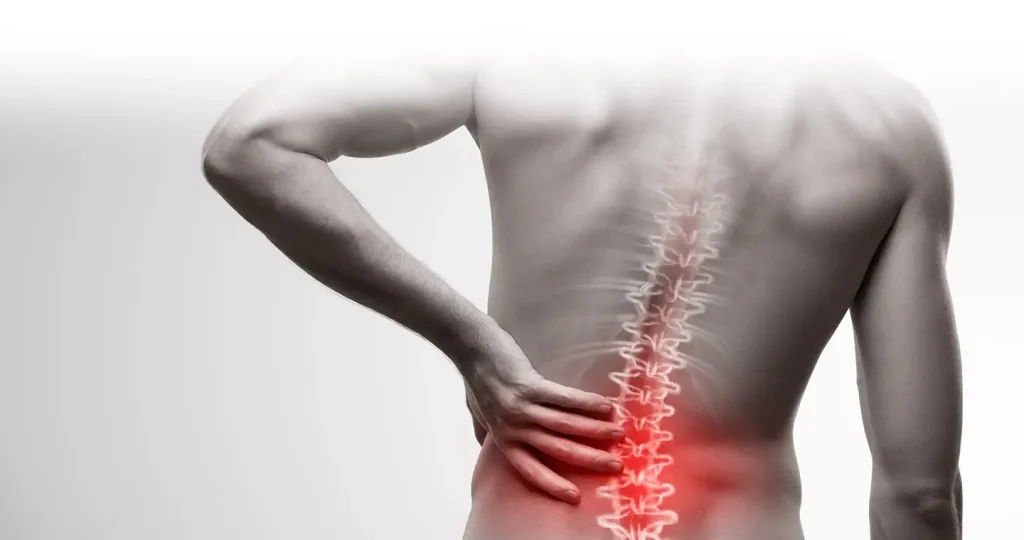

Physical activity maintains overall health, but it can occasionally cause muscular discomfort. Back pain after exercise requires careful clinical observation to determine the exact cause. Understanding the physiological mechanisms behind this discomfort aids in effective medical management. Here is more information on back pain after exercise and how it is treated:
What Is Back Pain?
Back pain refers to physical discomfort in the posterior region of the torso, ranging from a dull ache to sharp pain. Acute pain lasts a few days or weeks, while chronic pain persists for three months or longer. The exact localized region varies among individuals. It can involve muscles, peripheral nerves, or skeletal structures.
What Causes It After Exercise?
Strenuous physical exertion places mechanical stress on spinal structures, leading to muscle strains or ligament sprains. Improper lifting techniques during weight training shift the load onto vulnerable tissues, so the lower back absorbs excessive force. Rapid rotational movements sometimes cause irritation of the intervertebral discs. These biomechanical errors trigger localized inflammation.
Delayed onset muscle soreness also contributes to post-exercise discomfort. This physiological response occurs after unfamiliar physical activity, and it stems from microscopic tears in muscle fibers. The body repairs these tiny tears over several days, so the surrounding tissues become temporarily inflamed. Patients may experience stiffness during this cellular recovery period that usually resolves without specific medical intervention.
How Is Daily Life Affected?
Persistent physical discomfort alters routine functional mobility, and patients may experience a decreased range of motion. Simple functional tasks, such as bending or prolonged sitting, trigger sharp physiological responses, necessitating modifications to daily routines. Sleep disturbances may accompany nighttime muscular spasms. Restricted movement limits occupational productivity and reduces participation in recreational activities.
What Are the Treatment Options?
Initial management of acute muscular strain involves rest, and patients should apply cold therapy to reduce localized tissue inflammation. Non-steroidal anti-inflammatory medications decrease biochemical pain signals, providing temporary symptomatic relief. After the initial inflammatory phase subsides, heat application increases local blood flow to the affected region. This improved circulation facilitates tissue healing.
Medical providers also recommend specific therapeutic modalities for long-term recovery. Physical therapy programs focus on core stabilization, and they correct underlying postural deficits that contribute to spinal instability. Clinical stretching protocols restore proper muscle length around the pelvis and lower extremities. These specialized clinical interventions build necessary muscular endurance, so patients can eventually return to their previous physical activity levels without pain.
How Is Professional Guidance Beneficial?
Clinical evaluation provides a precise musculoskeletal diagnosis, and it rules out severe structural pathologies. Medical professionals may conduct comprehensive assessments to identify potential nerve root compression. Diagnostic imaging is sometimes necessary to assess internal spinal alignment and disc integrity. A proper clinical assessment guides the rehabilitation protocol, and it prevents patients from performing harmful biomechanical movements.
Consult a Specialist Today
Monitoring back pain after physical activity requires ongoing clinical monitoring. Lingering symptoms necessitate professional evaluation, so patients should not ignore persistent structural discomfort. A certified medical provider designs targeted recovery programs based on individual physiological data, which helps accelerate tissue healing. Schedule an assessment with a specialist today and seek a full functional recovery.