
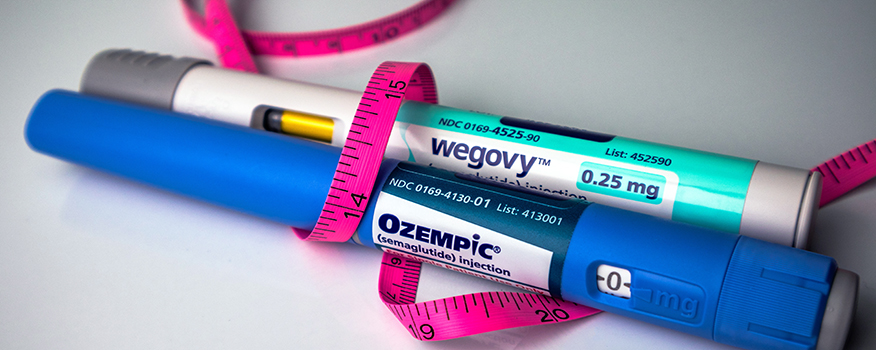

Semaglutide is a medication that has gained attention for its role in weight management. It works by influencing the body’s natural systems. These details help you have an informed discussion, so you can discuss your weight loss goals.
The Mechanism of Semaglutide
Semaglutide mimics the natural hormone glucagon-like peptide-1 (GLP-1), and this can stimulate a full feeling. Our bodies release GLP-1 after we eat, and it signals fullness to the brain. Semaglutide acts similarly, helping regulate appetite and food intake. GLP-1’s effect on blood sugar prompts insulin release, and it reduces sugar made by the liver. By slowing gastric emptying, semaglutide helps with appetite control and supports stable blood sugar levels. This slower digestion gives the body time to register fullness and reduces the urge to overeat. Semaglutide is typically taken as an injectable medication, and your provider will explain how to use it safely. It suits some who have not found success with other weight loss interventions. Follow instructions on self-administration and storage for best results. If you have questions about the injection process, your healthcare team will offer guidance and coaching.
The Change of Appetite
Semaglutide reduces hunger in some people. You might notice changes in appetite, which makes it easier to follow structured meal plans. If appetite decreases, it can lead to eating smaller portions, which helps with weight management. Changes in hunger help you notice fullness cues instead of eating out of habit. This change in appetite occurs because the medication interacts with brain areas that control hunger and satiety. By supporting signals of fullness, semaglutide helps you delay eating or choose lower-calorie options. A regular meal and snack routine gives your body structure, and it makes food decisions more manageable. Advance meal planning, portion control, and not skipping meals support a steadier approach and prevent extreme hunger. This increased sense of fullness encourages new eating habits, and it may promote continued wellness. People respond differently, and it can take several weeks for these appetite changes to become fully noticeable.
The Considerations for Treatment
Before starting semaglutide, a conversation with a doctor is needed. They will review your medical history, and your provider will ask about any current medications. Your doctor’s evaluation helps align medical decisions with your health background and needs. Some health conditions or prior experiences with medications might affect whether semaglutide is an appropriate option for you. Your healthcare provider will review your health history, and they can discuss any factors that influence your plan. It is helpful to discuss your current lifestyle, previous weight-loss efforts, and any challenges you have faced in past attempts.
Understanding that gradual progress is common and expected can help you approach the process with patience. Your physician will explain how semaglutide fits into a weight management plan, and they will answer questions you have. They may also discuss the value of regular check-ins and how to accurately monitor your own progress. If you rely on other daily medications or supplements, let your provider know in case of interactions. Follow their guidance, education, and periodic reviews.
Try Semaglutide Today
If you are exploring weight loss options, talk to a healthcare professional. They will assess your needs, and your provider will determine whether semaglutide is a safe and appropriate choice. Bring your questions to your appointment. Book your appointment soon.