
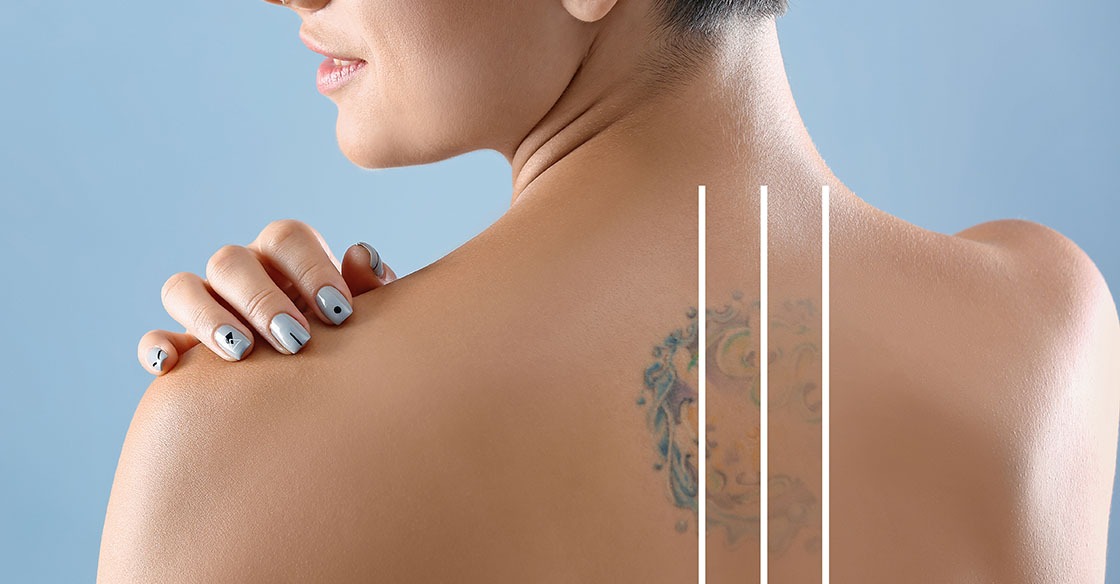

Professional tattoo removal involves specialized medical laser devices, and it helps eliminate unwanted ink from the skin. While people get tattoos permanently, modern clinical lasers offer a reliable way to erase them safely. Experienced practitioners use focused light beams on the skin, and this specific process breaks down the ink. Here is more information on laser tattoo removal techniques and what to expect:
Using Highly-focused Energy
When the trained technician operates the medical device, it emits intense light pulses into the dermal tissue. The powerful energy passes safely through your uppermost protective skin layers without causing severe surface damage. The light reaches the dermis, and the trapped dark ink absorbs the laser energy almost instantly. As the rapid absorption happens exactly as planned, it creates a very specific reaction within the skin cells.
Modern laser tattoo removal machines generate extremely brief flashes of highly focused light during the treatment. This speed typically prevents severe burns, and it protects the surrounding healthy tissue from excess heat damage. Since the energy delivery remains extremely precise, the upper skin stays mostly undamaged during the scheduled treatments.
Breaking Up Pigments
Original ink particles are quite large, so your natural body struggles to remove them normally without help. After the intense laser strikes the targeted tattoo, the sudden extreme heat shatters the ink drops. The rapid flashing light creates a powerful physical shockwave directly within the localized dermal tissue area. The internal pressure builds up rapidly, and the solid ink structures burst apart into microscopic dust.
Because the powerful shockwave hits the ink directly, the solid masses crumble into much tinier metallic fragments. You need these incredibly small particles for the next necessary step to happen correctly. The laser pulverizes the trapped pigment, and the resulting dust becomes manageable for your bodily system. Unless the stubborn ink breaks down, the body will simply ignore the foreign material trapped inside.
Different permanent tattoo application styles require unique technical removal approaches for ideal final results. Lighter shading fades rather quickly, but densely lined areas take extra time to fragment properly and fade. If a tattoo features deep, heavy outlines, the technician uses significantly more intense laser machine power settings.
Adjusting for Different Colors
Technicians must change the laser wavelength appropriately, and this specific adjustment targets specific ink hues perfectly. Standard dark black ink typically absorbs all emitted light wavelengths easily during the regular treatment session. While dark colors respond quickly, bright, distinct shades need specialized laser frequencies to fade away. Providers utilize different functional handpieces, and they select specific tools for treating these rather tricky skin colors:
- Red and bright orange pigments
- Green and vibrant blue inks
- White or specially blended pastel tones
Allowing Body to Flush Pigments
Once the dark ink shatters into microscopic fragments, your own immune system takes over the physical process. Special white blood cells consume the metallic dust, and they carry the microscopic waste away permanently. Your body filters these tiny chemical particles effectively over a long period of time. As the weeks pass by naturally, the broken pigment leaves through normal biological waste functions.
Schedule Tattoo Removal Sessions
The entire gradual tattoo fading process requires multiple planned clinical visits to reach the final desired goal. You need several weeks between appointments, and this waiting time gives your skin appropriate space to heal. If you want to start this exact process, book an initial professional consultation first. Contact a dermatology clinic staff member today to set up your first consultation appointment.