
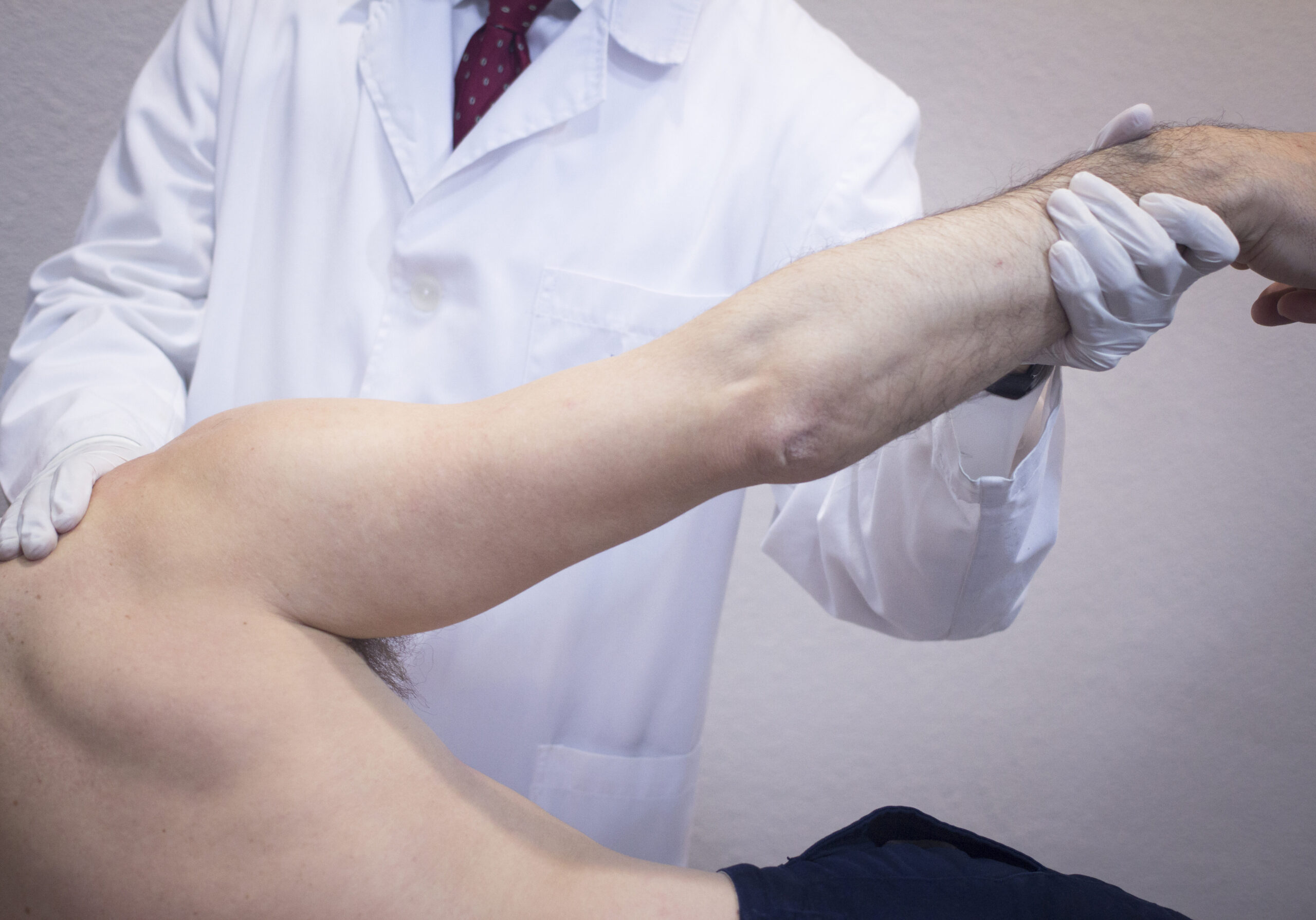

An orthopedic surgeon consultation addresses your musculoskeletal issues. You may face a recent injury, or you manage chronic knee pain. Because sports medicine requires precision, doctors assess your specific needs. Proper preparation helps you get the most out of your medical visit.
Background and Medical History
The orthopedic surgeon reviews your medical history. They ask about your shoulder pain, and you describe the symptoms. They may focus on prior injuries, patterns of discomfort, or changes in your activity level that relate to your current problem. Since past injuries matter, they review previous treatments. Details such as prior surgeries, medication responses, and the time course of your symptoms help build a complete picture. This context guides the clinical evaluation, and it helps the surgeon avoid unnecessary tests or procedures. You must share accurate details and state your goals. This openness gives the surgeon a basis for tailoring treatment to you. Although an ACL tear limits mobility, clinical care helps, and the doctor explains how. A thorough discussion of your history also helps the surgeon identify risk factors for future injuries or complications, further personalizing your care plan.
Assessment of Your Injury
Physical examination follows the initial clinical conversation. The orthopedic surgeon tests your mobility, and they check your joint stability. You may be asked to walk, squat, or gently move a limb to show your range of motion and any signs of discomfort. The surgeon might palpate the affected joint, since they are checking for tenderness, warmth, or pain. They assess joint alignment and sometimes perform specialized tests. These can include the Lachman test for ACL tears or specific maneuvers for rotator cuff injuries.
Sensory and reflex assessments may be included if nerve involvement is a concern. Sometimes existing imaging is used, or new diagnostic scans like X-rays, MRIs, or ultrasounds are ordered. These tools help identify breaks, tears, or degenerative changes and confirm the diagnosis when symptoms are unclear. If a rotator cuff tear is suspected, X-rays may be requested and MRIs reviewed. Current findings are compared with any past imaging to note progression or changes. Follow-up questions will be asked here.
Treatment and Diagnosis
The doctor clearly discusses your formal diagnosis. They review your test results, and they explain what the diagnosis means for you. They outline non-surgical options, such as physical therapy, medications to reduce pain or inflammation, and sometimes recommend activity modification. If you have experienced an ACL, meniscus, or rotator cuff tear, the surgeon describes rehabilitation and recovery timelines. If your joint shows severe damage, they may discuss replacement or other surgical procedures.
They often outline a structured physical therapy routine, provide home care instructions, and make recommendations you can implement. You can call if you have questions later. The doctor will use models, diagrams, or digital aids to enhance your understanding of the condition and its treatment. You ask your questions, and the doctor provides direct answers. They will address your concerns about pain, recovery time, and treatment risks. After they explain the timeline and expected outcomes, you review the steps together. Schedule follow-up care or additional testing.
See an Orthopedic Surgeon Today
Your path to physical recovery starts today. You understand the consultation process, and you know the required steps. Prompt medical care aids recovery. Call your office, since they can book your appointment. Contact your clinic for orthopedic guidance today.