
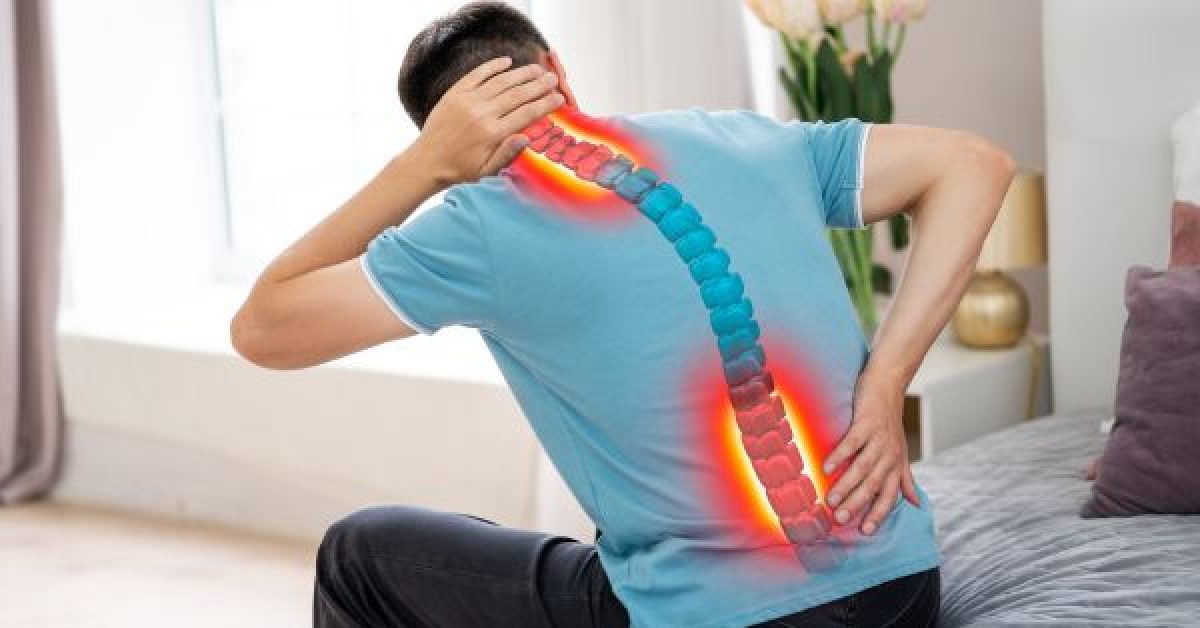

Back pain refers to discomfort, tension, or stiffness located anywhere along the spine. This common issue involves the complex network of muscles, ligaments, and bones that make up your back. Symptoms vary widely, ranging from a dull, continuous ache to sudden, sharp sensations that limit your movement. While many people experience back discomfort at some point in their lives, certain everyday habits and physical conditions can make existing symptoms more noticeable or more intense. Recognizing the specific factors that aggravate your back can help you make informed decisions about your daily routine. Many individuals overlook the impact of their environment and daily habits, but making small, deliberate changes can significantly support their spine.
Physical Activity and Improper Lifting
Physical activity is generally beneficial for maintaining overall strength, yet sudden or improper movements may easily aggravate back pain. One of the most frequent triggers for back discomfort is improper lifting technique. Bending at the waist to lift a heavy object makes your back muscles and ligaments absorb most of the force. Improper lifting places unnecessary tension on the spine, often aggravating existing back issues. Engaging in strenuous activities without a proper warm-up can also lead to sudden muscle fatigue. To support your back during physical tasks, try the following practices:
- Bend your knees when lifting items from the floor to use your leg strength.
- Keep the object close to your body to maintain a steady center of gravity.
- Avoid twisting your torso while carrying heavy loads or reaching for items.
Poor Posture and Excess Weight
The alignment of your spine plays a major role in how your back feels throughout the day. Slouching over a desk or looking down at a mobile screen changes the natural curve of your spine, and this unnatural position forces your back and neck muscles to work harder just to keep you upright. Carrying excess body weight shifts your center of gravity forward, placing additional and constant pressure on the lower back structures and potentially altering how your pelvis aligns. Poor posture strains the supporting muscles, but correcting your alignment, such as choosing a chair that supports the natural curve of your lower back during work hours and keeping computer screens at eye level, can help reduce daily discomfort. Maintaining a balanced lifestyle supports your physical framework and may lessen strain on your back over time.
Sedentary Lifestyle and Smoking
While physical overexertion can cause discomfort, a complete lack of movement presents its own set of challenges. A sedentary lifestyle weakens the core and back muscles that support the spine, so when these muscles lose strength, the spine bears more of the body’s daily physical stress. Regular movement is advisable to keep muscles engaged, as prolonged sitting can cause them to become stiff and less supportive. Smoking is another lifestyle factor that affects back health. Nicotine restricts blood flow throughout the body, including the blood vessels supplying oxygen to the spinal area. Incorporating brief, regular walks into your daily routine, performing gentle stretching to maintain flexibility in your hamstrings and hips, and seeking support to quit smoking are helpful ways to support long-term vascular and back health.
Ask About Back Pain Today
Understanding the specific factors that worsen back discomfort is a significant step in managing your daily well-being. Everyone experiences physical challenges differently, meaning that what aggravates one person’s back might not affect another’s in the same way. Modifying your daily habits can offer baseline support, yet professional guidance is often useful for persistent or disruptive issues. If your discomfort continues to interfere with your routine, reach out to a professional who can assess your specific situation. They can help you identify exactly what aggravates your back and provide clear, straightforward guidance tailored to your needs. Take the time to document your daily activities, note when your symptoms worsen, and ask about back pain today.