
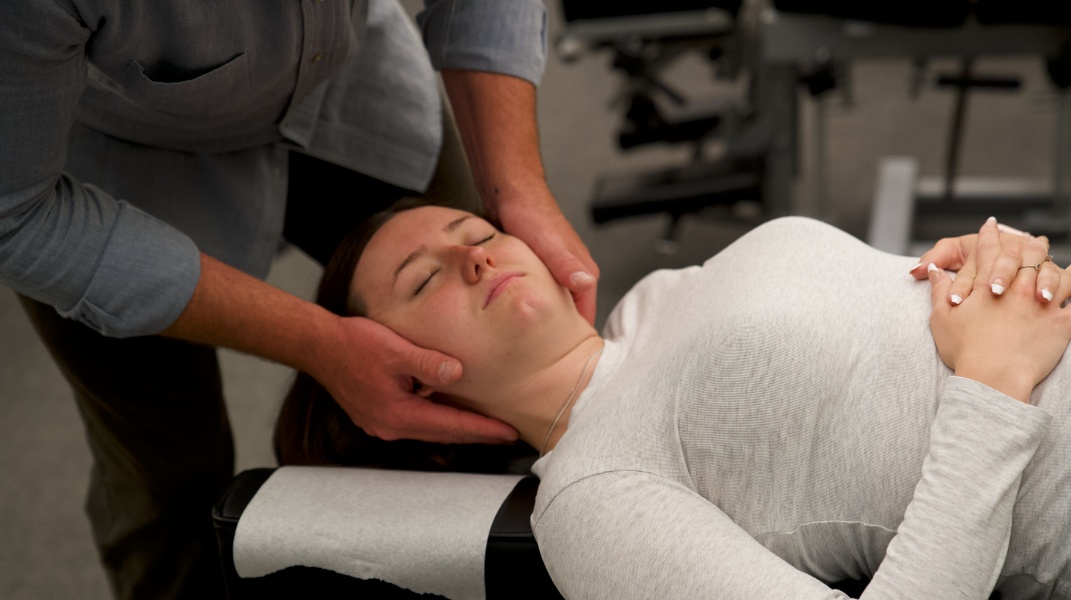

Neck and back pain limit physical mobility and affect daily activities. The cervical spine consists of bones, nerves, muscles, and ligaments working closely together. When discomfort arises, finding the exact source requires a methodical medical evaluation. Physicians utilize a variety of diagnostic tools to identify the origin of the problem. Imaging technology provides a detailed view of the internal structures within the neck and spine. These visual records allow doctors to observe bone alignment, nerve compression, and tissue damage. A precise diagnosis guides the subsequent medical plan.
What Causes Neck and Back Pain?
Several physical and environmental factors contribute to neck and back pain. As people age, the components of the cervical spine undergo natural degeneration. Cartilage wears down over time, and the spaces between the vertebrae narrow. This structural deterioration often leads to stiffness and aching.
Physical strain also plays a significant role in developing muscular tension. Poor posture and weak abdominal muscles place undue stress on the spine. Acute injuries directly damage the soft tissues, nerves, and joints of the neck. Whiplash, a common occurrence in automobile collisions, forces the head into a rapid back-and-forth motion. Conditions like spondylosis involve the formation of new bone growths on the vertebrae, which interfere with normal spinal function.
How Is It Diagnosed?
The diagnostic process begins with a review of the patient’s medical background and a physical examination. When physical examinations do not yield a definitive answer, medical professionals utilize advanced imaging techniques. X-rays produce clear pictures of the skeletal structure and reveal bone alignment abnormalities, fractures, or arthritis.
Magnetic resonance imaging (MRI) generates detailed images of soft tissues, as well as nerves and the spinal cord. Doctors use MRIs to detect herniated disks, abnormal tissue growths, or specific nerve compressions, and a computed tomography (CT) scan detects subtle bone deterioration and the presence of bone spurs. Other diagnostic procedures include electrodiagnostic testing and laboratory analysis.
How Is It Treated?
Medical care for spinal issues ranges from conservative methods to specialized interventional procedures. Minor discomfort often responds to basic self-care, including heat, ice, and exercise. Alternating heat and cold applications reduces swelling and improves local circulation. Physical rehabilitation builds muscular strength to support the spine.
Specialized physicians administer localized treatments for persistent discomfort. Epidural steroid injections deliver medication directly to the affected spinal area and reduce inflammation around compressed nerves. A cervical facet block targets the joints connecting the vertebrae, utilizing an anesthetic and steroid mixture to relieve localized aching.
Other interventional procedures address the transmission of pain signals. Radiofrequency ablation applies heat to specific nerve tissues, which interrupts their ability to send signals to the brain. Spinal cord stimulation involves placing a small device beneath the skin, delivering mild electrical currents to the spinal nerves.
Seek Professional Orthopedic Care
Addressing spinal discomfort promptly prevents temporary issues from developing into chronic conditions. Persistent nerve compression sometimes leads to permanent loss of sensation or decreased motor function, and early medical evaluation expands the range of available therapeutic options. Specialized medical teams possess the training and equipment necessary to conduct thorough diagnostic evaluations. Utilizing advanced imaging helps facilitate a precise understanding of the underlying anatomical issues. Patients experiencing continuous discomfort should schedule a consultation with an orthopedic or pain management specialist, allowing them to explore appropriate medical interventions.