
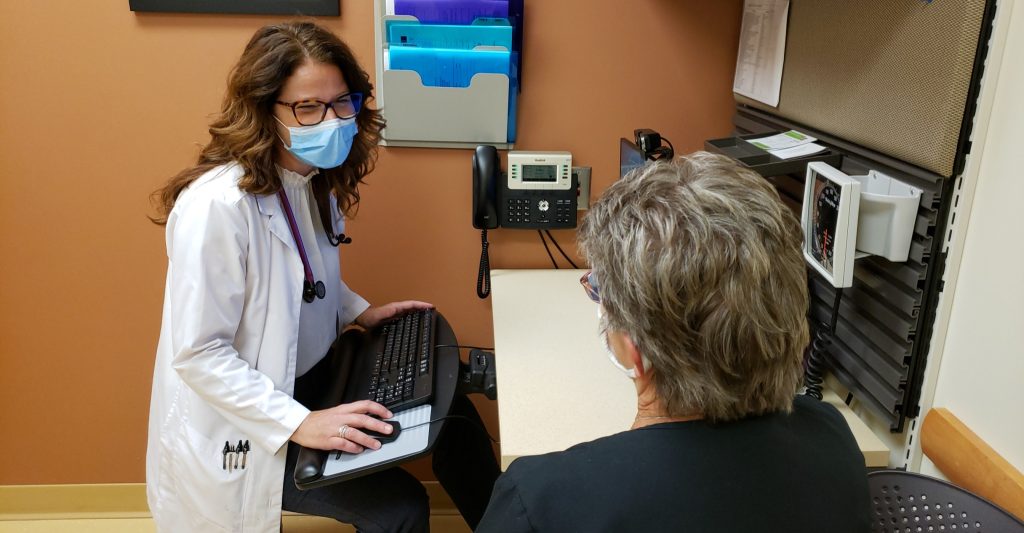

Illness can strike suddenly, and parents must respond quickly. When children exhibit symptoms of illness, pediatricians provide guidance. Proper care requires prompt decisions. Parents must stay informed, and the medical staff provides expert guidance at sick visits.
Symptoms Requiring Sick Visits
Pediatricians handle minor illnesses daily. Colds cause discomfort, but routine sick visits offer relief. If your child develops a fever, schedule sick visits, and the doctors will help. Fevers bring concerns about underlying infections, and a healthcare professional checks for signs of further illness. Healthcare professionals treat the flu. Body aches, fatigue, and chills often appear with high fevers, and children feel worse without proper rest. Coughs and earaches need care, or they persist and become painful. Coughing sometimes resolves on its own. Persistent or severe symptoms require medical advice to rule out bronchitis or other infections. Earaches disturb sleep, and frequent ear rubbing or crying suggests discomfort needing medical attention. While sinus infections cause facial pain, medical staff provide targeted treatment.
Sinus pain makes it difficult for children to eat or sleep, and sometimes there is swelling or tenderness. Conjunctivitis causes red, itchy, or watery eyes with discharge. A proper diagnosis aids the right treatment plan. Mild allergic reactions require fast attention. Symptoms such as hives or mild swelling can develop; determining the cause helps prevent future reactions. They treat insect bites, and doctors manage minor asthma attacks carefully. If your child has mild wheezing, labored breathing, or a persistent cough, seek care promptly.
Conditions Needing Emergency Care
Some symptoms require immediate emergencies. Difficult situations escalate quickly, and visiting hospitals is sometimes necessary. High fevers that do not go down with medication or are accompanied by confusion or limpness need urgent care. If children show decreased alertness with a high fever, this is an extreme emergency. Immediate action is needed. Chest pain in children, especially with trouble breathing or blue lips, is a sign to call emergency services. Severe asthma attacks restrict breathing, and allergic reactions require urgent medical care. Difficulty speaking or using inhalers without relief signals an emergency. Because severe abdominal pain causes extreme distress, doctors intervene rapidly. Waiting could lead to dehydration or further health issues. Dehydration poses risks. If breathing difficulty occurs, emergency room staff may provide oxygen.
Benefits of Prompt Medical Attention
Early medical care provides many advantages. Accurate diagnosis directs treatment. Doctors monitor recovery. Address health concerns early so medical staff can identify the exact issues. Prompt action prevents severe complications. Proper diagnosis informs subsequent care. Doctors implement specific treatment plans. Healthcare providers track symptom progression, and they make medical records to document health trends. Routine sick visits let professionals check for hidden concerns. Parents may also receive advice on symptom management at home. This builds confidence, and it supports recovery between visits. Quick decisions improve pediatric health. Medical visits eliminate parental guesswork, and prescribed medicine treats infections. Children who receive timely care may be less likely to transmit infections. Medical staff provides guidance about prevention. While home care offers comfort, clinical visits identify root causes, and medical interventions can restore overall well-being. Regular communication with healthcare providers gives families trust, and it strengthens the partnership with care teams.
Take Immediate Action
When symptoms of illness appear, consult your pediatrician promptly. Monitor your sick children closely. Medical professionals provide structural support, and they guide your health decisions. Schedule a necessary sick visit today. Protect your entire family, and contact your local clinic now. If a serious medical emergency occurs, you must seek urgent care immediately. Prioritize your family’s health.