
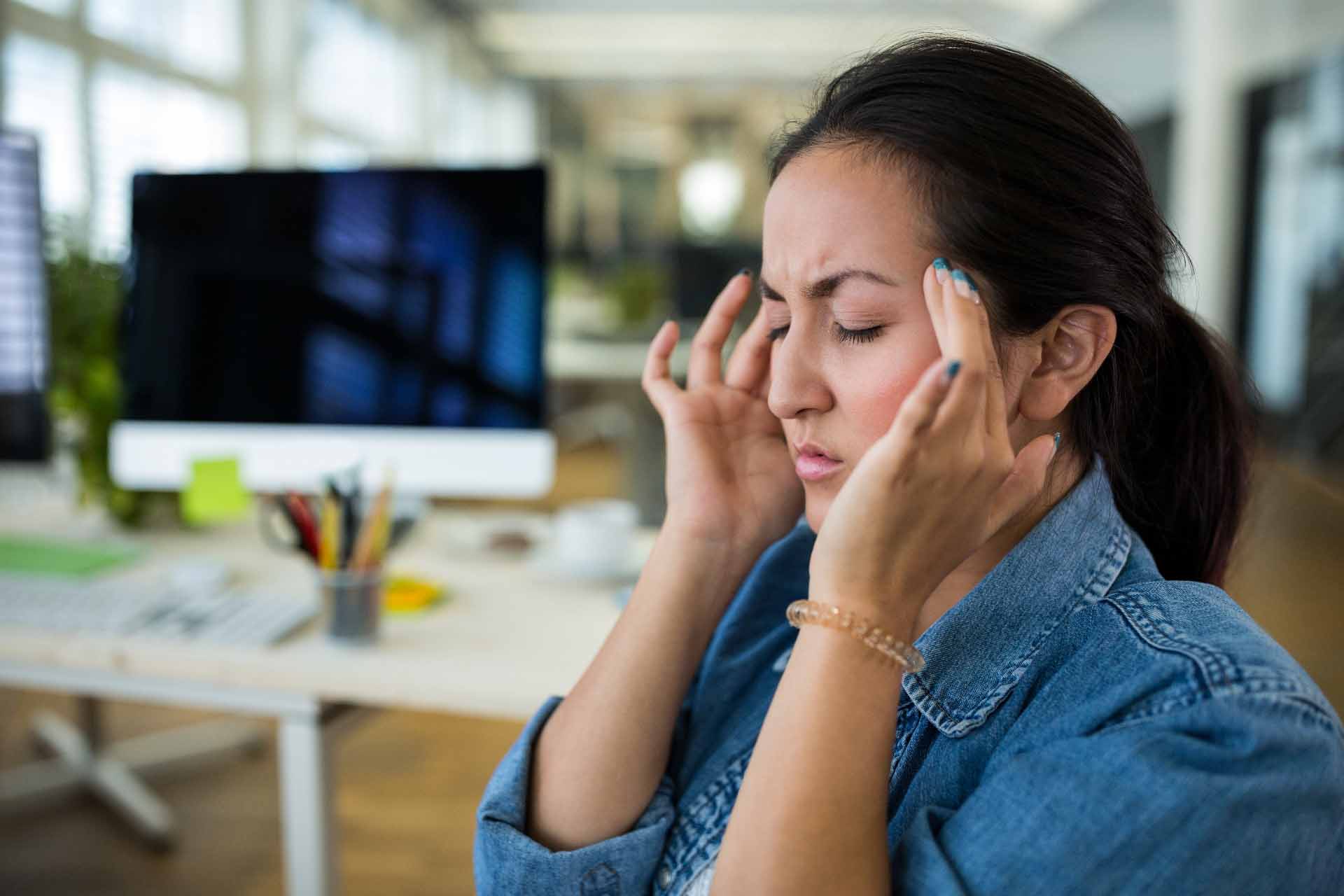

Headaches represent one of the most frequent medical complaints experienced by individuals worldwide. Understanding the exact nature of this discomfort helps you make informed decisions regarding your health. The experience of head pain varies significantly from person to person, ranging from a mild ache that resolves quickly to severe pain that affects daily functioning. Many individuals experience occasional episodes that respond well to basic interventions. By learning about basic triggers and physiological responses, you can better manage your daily well-being.
What Are Headaches?
Medical professionals classify headaches into two main categories: primary and secondary. Primary headaches exist as independent conditions rather than symptoms of an underlying illness. The most frequent primary type is the tension headache, which typically presents as an aching band of pressure around the head. Migraines constitute another highly prevalent primary category. They often involve throbbing pain on one side of the head and frequently present alongside symptoms like nausea or sensitivity to light and sound. Cluster headaches represent a rarer primary type, characterized by severe, piercing pain usually located around one eye, occurring in cyclical patterns over several weeks. Secondary headaches emerge as a symptom of a separate medical issue. These can result from sinus infections. Identifying the specific category guides the approach to finding lasting relief.
What Causes Them?
The exact physiological mechanisms producing head pain remain a subject of ongoing medical research. Primary headaches can stem from problems that involve the blood vessels, muscles, and nerves of the head and neck, along with chemical activity in the brain. Various environmental and lifestyle factors frequently trigger these mechanisms, which may include:
- Elevated stress levels
- Inadequate sleep and poor posture
- Environmental stimuli such as bright lights and strong odors
For secondary types, the cause lies strictly with the underlying condition, such as sinus inflammation. Recognizing your personal triggers helps you anticipate and prevent future occurrences.
How Are They Treated?
Management strategies vary based on the specific classification and frequency of the pain. Over-the-counter pain relievers often provide effective relief for occasional, moderate episodes. For individuals experiencing frequent or severe migraines, medical providers prescribe specific medications designed to either stop an active attack or prevent future episodes from occurring. Preventive treatments involve daily medications that can stabilize brain chemistry and blood vessels. Lifestyle modifications serve as a primary defense against recurring pain. Maintaining consistent sleep schedules, practicing stress reduction techniques like meditation, and staying hydrated effectively decrease the frequency of episodes. Avoiding known dietary and environmental triggers empowers you to maintain control over your daily routines.
Seek Professional Medical Care
While most episodes resolve without long-term consequences, specific warning signs necessitate immediate evaluation by a healthcare provider. Certain symptoms and signs may include pain accompanied by fever, stiff neck, confusion, numbness, or difficulty speaking. New onset of frequent episodes in individuals over the age of fifty can also require a thorough medical evaluation. Engaging a healthcare provider facilitates the development of a safe, effective, and personalized strategy for managing long-term health. A thorough evaluation guides patients toward optimal recovery and maintains sustained well-being.