
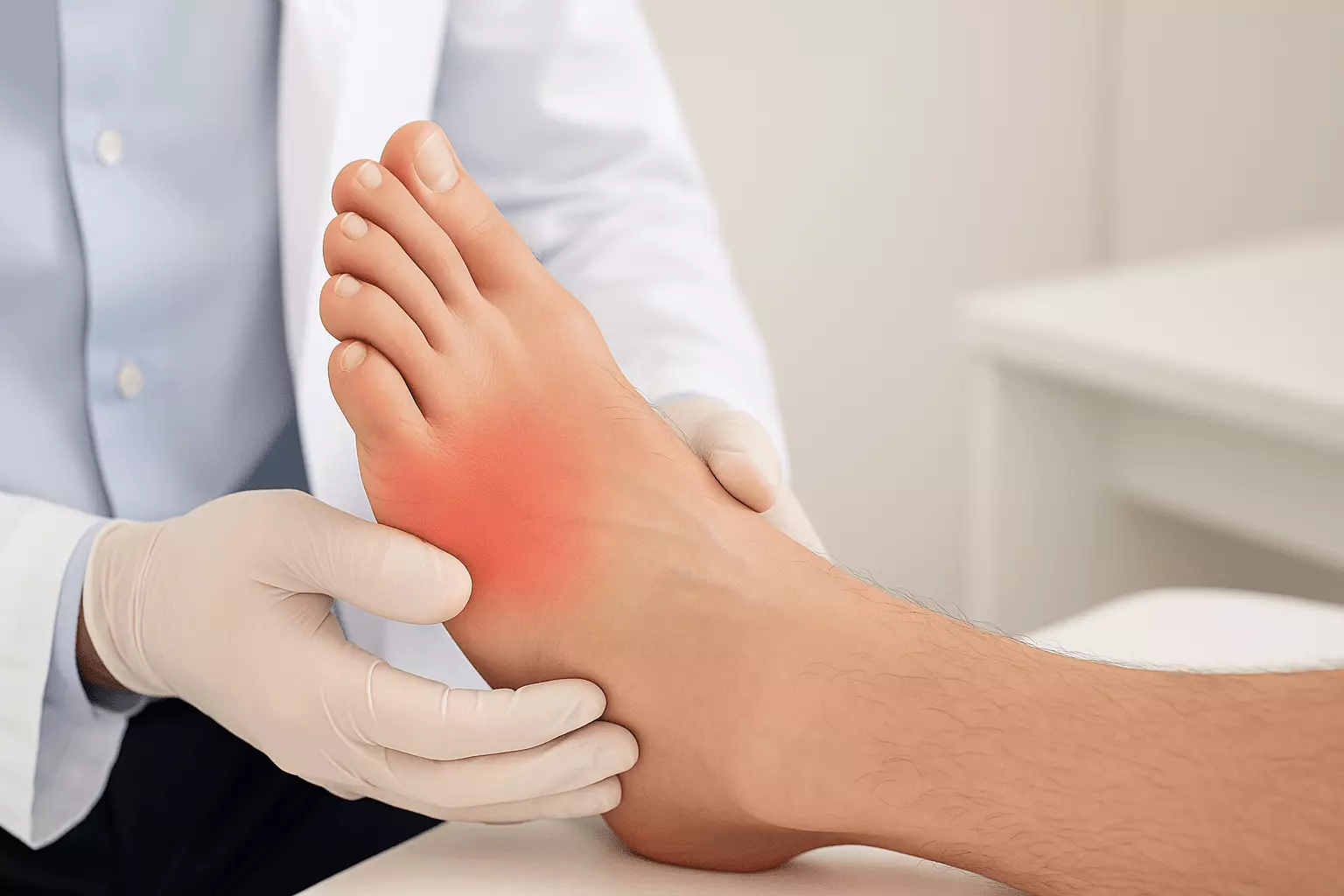

Athlete’s foot is a fungal infection affecting many people, and it is found in the skin between people’s toes. Because the active fungus thrives in damp environments, it targets sweaty feet specifically. The condition causes severe itching, and it creates painful, flaky skin patches. Here is more information about this condition:
Causes of Athlete’s Foot
When you walk barefoot in public showers, you expose your bare skin to harmful fungi. Gym locker rooms may hold excessive moisture, so dangerous fungi multiply quickly across the floors there. Sweaty workout shoes trap heat directly against the soles of your feet.
Fungal spores survive easily on damp tiles, and they attach to unprotected bare skin. Sharing used gym towels spreads the contagious fungal infection rapidly among different athletes. If someone leaves contaminated, damp socks around, the persistent fungus transfers to other susceptible people. Tight, restrictive footwear creates an ideal breeding ground for these fungal spores.
These situations may cause this condition:
- Walking barefoot in damp, public areas such as locker rooms, showers, or pool decks.
- Wearing tight, non-breathable footwear that traps moisture.
- Sharing personal items, such as towels, socks, or shoes, with others.
- Drying feet after bathing or exercising improperly, leaving them damp.
- Wearing damp or sweaty socks for extended periods.
Ways to Prevent It
To protect your delicate feet effectively, you must wear rubber shower shoes in all public bathing areas. Thorough daily foot washing keeps these invasive microscopic fungi away from your body. If you don’t dry your toes completely after washing, or the stubborn fungus returns very quickly.
Natural leather shoes breathe well, and they allow foot sweat to evaporate completely naturally. While basic cotton socks absorb some moisture, you must change them daily to stop fungal growth. Absorbent foot powder helps to reduce unwanted dampness inside your daily walking footwear.
Athlete’s foot thrives in warm, damp conditions, making it essential to keep your feet as dry as possible. You can prevent this by wearing sandals in places like gym showers and poolside areas, as this minimizes contact with surfaces that may harbor fungi. While treating athlete’s foot can take time, consistent care and good hygiene practices may make recovery much faster and more effective.
Remedies and Treatments
Trained medical professionals treat these skin infections very directly and safely. While mild cases just need basic topical creams, severe fungal infections require strong oral pills. You apply the prescribed medication daily, and the annoying symptoms gradually fade away completely.
Here are common treatment options:
- Over-the-counter antifungal foot sprays
- Prescription-strength topical healing ointments
- Daily oral antifungal medical pills
It’s helpful to start treatment as soon as symptoms appear to prevent the infection from becoming more severe or spreading further. Treating minor cases early is simple and effective, but delaying treatment can lead to complications that may require more intensive care. While some infections respond quickly to over-the-counter options, others demand a comprehensive approach combining medications and consistent hygiene practices for full recovery.
Get Treated for Athlete’s Foot
Because persistent daily itching causes severe physical discomfort, you need a proper medical foot evaluation. A trained doctor diagnoses the specific skin fungus, and they prescribe the proper healing medicine. Call our dedicated medical clinic today to schedule your comprehensive foot exam.