
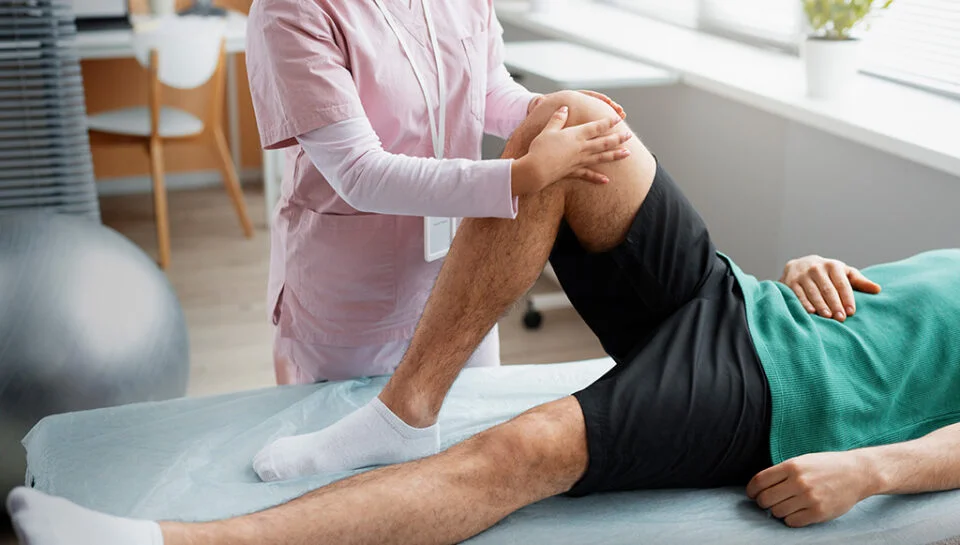

Knee pain can interfere with routine tasks, such as walking, climbing stairs, or standing. Joint discomfort arises from various anatomical and mechanical issues that occur within the musculoskeletal system. Understanding the mechanics of the knee helps individuals navigate daily routines and experience less physical stress on the affected joint.
What Causes Knee Pain?
The knee is a complex hinge joint composed of bones, ligaments, and tendons. Structural damage or wear over time often leads to knee pain. Osteoarthritis represents a leading cause of joint pain in older adults, which is characterized by the gradual deterioration of protective cartilage. When this cartilage wears down, bones rub against each other, causing friction, swelling, and stiffness. Injuries also contribute heavily to knee-related issues. Meniscus tears may occur during activities involving sudden twists. Ligament strains, such as anterior cruciate ligament (ACL) injuries, happen during high-impact sports.
Repetitive motions stress the patellar tendon and result in localized tenderness. Bursitis, the inflammation of the small fluid-filled sacs that cushion the joint, develops from prolonged kneeling or repetitive friction. Mechanical alignment problems can also place undue stress on the knee structures.
How Do You Manage It?
Physical movement, when applied correctly, maintains joint flexibility and the strength of surrounding muscles. Low-impact exercises, such as swimming and stationary cycling, can promote blood flow without subjecting the knees to harsh impacts. Strengthening the quadriceps, hamstrings, and calf muscles stabilizes the joint, which may allow the muscles to absorb shock rather than the knee itself. Alternating periods of activity with adequate rest prevents overexertion and subsequent inflammation. Applying cold packs after strenuous activity can diminish swelling, while warm compresses relax tight muscles beforehand.
How Is Pain Treated?
Medical professionals utilize multiple approaches to address persistent joint discomfort. Conservative treatments typically begin with physical therapy. Physical therapists design specific exercise regimens targeted at correcting muscle imbalances, aiming to improve the joint’s range of motion and reinforce joint stability.
Over-the-counter anti-inflammatory medications can reduce swelling and alleviate mild to moderate discomfort. For more severe cases, physicians may administer corticosteroid injections directly into the joint space to deliver localized, powerful anti-inflammatory effects. Hyaluronic acid injections serve as an alternative. These act as a lubricant to facilitate smoother joint movement. When conservative measures fail to provide relief, surgical interventions become a viable option. Assistive devices like canes or knee braces can supplement these treatments by shifting weight away from damaged joint surfaces.
Seek Pain Management Care
Pain management specialists employ comprehensive diagnostic tools, such as X-ray, magnetic resonance imaging (MRI), and ultrasound, to pinpoint the exact origin of joint distress. Seeking specialized medical care grants patients access to multidisciplinary treatment protocols. Consulting a specialized clinic early in the pain cycle can prevent compensatory injuries in the hips and lower back, and protect overall structural health. Specialized facilities offer advanced regenerative therapies, including platelet-rich plasma (PRP) treatments, which utilize the body’s natural healing mechanisms to repair degraded tissues. Establishing a relationship with a pain specialist creates a long-term strategy for preserving joint function and maintaining daily independence.