

Glaucoma is a group of eye conditions that damage the optic nerve, which transmits visual information from the eye to the brain. This damage can affect vision over time, often requiring individuals to adapt their daily routines at home and work. Early identification and management may help slow the progression of vision changes. This can support greater independence in daily life for those afflicted by vision problems.
What Is Glaucoma?
Aqueous humor is a fluid that drains through a meshwork at the angle between the iris and cornea. When this drainage is impaired, fluid accumulates and raises pressure inside the eye, causing damage to the optic nerve and permanent blind spots in vision. Open-angle glaucoma is the most common type, where the drainage angle remains open but fluid moves too slowly through a partially blocked meshwork. This leads to gradual pressure buildup. In angle-closure glaucoma, the iris blocks the drainage angle, causing a rapid and significant rise in eye pressure. As glaucoma narrows the visual field, individuals may experience challenges due to reduced peripheral vision.
How Does It Impact Vision?
Symptoms depend on the type and stage of glaucoma. Many people notice no symptoms in the early stages, as vision changes develop slowly and are often unrecognized until advanced. Open-angle glaucoma typically causes patchy blind spots in side vision. As it progresses, tunnel vision may develop, limiting sight to what is directly ahead and reducing peripheral awareness.
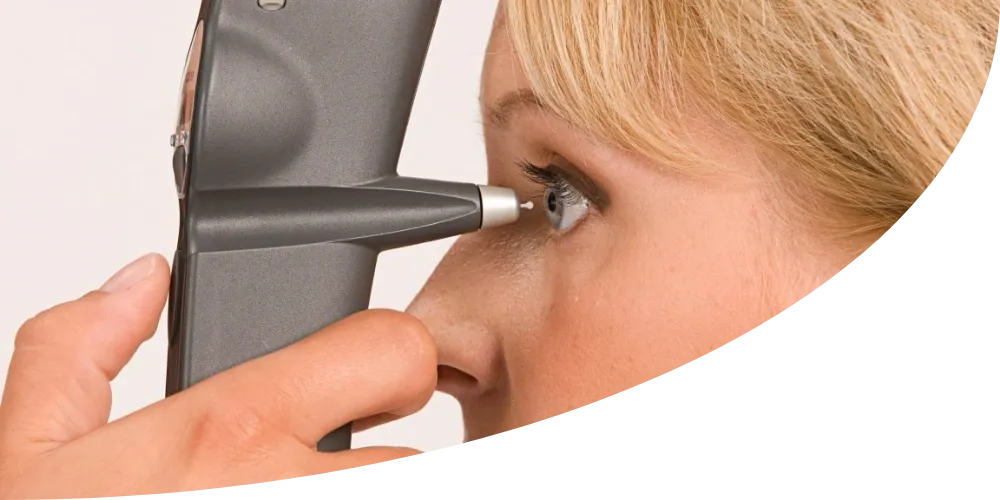
Acute angle-closure glaucoma presents with severe eye pain, nausea, vomiting, sudden blurred vision, halos around lights, and eye redness. This form requires prompt medical attention. Because early glaucoma can produce no noticeable symptoms, routine screenings are used to detect the condition. Diagnostic tests include measuring intraocular pressure and assessing the visual field of each eye.
How Is It Treated?
Treatments for glaucoma focus on lowering intraocular pressure to slow or prevent further vision loss. This is achieved with laser procedures and surgery. Laser trabeculoplasty uses a focused light beam to open blocked channels in the eye’s drainage system, helping improve fluid outflow and lower eye pressure. This procedure is typically completed in a short time and may be recommended when medications are not sufficient.
For advanced cases, surgical procedures may be recommended. A trabeculectomy creates a new channel for fluid to exit the eye, which can lower pressure. Surgeons may also implant drainage tubes to help remove fluid effectively. Minimally invasive glaucoma surgery (MIGS) offers alternatives with smaller incisions and generally faster recovery than traditional surgeries.
Consult an Eye Surgeon
Meeting with an eye surgeon provides guidance for managing glaucoma. Patients may want to bring their family medical history and a current list of medications to support accurate and safe treatment planning. An eye surgeon conducts diagnostic testing to assess the optic nerve’s health. Tests and regular eye examinations can detect early structural changes in the retina and optic nerve before vision loss occurs. Regular follow-up appointments allow surgeons to monitor glaucoma progression and adjust treatment as needed. Ongoing evaluations help fascilitate timely changes to medications or surgical plans, supporting long-term vision management.