
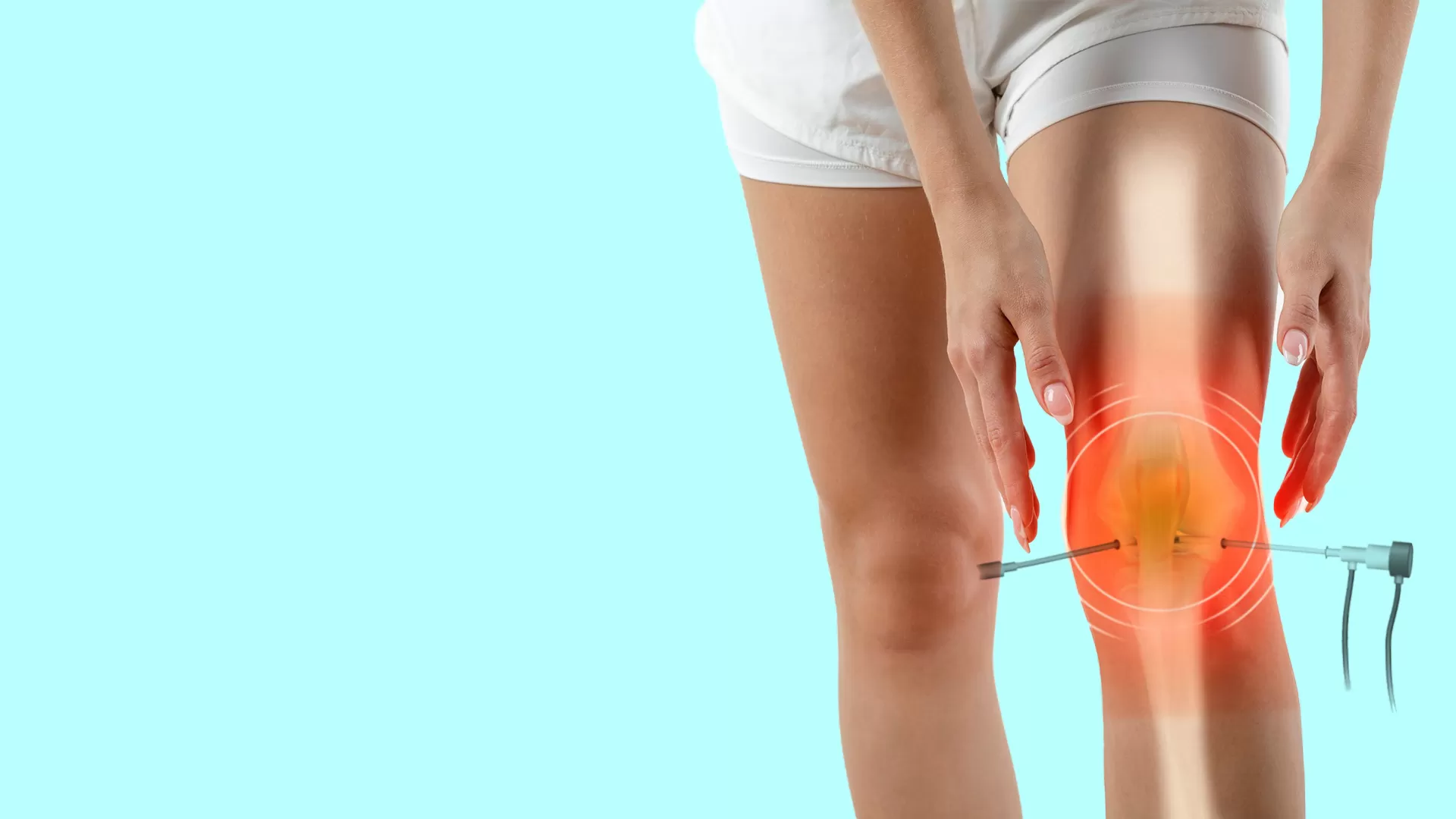

Knee arthroscopy is a minimally invasive procedure used to diagnose and treat a range of knee joint problems. It may be recommended for issues such as cartilage damage, inflammation, or persistent pain that does not improve with conservative treatment. Here is a closer look at the benefits of knee joint arthroscopy for joint problems:
Addressing Joint Problems
Knee arthroscopy is used to treat several common knee conditions. The following conditions can often be addressed through this procedure:
- Meniscus tears: The meniscus is the cartilage that cushions the knee joint. Arthroscopy allows surgeons to repair or remove damaged tissue.
- ACL and PCL tears: Ligament injuries in the knee may cause instability. Surgeons can reconstruct these ligaments using arthroscopic techniques.
- Loose bone or cartilage fragments: Small pieces of bone or cartilage floating in the joint can cause pain and swelling. Surgeons can remove this debris during knee joint arthroscopy.
- Knee arthritis: While arthroscopy does not cure arthritis, it can remove inflamed tissue. It also smooths damaged cartilage to reduce discomfort.
- Patellar instability: The kneecap can shift out of position due to injury or structural issues. Arthroscopic surgery can correct the alignment.
These are among the common knee conditions that surgeons address with this technique; your doctor will determine which approach best suits your specific needs.
Supporting Diagnosis and Treatment
Knee arthroscopy serves two key functions: diagnosis and treatment. When X-rays and MRIs do not give a complete picture, a surgeon can insert an arthroscope directly into the knee joint. This sends a live video feed to a monitor, and it gives the surgeon a detailed view of the joint’s interior.
Diagnosis and treatment can happen in the same procedure. If the surgeon identifies a repairable problem during the diagnostic phase, they make small incisions to insert surgical instruments and address the issue right away. This dual function makes knee joint arthroscopy an efficient option for patients dealing with persistent knee pain.
Exploring Procedure Benefits
Knee arthroscopy offers several benefits over traditional open knee surgery. Open surgery requires large incisions, longer hospital stays, and extended recovery periods. The following benefits make it a preferred approach for several knee conditions:
- Smaller incisions: Tiny cuts reduce the risk of infection and minimize scarring compared to open surgery.
- Less tissue damage: Surgeons work through small openings rather than cutting through large amounts of muscle and tissue.
- Shorter recovery time: Patients typically return to normal activities sooner than after open surgery.
- Lower risk of complications: Minimally invasive techniques generally carry a lower risk of blood loss, infection, and post-operative pain.
These factors make knee arthroscopy a practical and effective choice for patients with knee joint problems.
Reviewing Recovery Outcomes
After a knee arthroscopy, patients need someone to drive them home because anesthesia is used during surgery. Surgeons provide personalized aftercare instructions; patients can manage discomfort with ice packs and over-the-counter pain relievers in the days following surgery. A follow-up appointment with the surgeon is scheduled to remove stitches, review recovery progress, and plan a rehabilitation program.
Physical therapy is often part of the recovery process; it helps rebuild strength and restore range of motion. The timeline for returning to physical activity varies depending on the complexity of the procedure and the condition treated. Patients who follow their rehabilitation program and post-operative instructions often experience reduced pain and improved knee function.
Book Your Knee Arthroscopy Appointment
Knee arthroscopy is a safe and minimally invasive procedure that addresses a broad range of knee joint problems. Its ability to combine diagnosis and treatment in a single outpatient procedure makes it a practical solution for persistent knee pain. To find out if knee arthroscopy is the right option for your knee condition, contact a qualified orthopedic surgeon near you to book your appointment today.