
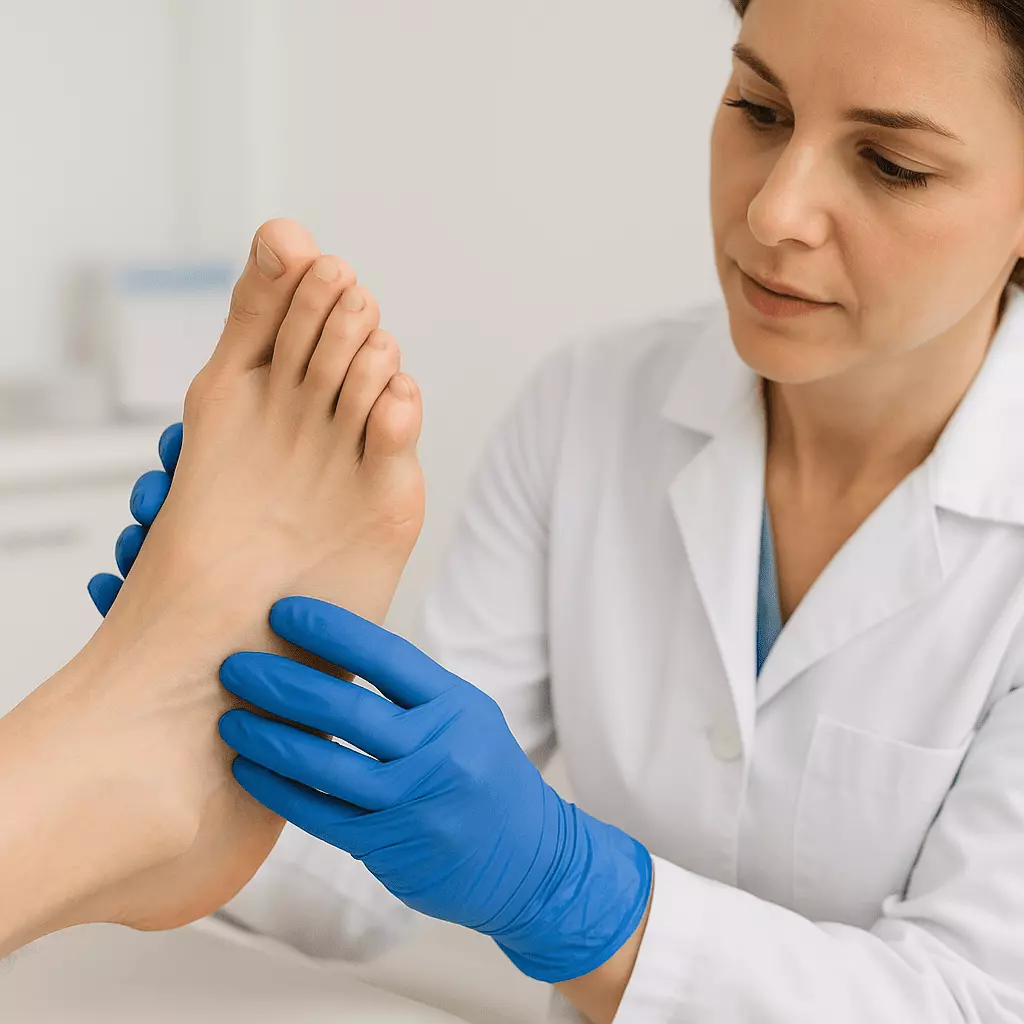

Regular foot check-ups help you monitor your daily mobility, so see podiatrists for consistent guidance at routine visits. As your foot health changes, doctors observe subtle issues and offer management strategies. Podiatrists share specialized knowledge.
Bunion Correction Methods
Bunions require careful medical observation while receiving treatment. The visible bump may enlarge, and inflammation limits your toe movement. If left unaddressed, calluses and joint tenderness may worsen. Daily activities may become more challenging. Standard treatments include wider shoes, and doctors prescribe anti-inflammatory drugs. While physical therapy is useful for some, symptoms may persist, and the bunion continues to change. Regular assessments by your podiatrist help you track changes and identify which interventions fit your needs. Podiatrists offer bunion pads or recommend targeted corticosteroid injections. When conservative methods do not work, podiatrists discuss surgery options such as Lapiplasty for joint correction. Lapiplasty 3D bunion correction is designed to address alignment and restore function. After surgery, the recovery process begins, and patients follow specific post-procedure instructions. Following the post-surgery plan aids healing. Continued follow-ups help maintain correction, and they may reduce the chance of future issues.
Heel Pain Treatments
Heel pain often relates to underlying tendon issues. Plantar fasciitis causes stiffness, and some people notice aching near the arch. When you take steps, pain appears, making walking uncomfortable. Exercise adds strain to the foot arch. Activity sometimes aggravates discomfort, and rest provides relief for some. Since shoes affect support, podiatrists evaluate footwear and suggest practical options. Regular appointments help monitor these patterns. Podiatrists assess the lower leg and review pain locations. Although symptoms differ from person to person, early conversations help identify supportive strategies. Personalized approaches improve comfort.
Doctors may recommend stretching exercises, and these strengthen the affected tendons. Following a recommended plan eases stiffness, and it can make your heel more comfortable. The right footwear supports foot structure. Your podiatrist reviews your shoes and may recommend orthopedic inserts as needed. Supportive choices align arches and improve your walking experience. Review your symptoms and routines with your podiatrist while exploring additional supportive strategies. This collaborative approach helps track changes and make timely adjustments.
Wound Care Services
Diabetic ulcers need close attention from your podiatrist. Wound cleaning and protective dressings are managed during regular visits. Ischemic ulcers also receive wound care support. Ingrown toenails cause swelling, redness, and warmth in the affected toe, and they require medical assessment. If necessary, the nail is removed and the tissue monitored for recovery. Your podiatrist checks the site and supports healthy tissue regrowth. Monitoring can help with discomfort and allow you to resume daily activities. Cleanliness supports safe wound healing. Medical ointments and dressings are used, and specialists update care as the wound changes. Ongoing visits allow adjustments to your care plan and support your foot health. Communicate with your podiatrist while helping make sure your wound care fits your needs.
See Podiatrists for Care Today
Consistent check-ups protect your feet. You understand your current condition, and your podiatrist manages the treatments. Since prevention works best, schedule your appointment and maintain your foot health. Review your customized care plan, and call the clinic for updates. If you notice new symptoms, report them.