
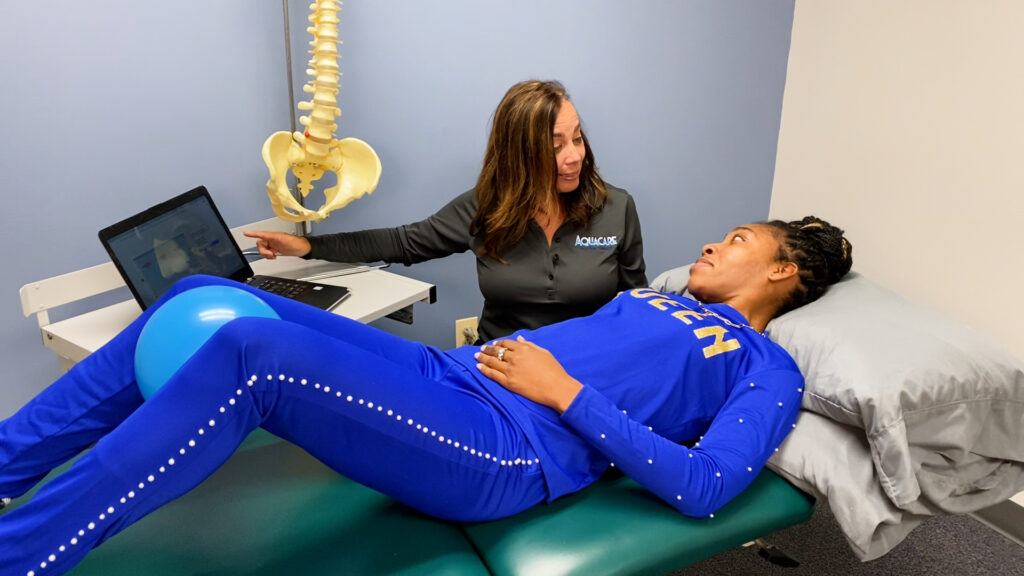

Spinal stenosis narrows your spinal canal, and it pinches your spinal nerves. The condition causes back pain. When your cartilage wears away, your body grows new bone. Treatment focuses on daily habits.
Applications at Home
Applying heat sometimes eases tightness and stiffness in your back, and this can make it easier to move. Warmth relieves aching joints for some individuals. When used carefully, heat can help reduce discomfort from daily movements.
- Use a low or medium setting when using a heating pad.
- Place a towel or cloth between the heat source and your skin.
- Limit each heat session to short periods and check your skin for redness or irritation.
- Use warm compresses before stretching or activity to make movement more comfortable.
- Check with your healthcare provider if you have sensitive skin or certain health conditions before using heat.
Because high settings can cause burns, you must use caution. Always use a low or medium setting when using a heating pad. Place a towel or cloth between the heat source and your skin to avoid injury. People with sensitive skin, reduced sensation, or certain health conditions should talk with a healthcare provider first. If you see redness or irritation on your skin, stop using heat. Using heat before exercise or at bedtime can make daily tasks easier, and it reduces some discomfort. For some, combining heat with gentle stretching enhances comfort. Heat therapy requires proper timing.
Treatments for Swelling
Ice packs sometimes reduce spinal stenosis swelling by limiting blood flow to the area, lowering inflammation and discomfort. You could use frozen peas for convenience. You may use reusable frozen gel packs. Ice is an alternative; apply it for 20 minutes at a time. Cold therapy helps ease tissue inflammation, often seen during symptom flare-ups. Using cold packs may also limit bruising, and it decreases muscle spasms after activity or strain. Always protect your skin from direct ice by wrapping the cold pack in a towel or cloth. Using ice directly on bare skin may cause injury. If you notice numbness, burning, or unusual skin color, remove the cold source right away.
Routines for Flexibility
Exercise improves some spinal flexibility. Workouts help reduce back pain for some people, but you must ask your doctor first. Low-impact activities are best, so choose exercises that do not jar your spine. Using good posture and correct form lowers your risk of injury, and it makes movement safer. Activities that focus on your core, hips, and legs help stabilize your spine during daily activities. Take breaks when needed, especially if you feel discomfort. Stop any movement that causes more pain. Start slowly and gradually increase intensity as your body grows more confident and flexible. Even brief walks at home, done several times a day, can help. Adjust your exercises based on how you feel daily, and avoid pushing through sharp pain. You can use support, like a chair or handrail, to stay steady while exercising.
Treat Spinal Stenosis Today
These options manage your symptoms. You can try heat therapy or start a gentle exercise routine. Although symptoms develop slowly, you can manage your daily pain. Write down your symptoms and discuss them at your appointment. After you try these home remedies, your doctor assesses your progress and adjusts your plan. Take charge of your health, and talk to your healthcare provider today.