
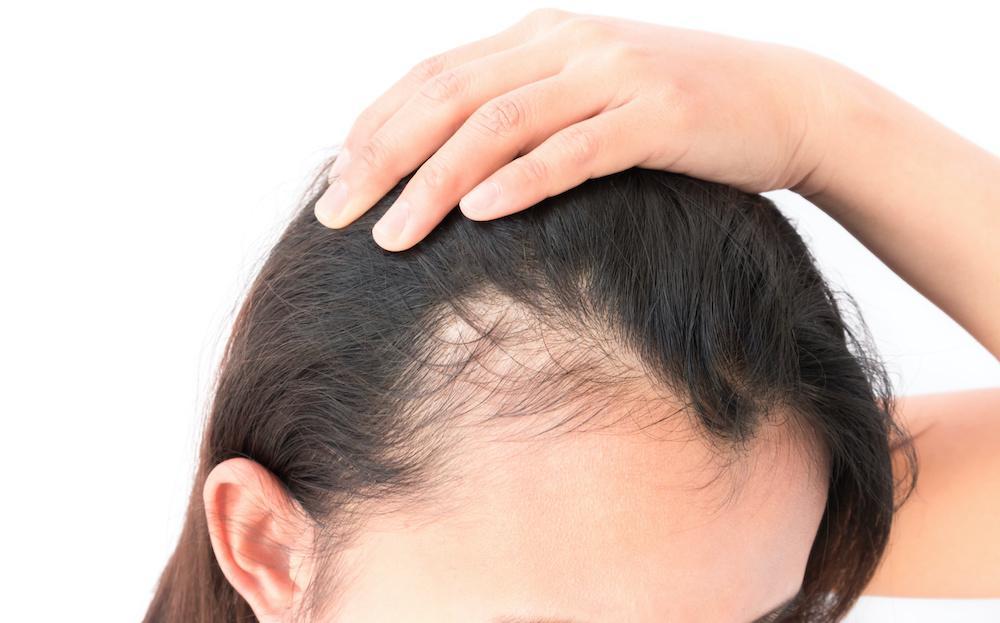

Hair loss is a condition that impacts many individuals, requiring a clear understanding of the available restoration methods. Determining the correct path involves analyzing the severity of the loss and the patient’s desired outcome. Hair replacement systems and hair growth therapies offer distinct mechanisms for addressing thinning.
What Is Hair Replacement?
Non-surgical hair replacement utilizes a specialized prosthesis to cover areas of the scalp with significant thinning or baldness. These units consist of a base material to which human or synthetic hair is attached. This construction mimics the appearance of natural growth, and it allows for a seamless blend with existing hair.
Top-tier systems require precise fitting to match the client’s head contours. Technicians customize the hair’s density, wave pattern, and color to replicate the client’s natural look or achieve a desired style. This customization process helps the system look authentic, and it provides a secure fit for the wearer.
How Does It Work?
The process begins with a comprehensive evaluation where a specialist maps the area of hair loss. A template may be created to guide the manufacturing or sizing of the base unit for the desired coverage. The scalp is then prepared with a cleansing agent, and a bonding adhesive may be applied to the perimeter or full head.
After the adhesive cures, the technician positions the system carefully to align with the natural hairline. The unit is pressed firmly onto the scalp to create a durable bond that withstands daily activities and hygiene routines. This secure attachment allows the client to swim, shower, and exercise without detachment.
The final stage involves the stylist trimming and texturizing the new hair to integrate it with the existing hair. This step is beneficial for achieving a smooth transition between the system and the growing hair. Regular follow-up appointments are for cleaning and re-bonding, and this maintenance cycle preserves the system’s longevity.
What Are the Benefits?
The primary advantage of hair replacement is the immediate restoration of a full head of hair without invasive surgery. Patients do not need to wait months for biological changes, as the aesthetic improvement is instantaneous upon application. This immediacy is beneficial for individuals seeking a rapid solution to significant hair loss.
High-quality systems offer many styling options for length, volume, and color. A client can achieve a density that may be difficult to replicate through surgical transplantation or topical treatments. This control over the final appearance allows for a result that aligns with the patient’s aesthetic preferences.
How Is Hair Growth Different?
Hair growth therapies aim to revitalize dormant follicles or prolong the growth phase of the hair cycle. These interventions require a functioning follicle to be effective, so they may not completely cover bald areas. Results from growth therapies are gradual and require strict adherence to the treatment regimen over many months. It is a long-term commitment that yields variable results depending on the individual’s physical response.
Which Is Right for You?
Determining the correct option requires assessing the stage of hair loss and the condition of the scalp. Hair replacement helps individuals with extensive baldness, alopecia areata, or scarring alopecia in which follicles are absent. It provides coverage that biological stimulants may not achieve in late-stage hair loss. Individuals seeking a specific aesthetic density without the unpredictability of medicine also benefit from replacement systems.
Consult a Hair Stylist Now
A professional consultation is an effective way to navigate these options and select the appropriate solution. Experienced stylists assess the scalp condition, discuss lifestyle needs, and demonstrate the potential results of a hair system. Schedule an appointment at a salon today.