
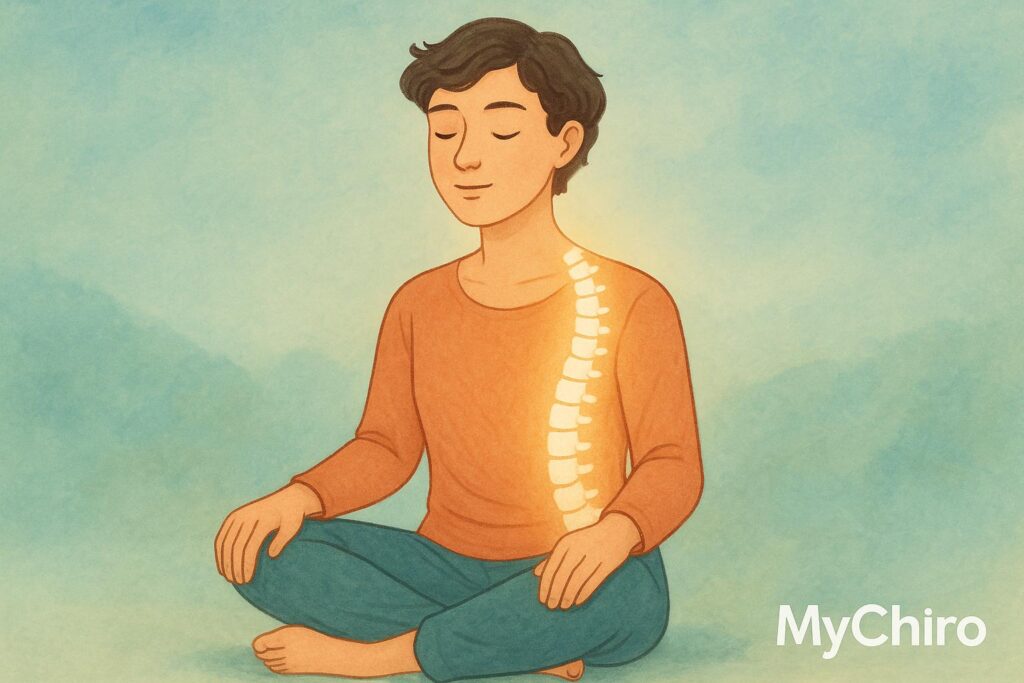

Pain management often involves more than addressing physical discomfort alone, especially when recurring pain begins to affect mood, sleep, and overall well-being. An integrative approach to pain management evaluates the physical and emotional factors that influence how pain is experienced and how recovery is supported over time. Here is a closer look at integrative pain management that balances physical and emotional well-being:
Understanding the Effects of Pain
Physical discomfort acts as a warning signal from the nervous system. If an injury occurs, nerve receptors send messages to the brain. The body reacts to these signals, and the brain processes the sensation as physical distress. Although the initial injury may heal, the nervous system sometimes continues to send signals, creating chronic discomfort.
Long-term distress can also alter brain chemistry over time. Patients often develop mood changes, and they experience fatigue during daily activities. Ongoing stress disrupts normal sleep patterns. When a person loses sleep, their body produces fewer healing hormones, and their physical recovery slows down significantly.
Using Physical Therapies
Medical professionals use several physical therapies as part of pain management to decrease bodily distress. These treatments target specific anatomical structures, and they promote cellular healing. Here are some of them:
- Physical therapy: Providers guide patients through specific exercises to strengthen muscles and improve flexibility.
- Epidural steroid injections: Doctors inject medication into the epidural space near the spinal cord to reduce nerve inflammation.
- Neuromodulation: Specialists use medical devices to alter nerve activity and block distress signals.
- Regenerative medicine: Clinics use biological materials to repair damaged tissues and joints.
These physical procedures form the basis of clinical pain treatment. Although these interventions relieve symptoms, doctors usually pair them with psychological therapies.
Providing Emotional Support
Mental health interventions operate alongside physical therapies; specialists use behavioral techniques that change how the brain interprets signals. Counseling plays a fundamental role in recovery because psychology influences physical perception. When therapists introduce cognitive strategies, patients gain control over their responses, and the nervous system relaxes.
Cognitive behavioral therapy helps patients reframe negative thoughts. Therapists teach coping mechanisms, and patients apply these strategies at home. When individuals practice these mental exercises, they lower their daily stress levels. Relaxation techniques also support the nervous system. Doctors teach deep-breathing exercises and instruct patients in muscle relaxation.
Creating Personalized Plans
A medical team designs a specific plan for each individual patient. The providers review medical history, and they conduct thorough physical examinations. After the doctors gather this information, they develop a structured and personalized program. Here are the components of this process:
- Initial assessment: The doctor reviews previous imaging scans and performs a physical exam.
- Goal setting: The medical team establishes clear targets for mobility and comfort.
- Therapy selection: Providers choose the exact physical and emotional treatments for the condition.
- Continuous monitoring: The clinic schedules follow-up appointments to track recovery and adjust the protocol.
Conditions can change over time, and the team updates the interventions as needed. Whenever a patient reaches a milestone, the doctor documents the success and sets a new target.
Schedule Your Pain Management Appointment
Integrative pain management combines physical interventions with emotional support. This medical approach treats the entire nervous system, and it delivers long-lasting results. If you experience chronic discomfort, a comprehensive pain treatment program offers a structured path to recovery. While individual treatments offer some relief, a combined protocol addresses the root causes and restores daily function. Contact a trusted pain specialist near you to schedule your appointment today.