
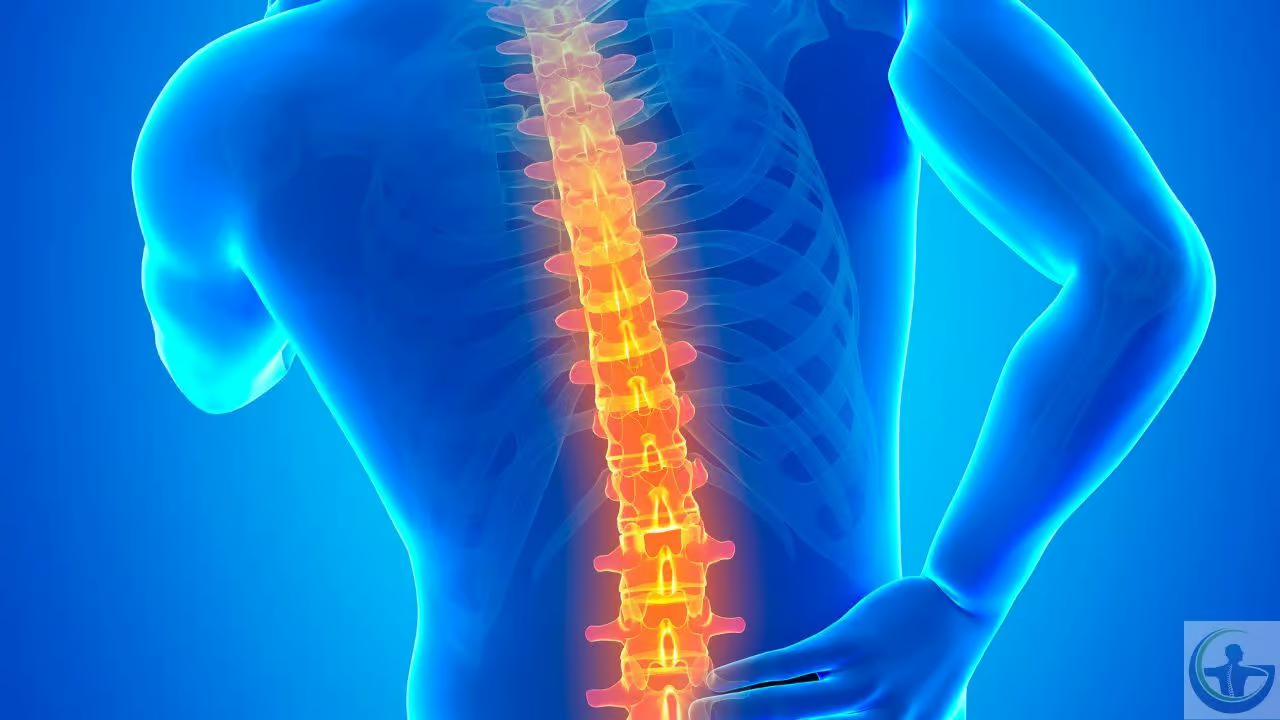

The spine is made up of vertebrae cushioned by intervertebral discs, which function as shock absorbers and contribute to flexibility. A herniated disc is a physical condition, typically characterized by the soft core of a disc moving out through a tear in its tougher outer layer. Being able to recognize this condition at an early stage can support timely evaluation by medical providers.
What Is a Herniated Disc?
Each intervertebral disc consists of a durable outer ring surrounding a soft, gel-like center. Over time, or due to injury, the outer ring may develop a tear, allowing the nucleus to bulge outward. This condition is also referred to as a slipped or ruptured disc. A herniated disc most commonly results from a gradual, age-related breakdown known as disc degeneration, although it can also be caused by acute injury. Risk increases with repetitive bending, improper lifting, or sudden movements. The displaced disc material presses on adjacent nerves or the spinal cord, which may cause characteristic functional symptoms.
What Are the Symptoms?
Early signs of a herniated disc can differ, based on the disc’s location and whether it affects a nerve root. Many cases involve the lumbar spine, but symptoms may also arise in the cervical spine. Sharp, shooting pain is commonly experienced rather than a diffuse ache. Lumbar disc herniation may produce pain radiating from the lower back through the buttocks, down the leg, and toward the foot. Cervical herniation can cause pain traveling from the neck down the shoulder and arm.
Compression of nerves by herniated material may disrupt normal sensation, which leads to numbness or a tingling feeling along the nerve’s path. This can affect specific areas of the leg, foot, arm, or hand, depending on which nerves are involved. When nerve function is impaired, affected muscles may weaken. Some people do not experience pain or symptoms and discover a herniated disc only through imaging tests performed for unrelated reasons.
How Is One Treated?
Most herniated discs are initially managed with non-surgical approaches, especially when neurological findings are mild or absent. Prescription medications, including nerve blocks and other pain-modulating agents, may be used. Injections containing anti-inflammatory medication, such as corticosteroids, can be administered near the affected nerve root. More invasive strategies may be advised if other methods do not provide adequate symptom relief or if there is evidence of worsening neurological function, such as progressive muscle weakness or signs of nerve impairment. This can include implanting devices like spinal cord stimulation systems.
Seek Professional Medical Care
Individuals experiencing persistent neck or back symptoms should consult a qualified healthcare provider or spine specialist. During the visit, the provider will perform a comprehensive neurological and physical examination, typically testing reflexes, strength, and sensation. Imaging studies, such as MRI or X-ray, may be used to identify disc herniation and assess its severity. Early recognition, detailed reporting of symptoms, and expert evaluation contribute to an appropriate diagnosis and the selection of suitable management strategies. Tailored care can help address symptoms and safeguard long-term spinal health.