
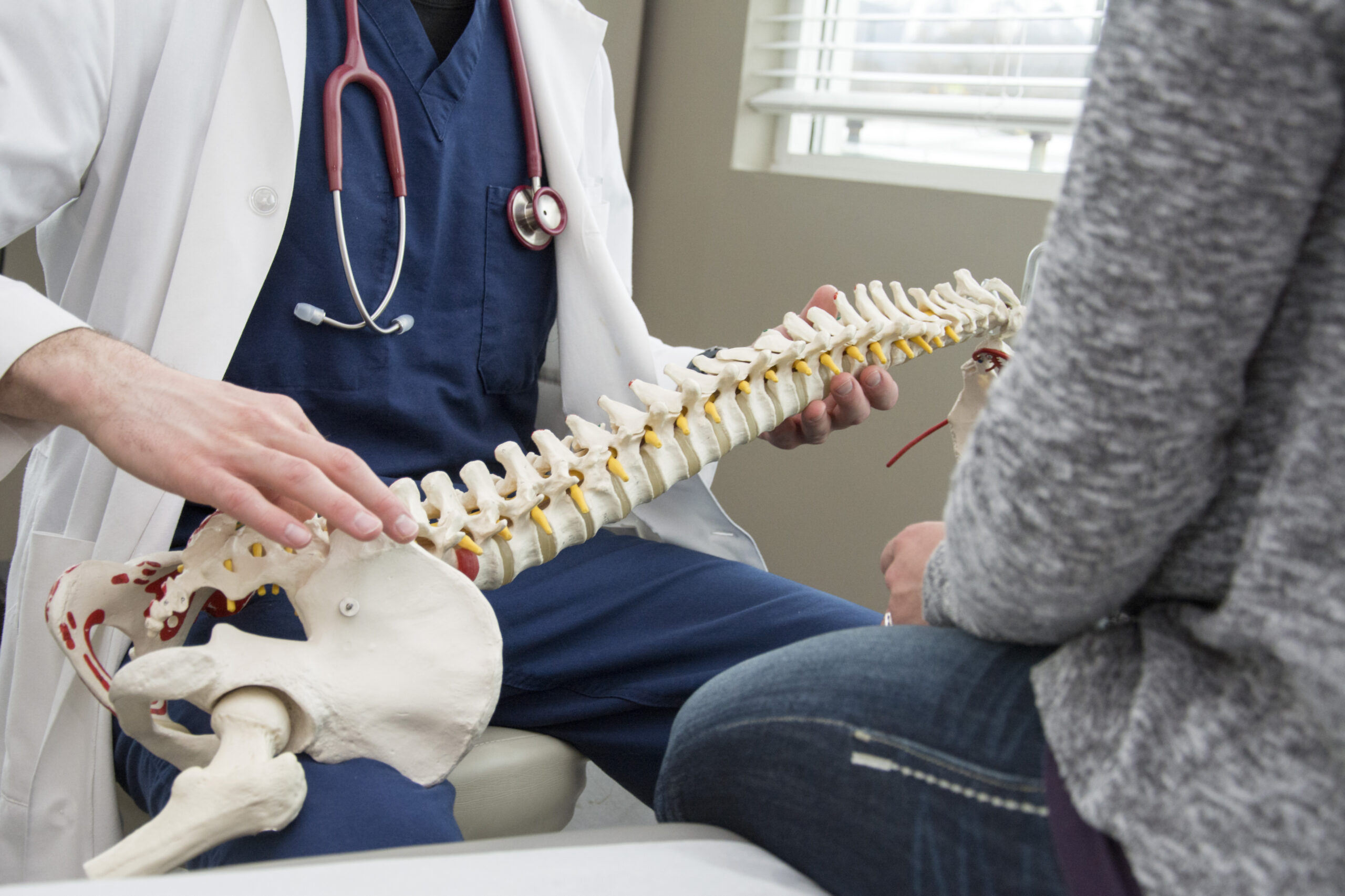

Back pain affects millions of adults and limits mobility. A spine specialist undergoes extensive medical training to understand the complex anatomy of the human back, including vertebrae, discs, nerves, and muscles. Seeking a professional evaluation for discomfort helps identify mechanical issues early. Through targeted guidance, patients learn to protect their backs during exercise, work, and household tasks. Addressing minor discomfort promptly prevents major structural complications later. By evaluating your physical condition, a practitioner builds a personalized plan designed to sustain flexibility and strength.
What Causes Back Injuries?
The human spine bears the weight of the upper body and facilitates flexibility. Various structural anomalies and lifestyle factors contribute to back discomfort. Repetitive motions and improper lifting techniques place excessive stress on the spine, leading to muscle fatigue, ligament sprains, and micro-tears in supporting tissues.
Degenerative conditions also affect spine health. Herniated discs occur when the soft inner core of a spinal disc pushes through its tough outer layer. This displacement presses against spinal nerves, which causes radiating pain or numbness. Spinal stenosis, a gradual narrowing of spaces within the spine, places heavy pressure on the spinal cord.
Traumatic events like automobile collisions or sudden falls force the spine out of alignment. Sedentary lifestyles compound these issues by weakening the abdominal and back muscles. A lack of core muscle support makes the spine absorb more impact daily, elevating injury risks.
How Can They Be Prevented?
A spine specialist may offer targeted strategies to safeguard the back against future damage. Prevention begins with a thorough biomechanical assessment. This allows the practitioner to develop a customized correction plan, aiming to prevent structural failure.
Education serves as a primary tool in injury prevention. Specialists may teach patients proper ergonomics tailored to their workplace environments. For individuals with physically demanding jobs, practitioners can provide instruction on safe lifting mechanics. Specialists may also review sleep habits to maintain neutral spinal alignment overnight.
How Are They Treated?
When a painful condition develops, a spine specialist formulates a structured treatment plan tailored strictly to the specific diagnosis. Treatment typically begins with conservative, non-surgical approaches. Physical therapy regimens guide patients through controlled movements to restore function, build strength, and relieve pain. These targeted therapies reduce localized inflammation and promote tissue healing.
Practitioners often recommend modifications to daily activities to protect the spine while it recovers. This might involve temporarily avoiding high-impact sports. In cases of persistent inflammation, a specialist may administer localized injections. Epidural steroid injections deliver medication directly to the affected anatomical area. This aims to provide pain relief and allow the patient to participate in physical rehabilitation.
If conservative measures do not yield sufficient relief, the specialist evaluates the potential need for surgical intervention. Modern spine surgery utilizes minimally invasive techniques whenever medically appropriate. Certain procedures aim to decompress pinched nerves and decompress the spinal canal. The specialist guides the patient through every phase, from the initial consultation to post-operative rehabilitation.
Consult a Spine Specialist
Addressing spinal health proactively preserves long-term mobility and maintains one’s quality of life. If you experience persistent discomfort or radiating pain, scheduling a professional evaluation provides clarity and direction. A comprehensive assessment arms you with the medical knowledge and physical tools needed to protect your back. Reach out to a qualified professional to discuss your symptoms, review your lifestyle habits, and build a personalized strategy for a healthy spine.