
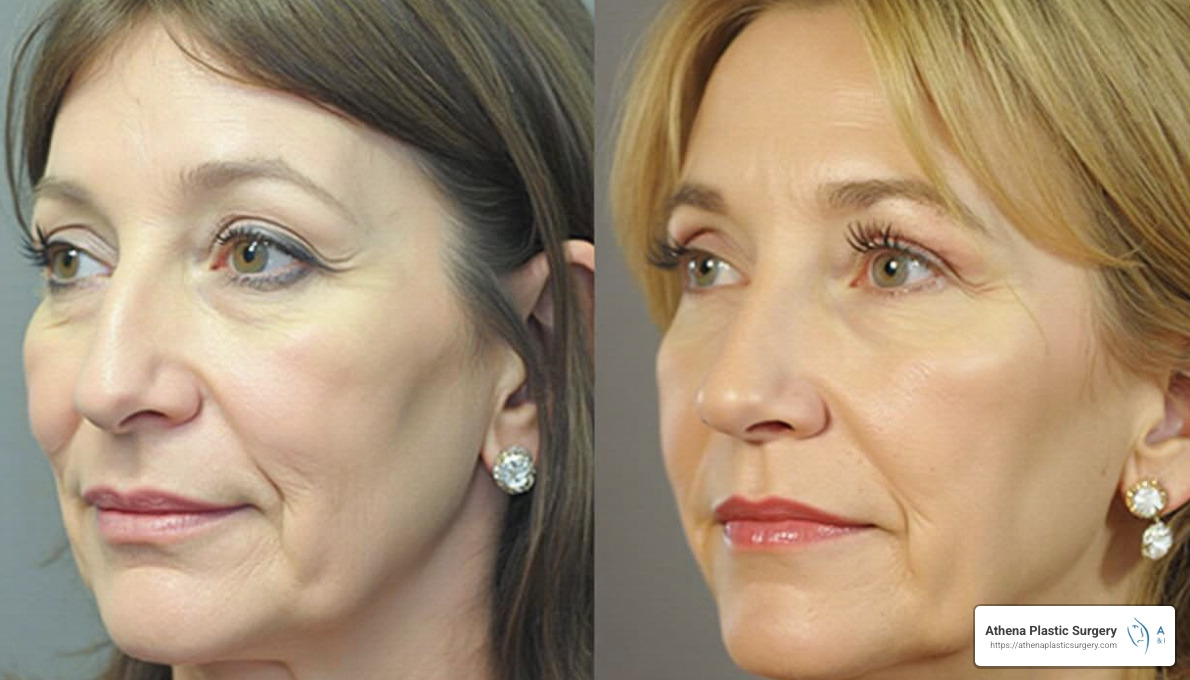

Plastic surgery involves specific medical procedures, and these help to reconstruct or physically alter the body. Many patients undergo these detailed operations, and skilled surgeons utilize highly advanced techniques. Even though surgical tools are improving, individual bodies respond uniquely to each procedure. Here are some of the factors that influence the success of plastic surgery procedures:
Biological Factors
A patient has a unique genetic makeup, and this underlying biology influences scar formation. Certain individuals may develop much thicker scars after experiencing standard medical skin incisions. While surgeons use precise suturing techniques, genetics largely impact the final skin appearance. Natural biological age directly impacts skin elasticity during the physical healing process.
If a person has underlying health conditions, their body faces additional hurdles in postoperative recovery. Medical professionals thoroughly review detailed patient health histories before scheduling any complex physical procedures. Untreated diabetes slows down natural wound healing, and high blood pressure adds surgical bleeding risks simultaneously.
Daily Lifestyle
Daily physical habits directly affect healing timelines after plastic surgery, and proper nutrition greatly influences the speed of tissue recovery. When a patient consumes a well-balanced diet, their body repairs surgical incisions with much greater efficiency. Steady daily water intake supports basic cell regeneration during the entire postoperative recovery phase.
While healthy food provides completely necessary fuel, smoking tobacco restricts oxygen delivery to healing bodily tissues. Nicotine may cause severe blood vessel issues. Surgeons command patients to stop smoking entirely, or dangerous tissue death rapidly occurs after the surgery. Tobacco use drastically multiplies the risk of severe post-surgical bodily complications.
Heavy alcohol consumption increases the risk of unexpected bleeding during and immediately after the medical operation. Doctors typically advise complete alcohol abstinence, and patients must follow this rule carefully for optimal safety. Because alcohol thoroughly thins the human bloodstream, individuals avoid all spirits before their scheduled surgery.
Realistic Expectations
When patients understand the strict physical limits, they handle the final medical results with objective clarity. Surgery successfully alters existing physical features, but it never creates absolute physical perfection. If a person discusses options with a qualified surgeon, they receive balanced information about what changes are realistically possible, and this knowledge helps them prepare for every outcome.
Postoperative Care
Active participation in follow-up appointments creates opportunities to address healing issues, and these visits support stable recovery. Patients monitor their surgical sites daily, which helps them spot early warning signs such as redness or unusual swelling. Simple steps taken at home support safer results and steadier healing.
Some practical actions to help recovery include:
- Keeping incisions clean and dry
- Avoiding strenuous activities
- Reporting any unusual symptoms to your doctor
Strictly following the given instructions shortens the healing timeline and reduces avoidable risks. Because every surgery involves recovery challenges, the right approach at home often influences how smoothly you move forward after the procedure.
Schedule Plastic Surgery Today
Plastic surgery outcomes depend on clear preparation, sound health management, and thoughtful aftercare. Always work with a qualified medical team open to questions, since their guidance will support your recovery. If you’re ready to explore your options, reach out and schedule a consultation with a trusted provider.