
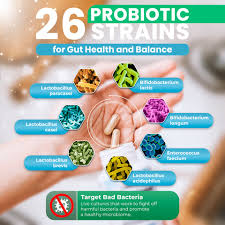

Digestive health plays a key role in overall well-being, with many people experiencing digestive issues at some point in their lives. Probiotics and prebiotics help support a healthier gut, and understanding how they work can guide better health decisions. Here is more information on what digestive health is, what affects it, and how probiotics and prebiotics can help:
What Is Digestive Health?
Digestive health refers to how well your gastrointestinal (GI) system breaks down food, absorbs nutrients, and eliminates waste. A well-functioning digestive system supports energy levels, immune function, and overall physical health. The gut houses microorganisms collectively known as the gut microbiome, and maintaining a healthy balance among them is central to digestive health.
What Affects It?
Several factors disrupt digestive health, including diet, medications, and underlying medical conditions. A diet low in fiber and high in processed foods can negatively affect the gut microbiome, and it reduces the diversity of beneficial bacteria. Antibiotics, while sometimes medically necessary, can also alter gut bacteria by eliminating both harmful and beneficial microorganisms. Lifestyle habits such as physical activity levels and sleep quality also influence how well your digestive system functions.
What Are Probiotics and Prebiotics?
Probiotics are live microorganisms, primarily bacteria and some yeasts, that, when consumed in adequate amounts, may benefit the host’s health. They are found in fermented foods like yogurt, kefir, kimchi, and sauerkraut, as well as in dietary supplements. Different strains of probiotics have different effects, so not all probiotic products work the same way.
Prebiotics are non-digestible dietary fibers that serve as food for beneficial gut bacteria. They are naturally found in foods like garlic, onions, bananas, and whole grains, and they help stimulate the growth and activity of healthy microorganisms in the colon. Probiotics and prebiotics work in a complementary way to support a balanced gut microbiome.
What Are Their Benefits?
Probiotics may help reduce symptoms associated with IBS, antibiotic-associated diarrhea, and certain inflammatory bowel conditions. They may also support immune function, as a significant portion of the immune system is closely connected to the gut. The specific benefits depend on the strains used and the individual’s health status.
Prebiotics nourish the beneficial bacteria already present in your gut, and they help them thrive and outcompete harmful microorganisms. A diet rich in prebiotic foods can improve bowel regularity, reduce inflammation, and enhance gut barrier function. Combining both prebiotics and probiotics offers more comprehensive support for digestive health.
How Can a Gastroenterologist Help?
A gastroenterologist specializes in diagnosing and treating digestive tract conditions, and they can provide personalized guidance on managing gut health. If you experience persistent symptoms such as bloating, abdominal pain, irregular bowel habits, or unexplained weight loss, a gastroenterologist will conduct the appropriate evaluations to identify the cause. A gastroenterologist may also advise on which probiotic strains or prebiotic supplements are appropriate for your specific condition.
Consult a Gastroenterologist Today
Probiotics and prebiotics play a supportive role in digestive health, but they are more appropriate as part of a broader, personalized care plan. A medical professional can help you learn more about what affects your digestive system. If you are experiencing symptoms or want to take a proactive approach to your gut health, schedule a consultation with a gastroenterologist for guidance.