
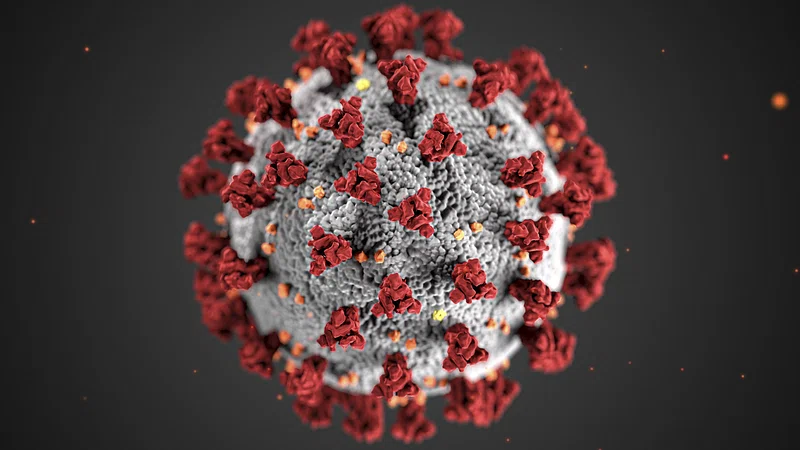

COVID-19 presents increased concerns for immunocompromised patients. Because immune systems are weaker, monitor health changes and take steps to reduce potential risks. Families need to be mindful of symptoms and implement extra safety measures.
Symptoms of the Virus
Patients may experience early warning signs that are easy to overlook. Some people notice a fever, which is one of the signs of illness. Other indicators include chills that disrupt comfort and sleep, so monitor temperatures regularly if symptoms develop. A sore throat may develop with a headache or runny nose, all common early symptoms. A cough may persist, and it makes breathing uncomfortable. Shortness of breath can be serious, so seek medical help if breathing becomes difficult. Muscle aches may affect one or several areas, making movement uncomfortable. Covid symptoms may not appear all at once, so keeping written notes of any changes is helpful. If you are caring for someone with a weakened immune system, check in several times a day. Report new or worsening signs to a healthcare provider.
Strategies for Covid Prevention
Preventive measures may limit viral COVID transmission. Wash your hands with soap and water to remove germs, especially after being in public or touching shared objects. Wash your hands after using the restroom, before preparing food, or after coughing and sneezing. Encourage children to do the same to lower the risk for everyone at home. Use alcohol-based hand sanitizer when soap and water are not available. Choose outdoor gatherings when possible, and remind visitors to keep distance from immunocompromised family members.
When in public areas, stay alert at all times. Avoid touching your mouth, nose, and eyes, as hands collect germs throughout the day. If you touch your face, use a tissue and wash your hands both before and after. Carry tissues or wipes to cover sneezes or coughs, rather than using your hands. This practice keeps germs contained and it reduces the risk of spreading them to yourself or others.
Steps for Environmental Safety
A clean environment supports vulnerable family members, especially in homes with individuals at higher risk. Clean surfaces daily, focusing on high traffic areas such as door handles to limit virus spread. When disinfecting, use products as directed on the labels and follow safety instructions. High-traffic spaces like kitchens and bathrooms need attention when they are used more. Wipe down shared tables and counters after every meal, and reduce surface contact with germs. Whenever you leave the house sick, wear a face covering or mask in public places. Wearing a mask is most effective in crowded or shared spaces, so remind others to do the same. If your mask becomes damp or dirty, replace it with a clean one.
Book an Appointment Today
Consistent routines promote family well-being. Use this practical information as part of your daily habits to reduce risk. If you notice symptoms, contact a healthcare provider immediately for further guidance. Commit to regular cleaning, hygiene practices, and informed decision-making at home. Review these tips with your household and encourage everyone to take responsibility for protecting each other.