
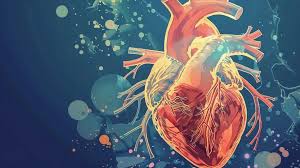

Cardiology is evolving rapidly. Doctors study heart disease, and they develop new treatments. Because research advances, you can get different outcomes. When you learn about new tools, you understand your options, and you navigate treatments confidently.
Diagnostics for Heart Conditions
Proper diagnosis directs your specific heart care. Doctors use EKGs to check your heart’s electrical signals, while stress tests help reveal symptoms that appear during exercise. If you have chest pain or palpitations, these tests can find the cause. A cardiology ultrasound uses sound waves to show blood flow in leg arteries, and it helps detect blockages or narrowing. These tests are noninvasive, causing minimal discomfort, and provide useful details for your care.
A carotid ultrasound checks blood flow in your neck arteries. When you experience symptoms, early testing helps prevent severe complications later. Accurate diagnostics build the foundation for your treatment, so your doctor can identify problems as early as possible. Modern equipment detects minor abnormalities promptly, which allows for timely intervention. Specialists review your test results and explain them in a way you understand to help you move forward. As diagnostic tools improve over time, providers may detect heart problems earlier and start therapy sooner.
Treatments for Acute Events
A heart attack needs immediate medical intervention, so recognize signs early, like chest pain, shortness of breath, nausea, or pain. In the emergency room, doctors may provide supplemental oxygen to improve breathing and administer anticoagulants to help prevent further blockages. When a blockage occurs in a coronary artery, doctors may use percutaneous coronary intervention (PCI) to restore blood flow. If appropriate, doctors use medications to help dissolve blood clots and support circulation. Pain medications help you stay comfortable, and doctors give antiarrhythmic medications to stabilize irregular heart rhythms. In some situations, doctors place stents to keep blood vessels open so blood moves more freely. If you experience severe chest pain or sudden symptoms, treat it as a medical emergency and seek care immediately. Do not hesitate to get help.
Managements for Chronic Diseases
Chronic conditions require ongoing medical attention, and your healthcare team carefully monitors them. Congestive heart failure can cause swelling in your legs, ankles, or abdomen. Your provider may also suggest lifestyle adjustments, such as reducing salt intake and following a heart-healthy eating plan. High blood pressure may steadily weaken blood vessels, raising your risk for complications. Regular measurements and medications are necessary. Diabetes damages the small blood vessels and nerves that support your heart, making good blood sugar control a key part of your care. In some cases, your doctor implants a pacemaker, a small device under the skin to control abnormal heart rhythms. This maintains a steady rhythm, especially if medication alone is ineffective. Take all prescribed medications. Doctors use anticoagulation management for people at risk of blood clots; they monitor levels closely to reduce the chance of stroke or other complications.
See Your Cardiology Doctor Today
With advancements in cardiology, prioritize your health today. Note any new symptoms and contact your cardiologist without delay. Ask your doctor about new treatments they offer. Schedule your appointment and take an active role in protecting your heart.