
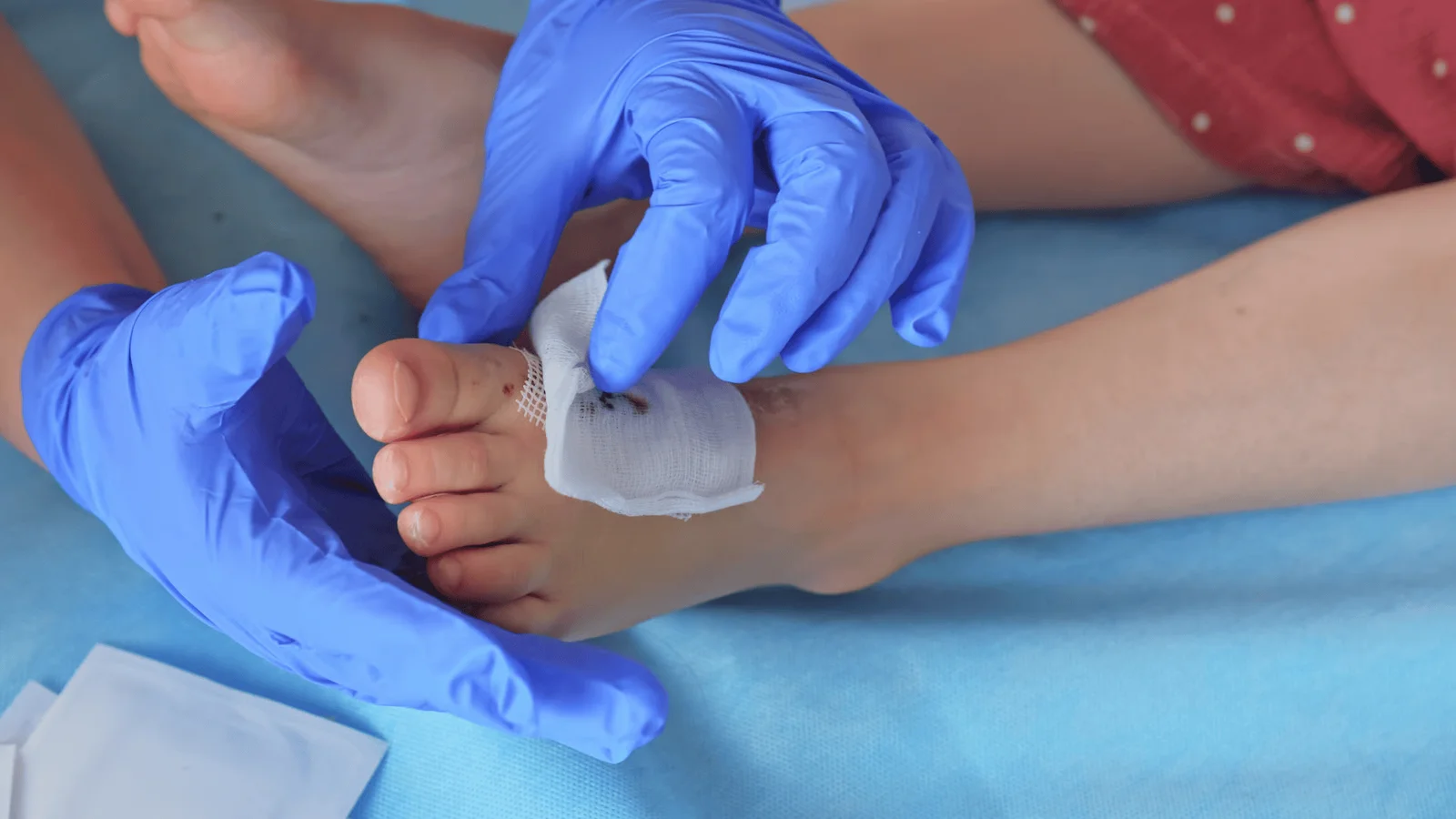

Effective wound care plays a key role in diabetes management, where even minor injuries can lead to serious complications if left untreated. Individuals living with diabetes often face slower healing times and a higher risk of infection. This makes timely and specialized wound care necessary to preserve overall health and prevent more severe outcomes. Incorporating proper wound care practices into a comprehensive treatment plan can improve healing and reduce the likelihood of complications.
1. Accelerating Healing And Reducing Infection
Proper wound care helps sores and abrasions heal faster, which is necessary when you live with diabetes. Your body needs extra support to repair skin damage, so specialized dressings are used to create an ideal environment for cellular repair. A healthcare provider will clean the area and apply treatments to lower the chance of bacterial growth. This gives your body the resources it needs to heal effectively.
Reducing the risk of infection is a key part of your daily foot care routine because open sores can allow harmful bacteria to enter your system. Effective wound cleaning and dressing keep these invaders out, protecting your overall health while giving your skin time to heal. Following a strict cleaning schedule is a powerful way to prevent a minor scrape from becoming a major problem.
2. Preventing Serious Complications
Timely wound treatment stops minor issues from becoming severe health problems. If you have an unmanaged foot ulcer, you might face outcomes requiring extensive medical intervention, so seeking prompt professional attention is key. A podiatrist can evaluate the sore and determine the most effective course of action. Act quickly to take control of your wellbeing and prevent serious complications.
Regular monitoring is a powerful part of your prevention strategy. You should keep a daily log of any changes in your skin, and if you notice a red spot, you can act immediately. Taking quick action protects your mobility. Keep detailed notes to help your doctor understand your situation and make your visits more effective.
3. Improving Circulation And Tissue Health
Good blood flow delivers oxygen to damaged tissues, but diabetes can affect this process. Your body may struggle to repair itself naturally, so wound care often involves strategies to relieve pressure. Removing pressure encourages better blood flow, helping the surrounding skin stay healthy and delivering the nutrients needed to rebuild damaged cells.
Maintaining tissue health requires a holistic approach to your well-being. Specialists might suggest specific footwear to protect your feet from daily friction. These shoes distribute your weight evenly and reduce strain on vulnerable spots as you walk. Wearing the right shoes supports your tissue health and makes walking more comfortable.
4. Strengthening Long-Term Diabetes Control
Integrating wound care into your life builds a stronger foundation for diabetes management, and it makes you more aware of how your daily choices affect your health. This awareness encourages you to maintain stable blood sugar levels, which supports natural healing and helps you feel more energetic. Every positive habit you build contributes to your long-term wellness.
Building a relationship with a trusted podiatrist provides ongoing professional support and allows them to offer advice tailored to your needs and lifestyle. You will learn new ways to protect your feet and be assured that a professional monitors your progress. You feel confident in your care since regular check-ins keep your health plan on track.
Schedule Personalized Wound Care Assessment
Understanding the benefits of wound care empowers you to actively participate in your well-being. You can protect your feet through daily observation and proper hygiene. Minor injuries require professional wound management to heal correctly without delay. Taking these proactive steps keeps you active, and it supports your overall physical wellness.
Do not wait for a small sore to become a larger physical obstacle. You should reach out to a qualified foot specialist for a thorough evaluation. They will help make sure your feet remain healthy by assessing your condition and offering personalized treatment plans.