

Sleep apnea is a common yet potentially serious sleep disorder characterized by repeated interruptions in breathing during sleep, often leading to reduced oxygen levels and fragmented rest. Left untreated, it can contribute to a range of health concerns, including cardiovascular issues, daytime fatigue, and impaired cognitive function. Fortunately, advancements in medical care have introduced a variety of treatment options tailored to the severity and underlying causes of the condition.
Continuous Positive Airway Pressure (CPAP) Therapy
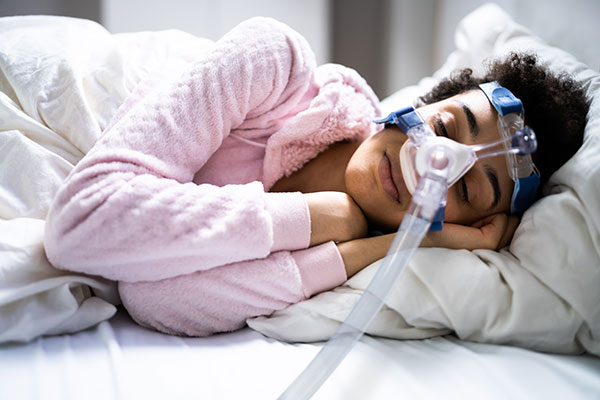
Continuous Positive Airway Pressure (CPAP) is a highly effective method for managing sleep apnea. This therapy uses a machine that delivers a steady stream of air through a mask, and this gentle pressure keeps your airway open, preventing your throat from collapsing. While many patients find this approach fundamental to achieving restful sleep, using a CPAP machine requires an adjustment period.
Proper maintenance of your CPAP equipment is key to its long-term success. You must clean the mask and hoses regularly to prevent bacterial growth, and you should replace the filters on schedule to maintain air quality. This consistent care protects the machine’s internal motor. This makes sure your therapy remains a productive part of your nightly routine.
Oral Appliances and Dental Solutions
If you struggle with CPAP machines, oral appliances offer a practical alternative for treating your snoring. These custom-made dental devices resemble mouthguards and gently shift your jaw forward to expand your airway, which promotes steadier breathing. The dentists use advanced technology to design a device that fits your mouth comfortably, so you can count on their team for comprehensive support.
Oral appliances are also convenient, especially for frequent travelers. Unlike bulky CPAP machines, these small devices fit easily into a toiletry bag, and they don’t require electricity or distilled water. This portability makes dental solutions a helpful option for busy individuals who need a simple yet effective treatment. Their ease of use makes sure you can maintain your therapy on the go, making them a reliable part of your routine.
Lifestyle-Based Treatment Approaches
Making simple lifestyle changes can play a key role in your overall therapy plan. Weight management is necessary because excess neck tissue can restrict airflow; regular physical activity helps maintain a healthy weight and good circulation. These practical adjustments often complement other treatments to yield productive results.
Adopting other healthy habits can also create a better environment for sleep. For instance, you should reduce alcohol intake before bed because alcohol acts as a muscle relaxant, worsening the collapse of your throat tissues. Since heavy meals can cause digestive issues that disrupt rest, you should also avoid eating them late in the evening. By making these mindful choices, you support more consistent and uninterrupted sleep.
Surgical and Advanced Medical Interventions
If lifestyle changes don’t resolve the issue, your doctor might suggest an advanced medical procedure. Surgical options that focus on widening your airways can provide a permanent solution. For instance, a surgeon might remove throat tissue or adjust your jaw structure to clear the airway. Another effective approach is an implantable nerve stimulator. This device monitors your breathing and sends mild signals to keep your airway open, allowing you to breathe smoothly.
Recovery times for these interventions vary depending on the specific procedure. While some minor surgeries allow a quick return to normal activities, more complex jaw surgeries require a longer healing period and strict dietary adjustments. Because the recovery phase is key, you must prepare adequately to achieve the most effective possible outcome. Proper preparation and following medical advice are key to a successful recovery and better sleep.
Schedule Your Sleep Apnea Consultation
Taking action against sleep apnea is a key step toward improving your daily life. Unmanaged interrupted breathing during sleep takes a toll on your body over time. Do not delay seeking professional guidance for your snoring disorder. Dedicated professionals will evaluate your situation, and they will recommend a comprehensive therapy plan tailored to you. Book a consultation with a clinic in your city to get started with your personalized care plan.