

Knee pain can affect mobility, limit daily activity, and reduce overall well-being for people of all ages. As treatment options continue to evolve, patients now have access to a wider range of approaches to address both symptoms and underlying causes. Here’s an overview of the latest treatments for knee joint pain:
Knee Pain Medications
Doctors frequently prescribe oral medications to reduce knee pain, and they also use injections for targeted localized relief. These pharmacological interventions are fundamental components of a comprehensive treatment plan. Although over-the-counter pills reduce mild swelling, corticosteroid injections provide therapeutic relief for severe knee joint pain.
Doctors evaluate the type of joint pain, and they match the medication directly to the clinical diagnosis. Nonsteroidal anti-inflammatory drugs are key initial treatments often used for soft tissue irritation. If these prove ineffective, practitioners make sure they explore localized injectable alternatives.
Devices for Joint Support
Orthopedic specialists recommend supportive devices to align the leg, and these tools reduce the load on the skeletal system. Custom orthotics are key tools for daily walking mechanics. When individuals wear specialized functional braces, they distribute their body weight away from the damaged joint.
Structural aids can prevent further physical deterioration, and they promote optimal alignment during physical activity. These tools are fundamental for active individuals with knee pain. Whenever patients wear prescribed orthotic inserts, they minimize harmful bone-on-bone friction within the joint cavity.
Orthotists design various supportive devices to assist with daily mobility, and they customize them for each patient. Proper device selection is a fundamental requirement. After specialists analyze a patient’s movement patterns, they provide the specific equipment the patient needs.
Recovery and Stabilization Methods
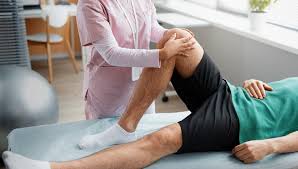
Physical therapists design targeted exercise routines, and these programs can strengthen the muscles surrounding the knee. Consistent physical therapy is fundamental for long-term joint health. While initial therapeutic exercises start slowly, therapists gradually increase the physical intensity to build enduring muscular support. Experts may recommend aquatic therapy as a helpful method to reduce joint impact during rehabilitation. Patients may also perform progressive resistance training, which can build the muscles that support the knee.
Limits of Conservative Care
Certain orthopedic conditions deteriorate past the point of basic rehabilitation, and surgeons may need to intervene to restore joint function. Surgical intervention becomes a key step for advanced osteoarthritis cases. If non-invasive physical therapies fail to provide measurable relief, specialists may recommend total or partial joint replacement procedures.
Pre-operative planning determines the exact specifications of the artificial joint, and medical imaging technologies guide the precise selection of the implant. Accurate prosthetic component sizing is fundamental for a successful operation. After the surgical team finalizes the anatomical plan, they make sure all physical parameters match the selected prosthesis.
Surgeons remove damaged bone tissue and insert durable prosthetic components during these procedures. Post-operative patients must make sure they follow strict rehabilitation protocols. Although surgical recovery requires significant physical effort, modern operative techniques often provide reliable long-term outcomes.
Schedule Your Knee Pain Appointment
Proper evaluation is a fundamental requirement for effective knee pain treatment. Before you select a surgical or non-surgical intervention, you should consult a qualified orthopedic specialist. Contact a qualified orthopedic specialist near you to schedule your appointment for knee pain today.