
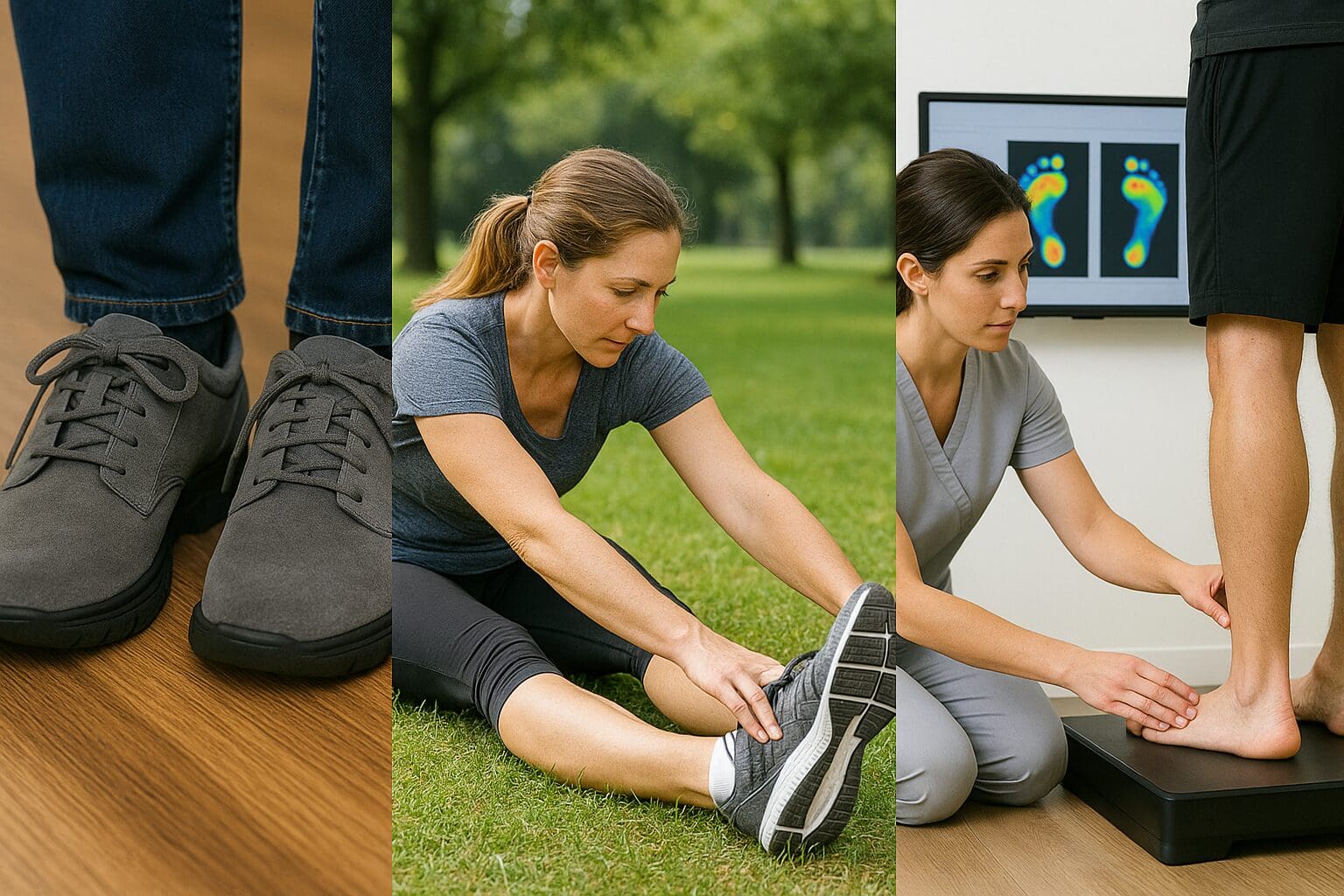

An Achilles injury can disrupt mobility, limit performance, and interfere with everyday activity, especially for people who maintain active lifestyles. Repeated strain, poor conditioning, and sudden changes in activity level can increase stress on the Achilles tendon over time. Understanding how these risk factors contribute to injury is a significant step in building safer exercise habits and protecting long-term movement. Here’s more information on how to prevent Achilles injuries in active lifestyles:
Risky Movement Patterns
Specific movement mechanics place disproportionate stress on the lower leg structures, and these patterns often cause micro-tears in the tendon fibers. Sudden acceleration creates a rapid force load that overburdens the tissue before it can fully adapt to the motion. Active individuals often transition abruptly from a resting state to high-speed sprints, and this rapid shift directly increases the risk of an Achilles injury. You should monitor your foot placement during directional changes, as improper landing mechanics can twist the ankle and strain the tendon.
Poor biomechanics during repetitive motions may also degrade the tissue over time. Overstriding during a run forces the heel to strike the ground heavily, and this impact sends sharp shockwaves straight into the calf and Achilles complex. You should adjust your gait mechanics gradually, or you may develop persistent structural weaknesses in the lower leg.
Supportive Training Habits
Implementing structured routines provides a framework for tissue resilience and helps prevent unwanted strain. You can build structural durability and prevent an Achilles injury by following these guidelines:
- Warm-up protocols: Preparing the muscles through dynamic stretching increases blood flow to the lower leg. Make sure the tissues are pliable before applying heavy loads to minimize sudden shocks.
- Gradual load progression: Increasing training volume by small increments gives the tendon time to adapt. Raising weekly running distance by a minor percentage prevents sudden tissue overload.
- Strength conditioning: Building calf muscle strength directly supports the Achilles tendon during movement. Calf raises provide a helpful base of strength, and they distribute forces more evenly across the entire leg.
Following these practices consistently can strengthen the tendon network and prevent structural breakdown.
Effective Recovery Strategies
Rest periods are a key component of physical conditioning, allowing micro-tears in the tendon to heal properly. You should schedule specific recovery days between intense workouts, or the accumulated stress will eventually degrade the tendon fibers. Active recovery techniques help maintain mobility without adding heavy resistance, thereby facilitating circulation and cellular repair.
Appropriate footwear also provides a fundamental recovery mechanism outside of active training. Wearing shoes with a slight heel lift can reduce resting tension on the Achilles tendon, thereby relieving constant pulling on the tissue. Supporting the heel properly gives the connective tissue the necessary space to rebuild itself.
Early Warning Signs
Recognizing the initial symptoms of Achilles injury prevents minor issues from becoming severe tears. Here are key signs to pay attention to:
- Morning stiffness: Experiencing tightness in the heel immediately after waking up is a primary indicator of tissue inflammation.
- Localized swelling: Fluid accumulation around the back of the ankle points to active structural damage.
- Pain after activity: A dull ache following a workout signals that the tissue cannot handle the load.
Identifying these symptoms promptly can prevent further tissue degradation and facilitate a quicker return to normal activity.
Get Help for Achilles Injury
Prompt recognition of the symptoms of an Achilles tendon injury is key to preventing further damage and facilitating recovery. Taking timely action can reduce strain on the tendon, support healing, and enable a safe return to physical activity. If you suspect an Achilles injury, contact a foot and ankle specialist near you to schedule your consultation today.