
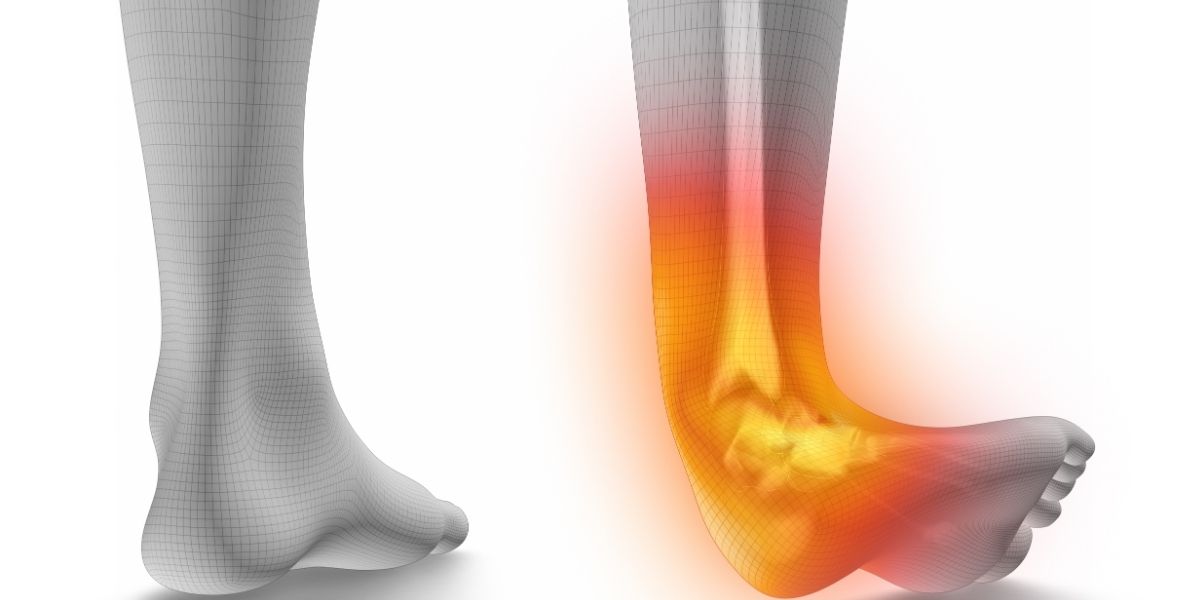

Ankle sprains are common injuries that can affect anyone. Understanding the causes of these injuries and the typical phases of rehabilitation is key to a safe and effective healing process. The recovery timeline can vary depending on the severity of the sprain, generally involving distinct stages of healing and a gradual return to activity.
What Is an Ankle Sprain?
The human body relies on ligaments to connect bones and maintain the structural integrity of joints. In the ankle, these strong, fibrous tissues keep the bones in proper alignment during movements like walking, running, and standing. A sprain happens when these tissues stretch beyond their normal limits and cause damage to the fibers.
Medical providers classify the damage of an ankle sprain into three grades. Grade 1 involves minor stretching and microscopic tearing, leading to mild tenderness. A grade 2 sprain means the ligament is partially torn, which causes moderate swelling and some joint instability. Grade 3 is a complete tear of the ligament, leading to significant bruising, severe pain with weight-bearing, and noticeable instability. Most of these events involve an inversion injury, meaning the foot rolls inward and damages the lateral ligaments on the outside of the ankle.
What Causes Them?
Ankle sprains happen when the foot twists, rolls, or turns beyond its normal range of motion. Many individuals sustain this injury during athletic pursuits, as sports that require sudden stops, jumping, or sharp changes in direction place significant stress on the lower extremities. Everyday situations also present risks. Walking on an uneven sidewalk, stepping in a hidden hole in the grass, or slipping on a staircase may force the joint to roll awkwardly. Wearing footwear that lacks adequate support can also contribute to instability. When the twisting force is particularly strong, individuals might hear a popping sound as the injury occurs.
What Does Recovery Involve?
Rehabilitation generally follows a standard approach, designed to safely restore function. The specific timeline depends entirely on the severity of the sprain. Minor injuries might require just a few weeks of recovery, while severe tears can take months of dedicated rehabilitation.
Healing and Protection
The initial phase focuses on reducing inflammation and protecting the joint from further damage. Providers typically recommend the RICE protocol: rest, ice, compression, and elevation. Resting prevents additional stress, while applying cold packs reduces swelling. A walking boot or cast can provide necessary immobilization.
Restoring Flexibility
As the initial pain subsides, patients begin focusing on restoring their range of motion. Gentle, controlled movements prevent the joint from stiffening. Physical therapy during this stage often includes balance training, which helps protect against repeat injuries.
Building Strength
The final stage focuses on strengthening the surrounding muscles and tendons. Resistance training can help rebuild the dynamic stabilizers of the lower leg, but may require the ankle to be taped. Patients gradually introduce more demanding activities, eventually working their way back to sudden movements.
Speak With an Orthopedic Specialist
A professional medical evaluation offers an accurate diagnosis for ankle pain. Orthopedic specialists conduct thorough physical examinations and utilize imaging technologies like X-rays to assess the internal structures of the foot. If non-surgical treatments fail to resolve chronic pain and instability after several months, a specialist can discuss advanced options. Establishing a supervised treatment plan with a medical professional reduces the risk of long-term joint damage and helps facilitate a full, safe return to your preferred lifestyle.