
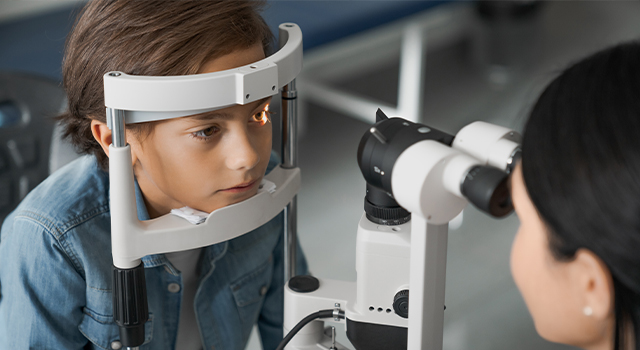

Vision is a primary sense that deeply influences a child’s development, learning, and daily interactions. Parents and guardians may rely on basic school vision screenings to monitor these developments. These basic tests evaluate visual acuity from a distance, but they do not provide a comprehensive assessment of overall ocular health. Comprehensive evaluations by an optometrist go beyond basic screenings, helping to detect underlying conditions early. Making periodic appointments with an eye care professional is a proactive step in a child’s overall preventive health routine. These eye exams allow professionals to monitor development and address subtle changes before they progress into permanent vision loss.
Why Are Eye Exams Necessary?
Many people experience vision loss, and these challenges often begin during childhood. Many eye conditions do not present visible symptoms in their early stages. Without outward signs, parents may not always be able to tell if a child is struggling with their sight.
Comprehensive eye exams evaluate the complete functioning of the visual system, allowing optometrists to look for early indicators of common issues. Catching these changes early provides time to restore lost vision or stop further decline. Professional care helps maintain the structural integrity of the eye and preserve the clarity of a child’s vision as they grow.
What Does One Entail?
A standard pediatric optometry appointment involves a variety of individual tests that are designed to analyze how well a child sees and the overall health of their eyes. The overarching goal is to confirm that the eyes are functioning properly together without undue strain. The practitioner typically begins by measuring visual acuity. For many children, this involves reading letters from the familiar wall chart.
The doctor will also check the overall health of the eye structures, which includes evaluating the optic nerve and the cornea for any physical abnormalities. Measuring eye pressure is another standard procedure. Abnormal pressure can indicate the early onset of conditions like glaucoma, even in pediatric patients.
If the child needs corrective lenses, the optometrist performs a refraction test. The doctor will ask the child to look through various lenses and determine the exact power needed to correct their vision. The family or the child may prefer contact lenses. A specific contact lens evaluation will then follow to find a proper and safe fit for everyday wear.
When Should You Schedule One?
It is typically recommended that patients schedule visits biannually or annually. Regular intervals allow the optometrist to establish a baseline for the child’s vision and track any deviations over time. Specific scheduling recommendations depend on individual patient needs. If a child has a family history of eye disease, vision loss, or systemic risk factors like diabetes, the doctor will likely adjust the frequency of the visits. More frequent monitoring helps practitioners keep a close watch on potential complications. Parents should consult their local eye care provider to determine the best schedule for their child.
Visit an Optometry Office
Scheduling an appointment with a local optometrist is a fundamental part of managing a child’s health. Professional care provides an in-depth analysis that basic school screenings cannot match. By maintaining a consistent schedule of visits, parents help protect their children from the long-term effects of undetected vision problems. A comprehensive evaluation offers clarity to the parents and equips the child with the visual tools they need to succeed in their daily activities.