

Cardiology focuses on the daily health of your heart and the vast network of blood vessels, and regular checkups help to prevent cardiovascular complications from developing. Medical professionals diagnose various complex heart conditions, and they provide effective treatments for many different patients. Because your heart pumps blood throughout your body daily, doctors monitor cardiovascular function with care. Here are some heart diseases and their treatments:
Advanced Hypertension
While some people feel perfectly healthy, high blood pressure quietly damages the delicate arterial walls inside. Advanced hypertension places significant and constant physical stress on your cardiovascular system. Doctors may recommend immediate dietary lifestyle changes, and they prescribe medications to lower the dangerous pressure. Watch for these specific physical symptoms:
- Persistent morning headaches upon waking
- Unexplained shortness of breath during rest
- Sudden and frequent nosebleeds
- Mild to moderate chest pain
Coronary Artery Disease
Plaque slowly builds up inside your arteries, and this substance drastically reduces the normal blood flow. As these narrowed pathways deliver less oxygen to your tissue, the heart muscle works much harder. High cholesterol combined with poor diet habits directly causes these severe arterial blockages over a lifetime. The gradual accumulation of fatty deposits eventually restricts healthy circulation throughout the chest area.
Many affected patients experience uncomfortable chest tightness during mild physical activities or stressful daily events. If the arterial blockage grows worse over time, a dangerous heart attack occasionally takes place. People may have radiating pain in their left arm, and they feel extreme fatigue throughout the day. Nausea typically accompanies these physical signs during a severe cardiac episode at home.
After a doctor thoroughly evaluates your specific condition, the cardiology team suggests several helpful treatment options. Trained surgeons carefully place small metal stents to open the blocked blood vessels for better circulation. Some patients get a bypass surgery, or doctors prescribe daily blood thinners to prevent clots.
Problematic Arrhythmias
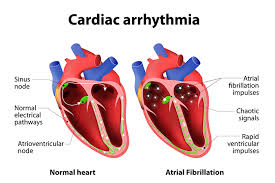
Irregular heartbeats disrupt the normal steady rhythm, and this chaotic pacing causes noticeable discomfort for patients. Specialized doctors diagnose rapid atrial fibrillation or identify other issues during routine medical examinations. When the internal electrical signals fail to fire correctly, the heart beats out of sync. These electrical misfires originate from damaged muscle tissue inside the upper or lower heart chambers.
Medications successfully control the heartbeat pace to restore regular rhythms for a healthier daily life. As the natural rhythm changes unexpectedly, patients regularly feel a sudden fluttering sensation in their chest. Doctors implant permanent pacemakers to regulate the pulse, and patients may return to their normal daily routines.
Various Valve Disorders
Because damaged heart valves fail to close properly, blood flows backward into the previous heart chamber. This backward flow creates a noticeable heart murmur, and doctors detect this sound using a stethoscope. Surgeons successfully replace faulty valves with artificial ones to treat the underlying mechanical issue. Congenital defects or age-related wear typically cause these specific structural abnormalities in many older patients.
Find Cardiology Services Near You
Local medical clinics provide comprehensive diagnostic care to monitor your cardiovascular health. Reach out to a cardiology clinic, and the staff can schedule your evaluation. If you notice any unusual chest symptoms today, you need professional medical advice as soon as possible. Call our dedicated scheduling team to book an initial consultation with a specialized local heart doctor.