
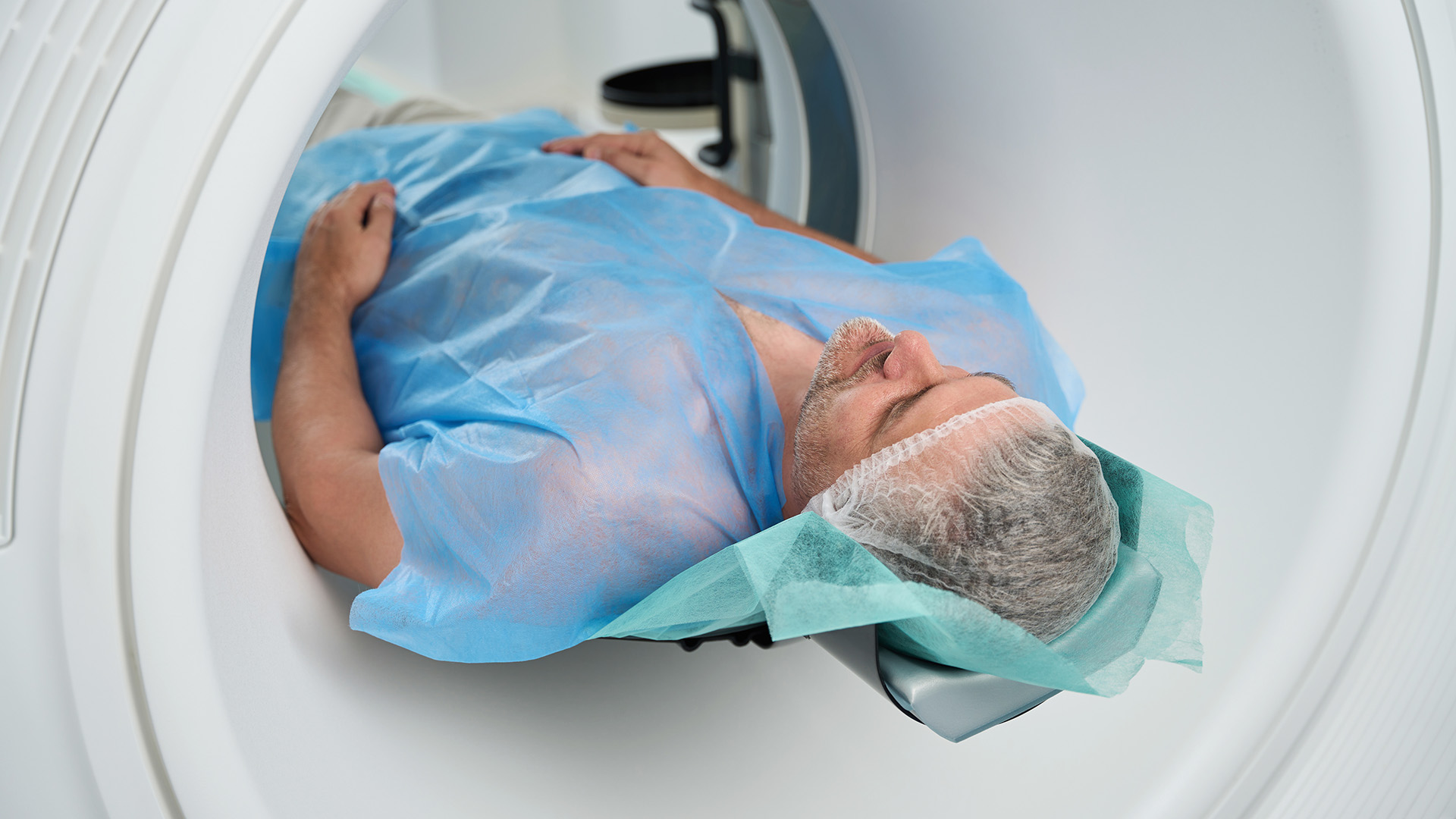

A computed tomography (CT) machine takes highly detailed medical pictures of the internal structures of the human body. Because these modern machines use specialized X-ray beams, medical professionals see incredibly clear cross-sectional images of organs. The resulting medical images reveal specific bone injuries, and they show internal soft tissues with professional clarity. Here are some questions you may have about CT scans:
How Does it Work?
As you lie on a padded examination table, a large circular X-ray tube rotates around you. This continuously moving tube emits multiple narrow radiation beams through your body at various specific geometric angles. Sensitive digital detectors measure the transmitted radiation levels, and powerful medical computers process the raw structural data.
The scanner continuously creates multiple incredibly thin image slices of your targeted internal human body structures. A computer stacks these flat slices together, and it builds detailed 3D anatomical models. Because CT scan technology operates fast, the imaging process typically finishes within minutes.
What Happens During the Process?
When you arrive at an imaging clinic, a technician greets you promptly. You lie flat on a specialized table during the imaging procedure. The table gently slides into the large circular scanner, and you stay still during the imaging process. A technician monitors your physical condition constantly from the outside.
- Preparing: You may be asked to change into a gown and remove any metal objects, such as jewelry, to allow clear imaging.
- Positioning: You lie down flat on the motorized table, which is positioned to align your body with the scanner.
- Scanning: The table moves slowly through the circular scanner while you remain still. The scanner rotates around you, capturing detailed images.
- Observing: The technician supervises the process from a separate room, aiding your comfort and safety.
- Completing: Once imaging is finished, you can resume normal activities unless otherwise instructed by your healthcare provider.
When Are CT Scans Needed?
When patients experience an unexpected internal injury, doctors can order these specialized medical imaging scans. Car accidents may cause blunt trauma, so emergency physicians need quick medical answers for accurate diagnoses. These rapidly generated imaging scans detect dangerous internal bleeding within minutes of your arrival at the hospital.
Medical professionals suspect abnormal internal tissue growth, and they use these specific scans for accurate tumor sizing. The highly detailed medical images pinpoint exact physical locations of challenging masses within your chest or abdomen. While doctors sometimes use other standard blood tests, tomographic images provide highly specific internal anatomical details.
Complex bone fractures may require careful medical evaluation before any extensive surgical intervention begins at the hospital. If a regular X-ray misses tiny structural details, a modern CT provides the necessary visual clarity. Orthopedic surgeons plan complex joint replacement procedures, and they rely heavily on these precise 3D digital images.
Are There Radiation Risks?
CT tests utilize some ionizing radiation, but the required medical doses remain relatively low and safe. Because modern imaging machines use advanced filtering software, they significantly limit your total physical radiation exposure. Radiologists should take your personal safety seriously during each imaging appointment you attend. These efforts help promote safety:
- Trained technicians use thick lead shields to completely protect your sensitive body areas during scanning procedures.
- Medical doctors may choose to order these highly specific digital scans for exceptionally clear and valid medical reasons.
Schedule a CT Scan
Your ongoing personal health occasionally requires clear medical answers from highly detailed imaging technology. Call a radiology office, and a scheduling team will assist you with booking. If you need an imaging appointment soon, reach out to a team of staff members immediately.