
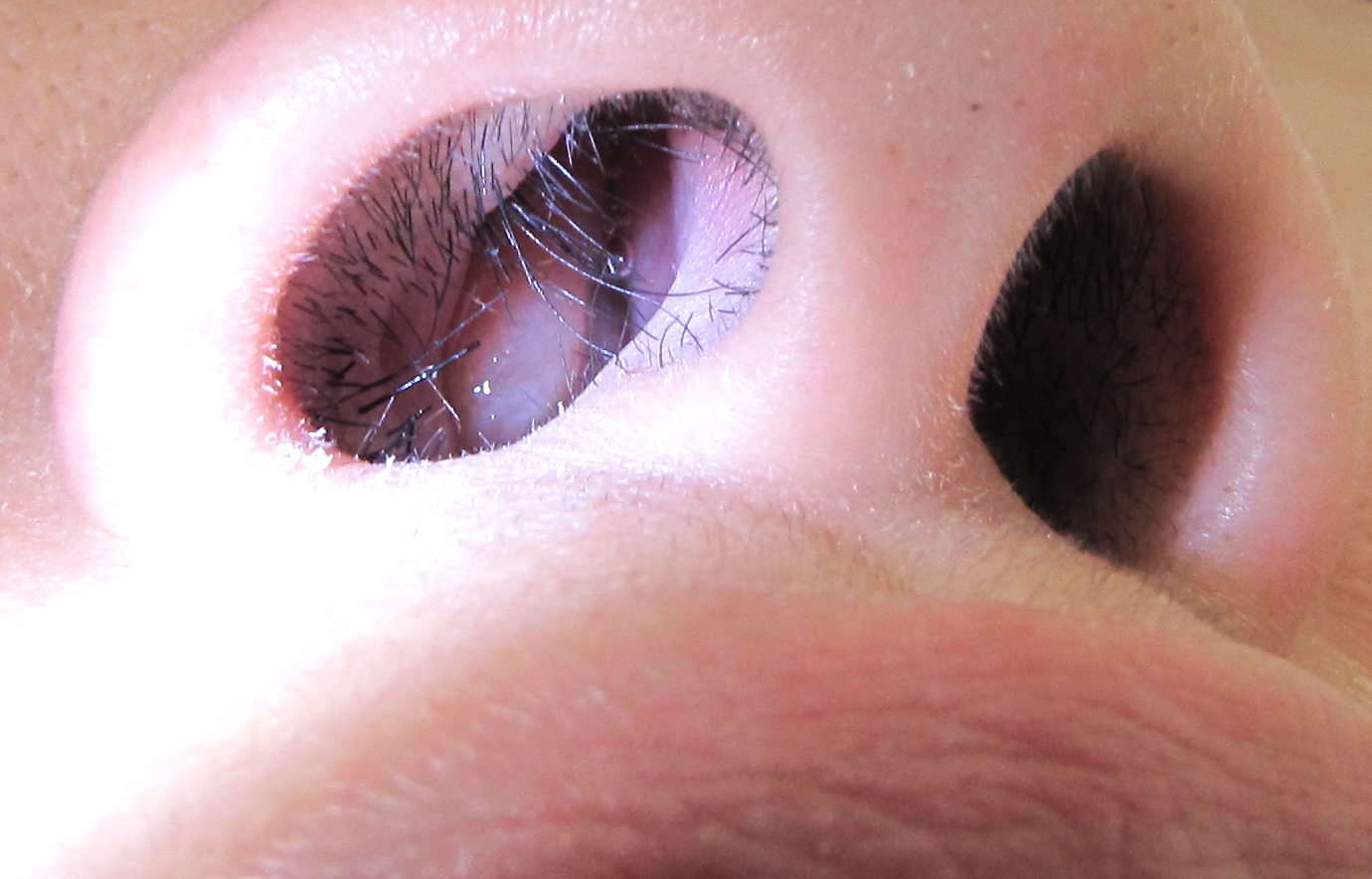

Nasal polyps are a common condition affecting the nasal passages and sinuses, often causing functional disruptions for those who experience them. These growths stem from chronic inflammation within the nasal cavity, which may arise due to various triggers. Individuals dealing with chronic nasal congestion or recurrent sinus issues can seek relevant information, trying to determine if polyps might be the underlying cause of their symptoms.
What Are Nasal Polyps?
Nasal polyps are benign, soft tissues that emerge along the lining of the sinuses or nasal passages. They manifest as a direct result of chronic inflammation. When the nasal tissues face prolonged irritation from infections, environmental allergies, or fungal immune responses, the local blood vessels become highly permeable. This increased permeability allows fluid to gather within the cells.
As fluid accumulates over an extended period, gravity gradually pulls these swollen tissues downward, leading to the formation of polyps. In appearance, they generally possess a pearl-like color and a soft, gelatinous texture. A person might develop a single isolated growth or multiple polyps grouped together that resemble a cluster of grapes hanging from a stem.
What Are the Symptoms?
The physical indications of nasal polyps vary depending on their size and quantity. Small growths frequently remain undetected, since they rarely produce noticeable signs. As the tissues expand or multiply, they begin to interfere with normal nasal function and airflow. Individuals with larger polyps frequently experience a persistent runny nose or a sensation of complete nasal obstruction. The physical blockage can lead to a diminished or complete loss of smell. Chronic sinus infections may result from impaired drainage in the nasal cavities. Other reported signs include dull headaches and noticeable snoring during sleep.
How Are They Treated?
Managing these growths requires a tailored approach. Medical providers typically begin with pharmacological therapies to shrink the tissues, while surgical intervention remains an option for more advanced cases. Addressing the root cause of the inflammation is a primary focus, preventing the growths from returning.
Medication
Medical professionals may prescribe inhaled nasal steroids as a primary treatment method. These medications aim to decrease local inflammation and gradually reduce the size of the growths. For faster results, oral corticosteroids are sometimes utilized to target severe inflammation. If environmental allergies are the root cause, doctors routinely recommend allergy medications to alleviate the bodily reaction and slow the progression of the growths. When a bacterial sinus infection is present, antibiotics are utilized to clear the infection, which often helps the polyps resolve. In cases where an immune response to environmental fungus drives the inflammation, antifungal medications become necessary.
Immunotherapy and Desensitization
For patients whose growths are tied to allergic reactions, immunotherapy provides a pathway to relief. This treatment involves administering small amounts of specific allergens. The objective is to gradually train the immune system to tolerate these triggers and reduce the inflammatory responses that lead to polyp formation.
Surgery
When medications fail to provide adequate relief, physicians may recommend surgical removal of the obstructive tissues. Surgical procedures effectively clear the nasal passages. To maintain these results, medical providers also address the underlying inflammatory triggers post-surgery, which helps minimize the risk of the growths developing again in the future.
Seek Professional Nose Treatment
Maintaining optimal respiratory health requires accurate diagnostics and targeted therapies. Individuals experiencing persistent nasal congestion or recurrent sinus discomfort should seek an evaluation from an otolaryngologist. These specialists possess the specialized tools to accurately visualize the nasal passages and definitively diagnose the presence of abnormal growths. Alongside professional medical interventions, implementing proactive daily habits supports overall sinus health.