
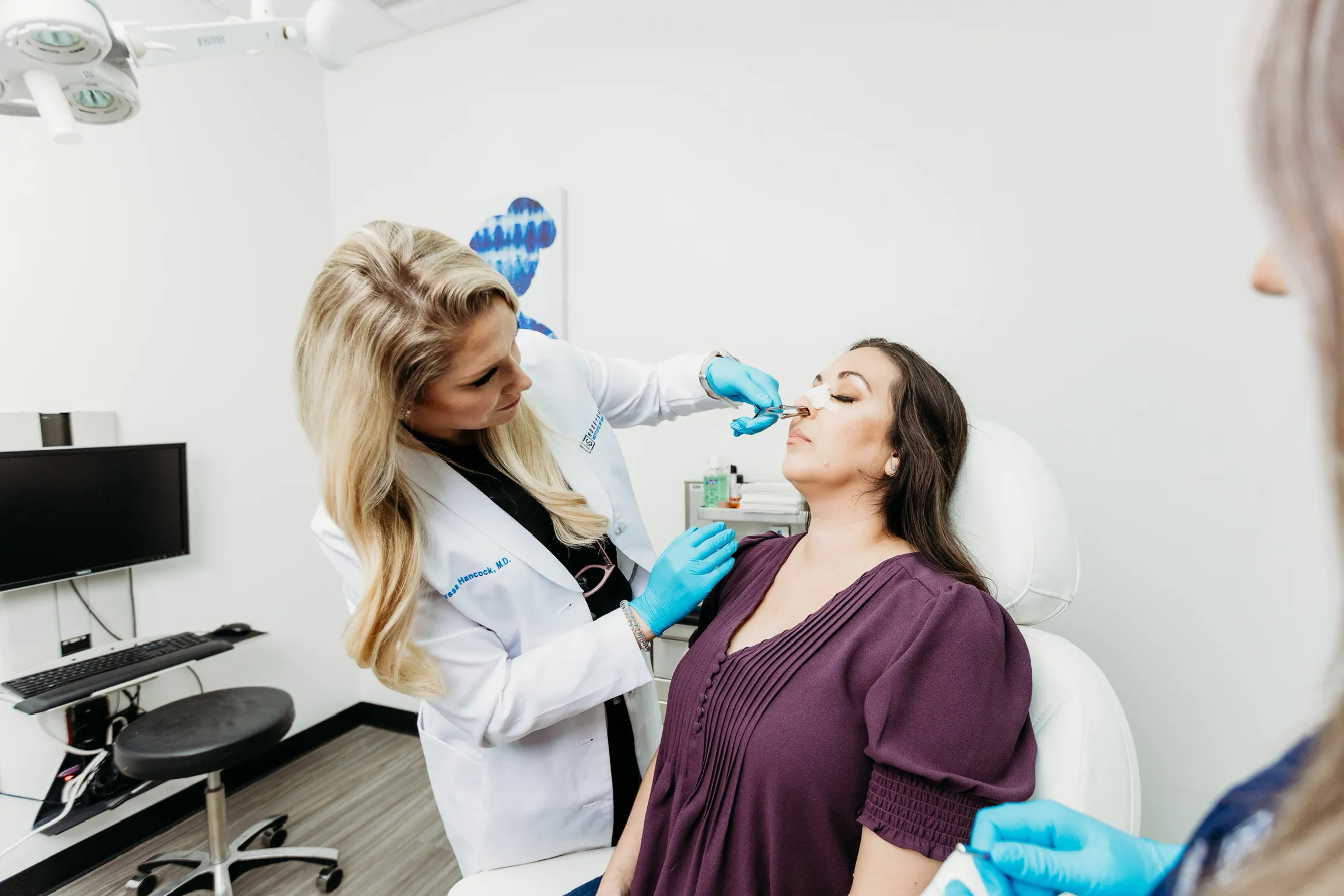

You experience nasal congestion, and you may develop frequent headaches. A deviated septum restricts airflow. Because breathing comfortably is necessary, surgery offers an effective path forward. If you seek lasting relief, septoplasty is an excellent option, and it aims to restore normal nasal function.
Symptoms of a Deviated Septum
Patients often report noisy breathing, and many experience regular nosebleeds. Common signs include difficulty breathing through your nostrils. You notice one side is more blocked, worsening during allergy season or a cold. If you experience facial pain, this signals a problem. Loss of smell also occurs frequently. Snoring disrupts your sleep, and poor sleep can affect your energy. These signs may indicate a problem, and a medical evaluation is your first step. Chronic nasal congestion restricts your oxygen intake. Your body works harder, and your fatigue increases. You may also notice dryness in your mouth from breathing through it at night. Monitoring these signs clarifies the problem and guides you to deviated septum care. Nasal obstruction blocks your sinuses, and pressure builds up quickly. With one side usually worse, you may notice uneven breathing, and this imbalance causes persistent discomfort.
Procedures for Correction
Nasal septoplasty straightens the thin wall inside your nose. Doctors perform this under anesthesia, and the process takes around 30 minutes. The procedure’s main goal is to restore airflow while improving breathing. Surgeons remove deformed cartilage without making facial incisions, so there is no visible scarring. During preparation, your doctor reviews your history. You can ask questions, and they will explain each step to keep you informed.
Because the surgery happens internally, your exterior nose and natural look stay intact. They may use dissolvable sutures inside your nasal cavity. Smaller deflections require only local anesthesia, and these take place in the office. When an office procedure is recommended, discomfort remains minimal, and there are no changes to your facial appearance. The surgical approach addresses the internal blockage directly. Medical advancements make this process efficient. The surgeon uses specialized instruments. Bone structure is rigid, so experts reshape it gently. For most people, improvements are noticeable within days, and activities resume soon.
Steps after Surgery
The recovery process moves quickly for some patients. Patients typically go home the same day, so use Tylenol for pain management. Some mild congestion or drainage is normal, and most people report daily improvement as symptoms fade. Improved airflow is noticeable by some soon after surgery. Bruising does not occur, and swelling stays completely inside the nasal passages. With proper rest and care, healing proceeds efficiently; avoid strenuous activity for the first week. Minimal downtime allows a fast return to normal activities. Mild discomfort is manageable, and energy returns soon. As the internal tissues heal, sleep quality may improve. Follow-up visits support proper internal healing. The doctor checks the nasal passages, and they remove any minor blockages. Follow post-operative instructions so recovery can continue.
Schedule Your Consultation Today
Septoplasty is an option, and the minor surgery may provide relief. Breathing freely improves overall quality of life. If you recognize these symptoms, contact a specialist. Take control of your daily health now. The right medical guidance empowers you, and effective treatment is available. Because health matters, prompt action helps, and professionals are ready to help.