
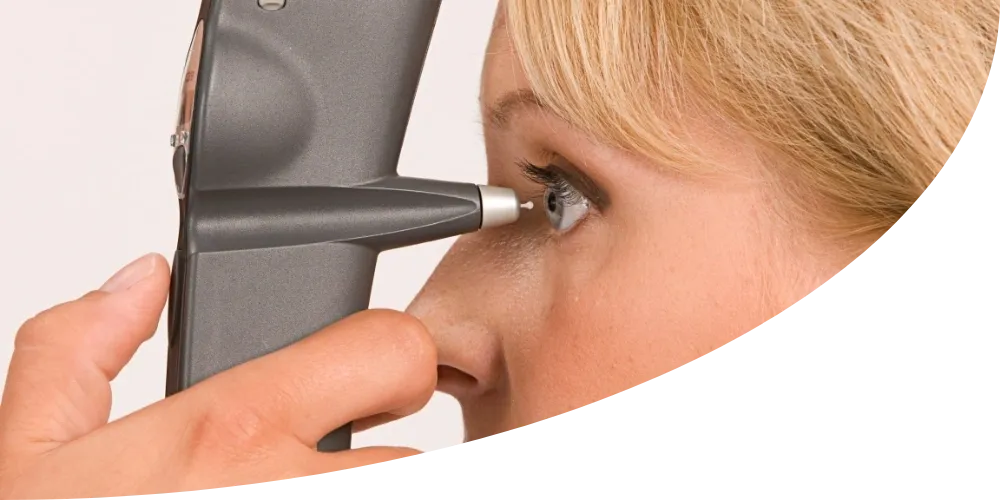

Ophthalmology utilizes advanced medical technology. New methods treat eye issues, and they protect your vision. Retina disease threatens sight, so specialists provide advanced treatments. Research may yield better surgical techniques. Technology improves diagnostic accuracy.
Symptoms Dictating Fast Action
Blurry vision requires a professional ophthalmology evaluation. You might see floaters or notice dark areas. If you experience flashes and vision fluctuation, a doctor must check for retinal tears. Symptoms may appear suddenly, or they develop gradually. When vision changes without warning, early intervention helps prevent further loss. Some notice peripheral shadowing, while others report a curtain effect over their vision. Even minor shifts signal issues, so mention all changes to your provider. Shadows covering vision indicate problems. Altered color vision occurs, and some patients report trouble focusing.
Because spots move constantly, they can disrupt sight. Seeing multiple floaters, especially if they increase suddenly, suggests a vitreous change or a retinal tear. Many patients describe these as cobwebs or dots that float in and out of focus. Ophthalmology doctors can use advanced imaging to analyze symptoms. Dark areas require immediate attention. Patients notice moving shapes, and these spots can disrupt reading. When partial vision loss occurs, doctors assess the damage and create rapid treatment plans. Track if colors seem dull, and note if your peripheral vision narrows. Noticing recurring flashes is another sign to contact your provider promptly, as flashes can indicate that the retina is pulling away from the eye wall. Addressing symptoms early helps protect your sight.
Services Managing Retinal Disease
Diabetic eye care prevents complications. Macular degeneration damages sight, but regular exams track the progression. While retinal detachment is serious, eye doctors repair it, and they address vascular occlusions. Routine screenings can detect diabetic retinopathy. Patients with a family history of retinal diseases need more frequent monitoring, and preventive care keeps issues in check. Some clinics offer dedicated retinal imaging, making follow-up easier for patients with chronic eye conditions. Floaters require thorough clinical monitoring. Retina disease alters anatomy, and comprehensive tests map these changes. Since blood sugar affects the eyes, controlling it matters, and watchful waiting tracks minor changes. Retina specialists work closely with patients who have diabetes or vascular concerns. Doctors manage complex structural conditions. Specialists treat macular holes, and they monitor retinal vascular occlusions. Because diabetes affects blood vessels, specialists monitor changes, and proactive care helps limit tissue damage.
Treatments Restoring Visual Clarity
Laser surgery repairs retinal holes. Vision-assistance devices help, and eye injections deliver targeted medication. When abnormal blood vessels leak, doctors use focal laser therapy and injections to reduce swelling. These injections include anti-vascular endothelial growth factor (VEGF) medications or corticosteroids, and each medication is selected based on the diagnosis and disease progression. Surgeons remove vitreous fluid, and they can replace it during procedures. When patients need medication, specialists use intravitreal injections, and anti-VEGF medicines block abnormal growth. Cryotherapy uses controlled freezing. Pan-retinal photocoagulation shrinks abnormal vessels. Ophthalmology specialists inject gas bubbles, which stabilize detached retinas. While corticosteroids reduce inflammation, scatter laser treatment works, and patients maintain their remaining vision. Assistive devices such as special glasses or magnifiers help adapt to permanent changes, so vision remains as functional as possible. Doctors and support staff provide training on these tools, and they answer questions about self-care and follow-up.
Schedule Your Ophthalmology Exam
Timely care preserves your eyesight, and modern ophthalmology offers treatments. Specialists apply these advancements. Eye health matters, so schedule an exam. Protect your visual health proactively. If vision changes occur, quick action helps prevent damage. Patients use vision assistance devices. Glasses improve daily functioning. Book your appointment today.