
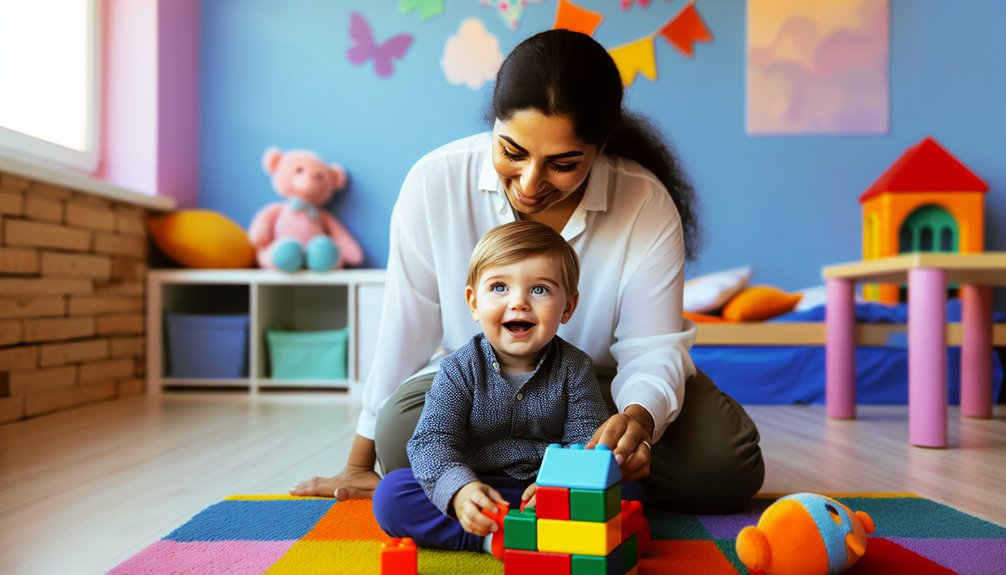

Child mental health encompasses the cognitive, behavioral, and emotional well-being of a minor. Parents play a significant role in this area, and a supportive environment facilitates stability for a developing mind. Caregivers benefit from understanding the underlying principles of mental health to provide appropriate care. Here is more information on child mental health and methods for establishing a structured support system at home:
What Is Child Mental Health?
Child mental health involves reaching developmental milestones and learning healthy social skills. This domain covers how a minor processes information internally and how they cope with various stressful situations in their environment. Psychological well-being impacts physical health, and cognitive stability influences academic performance. Healthcare providers may measure these variables using standardized testing protocols.
What Affects It?
Multiple environmental and biological variables impact a child’s psychological state. Genetics establishes a baseline for cognitive development, and environmental factors modify this trajectory over time. The daily surroundings dictate the level of stress a minor regularly experiences. Positive social interactions build resilience against future psychological challenges.
Chronic stressors may alter neurological development in pediatric patients. Exposure to adverse childhood experiences may disrupt normal brain chemistry, and traumatic events have the potential to trigger long-term behavioral changes. Supportive family dynamics act as a protective barrier against these negative external influences.
What Are Mental Health Disorders?
Mental health disorders are clinical conditions that disrupt a child’s typical thoughts, feelings, or behaviors. These disruptions cause distress. They also interfere with the minor’s ability to function in daily life. Common classifications include anxiety disorders, attention-deficit/hyperactivity disorder, and depressive disorders, and healthcare providers use standardized criteria to diagnose these medical conditions.
Symptoms manifest differently depending on the specific disorder and the minor’s age. Some children exhibit internalized symptoms like withdrawal, while others display externalized behaviors like aggression. Clinical assessments identify these specific symptom clusters to form an accurate diagnosis.
A formal diagnosis requires the presence of symptoms for a specified duration. Temporary behavioral changes do not automatically constitute a disorder, so clinicians evaluate the persistence of the observed issues. This thorough evaluation separates transient developmental phases from documented clinical conditions.
What Causes Them?
The origins of mental health disorders involve a complex interaction of multiple risk factors. Biological components include genetic predispositions and chemical imbalances in the brain, which contribute to symptomatic behaviors. Medical history may reveal patterns of neurological vulnerabilities within a family, and physical trauma to the central nervous system serves as a potential catalyst for behavioral changes. Psychological and environmental elements further trigger the onset of these conditions.
How Can You Lend Support?
Parents can establish a supportive environment by implementing consistent daily routines. Predictable schedules help reduce anxiety, and clear boundaries provide a sense of security for the child. Open communication allows minors to express their feelings without judgment. Active listening validates their experiences, which necessitates that parents maintain a neutral stance during discussions.
Implementing targeted behavioral strategies at home reinforces clinical therapies. Parents can use positive reinforcement techniques and model healthy emotional regulation strategies themselves. This multidisciplinary strategy influences overall development, and it gives the child a reliable support network across various areas of their life.
Seek Professional Guidance Today
A supportive environment requires a combination of parental action and professional expertise. Caregivers build the daily foundation at home, and clinical specialists provide the necessary diagnostic tools. Mental health professionals offer evidence-based interventions tailored to specific diagnoses. Reach out to a certified psychiatrist to schedule an initial consultation for your child.