
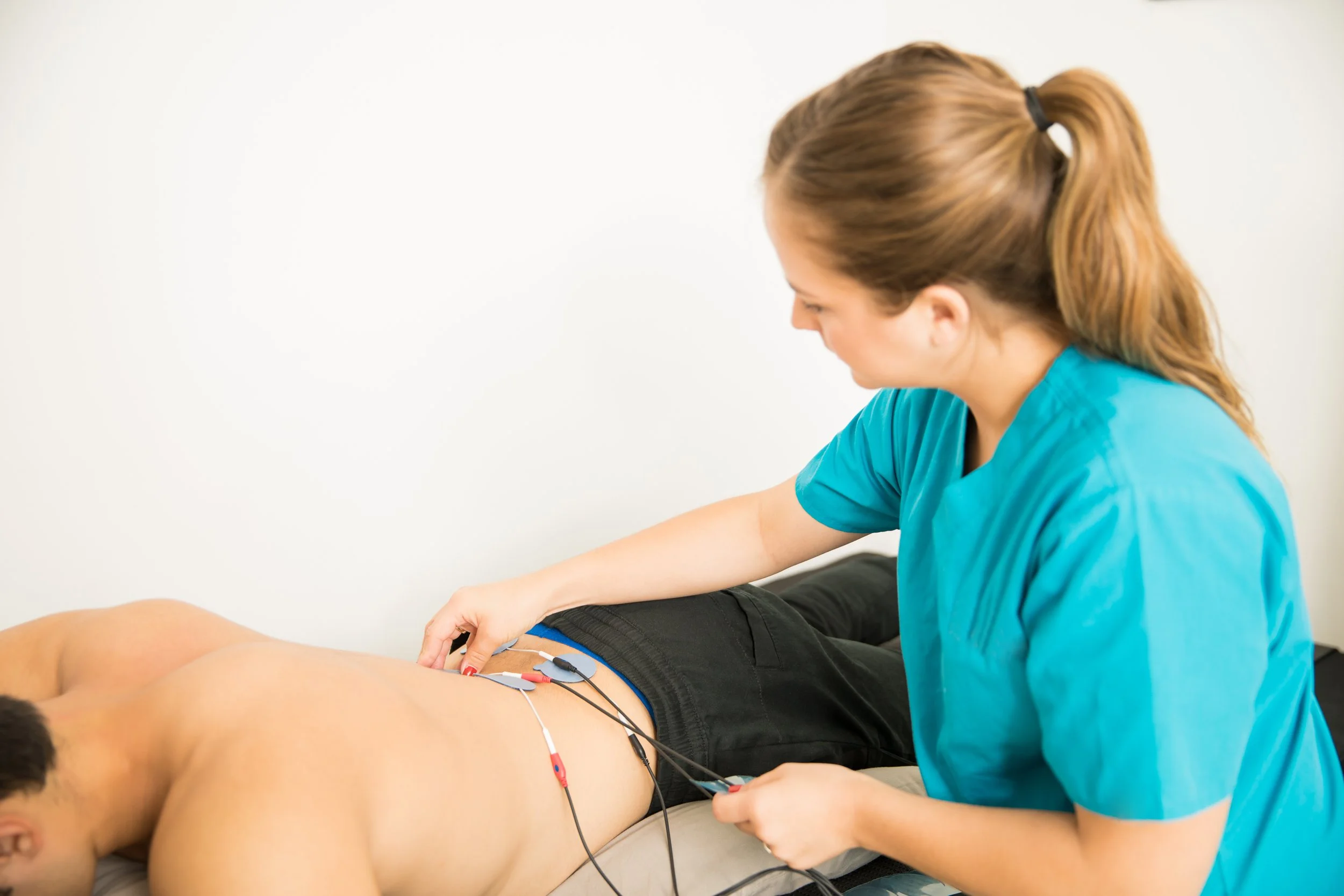

Electro shock therapy is sometimes used as part of a treatment plan to support muscle recovery, especially when addressing soreness, tension, or reduced function after physical strain or injury. This approach can complement other therapies aimed at improving comfort, circulation, and movement. Here’s more information on how shockwave therapy can help with muscle recovery:
Understanding Shockwave Therapy
Electro shock therapy or shockwave therapy is a non-invasive treatment that utilizes high-frequency sound waves (ultrasound) to stimulate the body’s natural healing processes. This therapy is beneficial for addressing soft tissue-related issues in the foot and ankle, such as plantar fasciitis, which causes chronic heel pain, and neuromas, which are nerve tumors. Shockwave therapy promotes tissue repair and pain relief safely and effectively by delivering controlled sound waves to the affected area. The procedure is straightforward, involving application of the device to the skin, during which the patient experiences minimal discomfort as the therapy is administered.
Supporting Muscle Activation
Electro shock therapy is an outpatient procedure designed to promote healing and recovery. Before the therapy begins, the patient is asked to either sit or lie down comfortably on an exam table. The provider applies a specialized gel to the targeted area to promote optimal contact between the device and the skin. Once the gel is applied, the provider uses a handheld transducer, and they glide it carefully over the affected area of the body.
The transducer emits high-frequency sound waves that penetrate deeply into the soft tissue below the skin. These sound waves are instrumental in improving circulation and increasing blood flow to the injured area. Enhanced blood flow reduces inflammation and accelerates the body’s natural healing response, encouraging the formation of new and healthy tissue.
Each treatment session generally lasts between 15 and 20 minutes; the duration may be extended depending on the severity of the injury and the specific symptoms being addressed. Upon completion of the therapy, the provider cleans the treated area by wiping off the gel. They also provide the patient with detailed aftercare instructions.
Reducing Pain in Rehabilitation
Physical rehabilitation often involves highly repetitive and exhausting physical movements. Patients experience general body soreness, but guided therapies make the work easier. Shockwave therapy interrupts typical nerve signals, and it provides a key distraction for the local tissues. Patients can expect the following outcomes when they use electro shock therapy:
- Better physical tolerance during stretches.
- Steady completion of daily movement routines.
- Lower overall fatigue after the session.
Consistent routines are fundamental for long-term physical progress. The therapy aids the schedule, and it keeps the individual on track.
Knowing When Therapy Aids Recovery
Specialists map out schedules for every rehabilitation plan. They observe daily physical changes, and they adjust the weekly goals. If progress slows down suddenly, they may add shockwave therapy to the daily routine. A structured timeline is a key part of the entire process. The specialist tracks the data accurately, so they can update the plan safely. Different stages of rehabilitation require different levels of support, and the provider manages these shifting variables.
Learn More About Electro Shock Therapy
Shockwave therapy offers a structured approach to localized muscle activation. The mild electrical pulses create controlled movements, and the process aids standard physical routines. The sessions do not require surgery, so the recovery timeline remains uninterrupted. Contact a qualified podiatrist in your area to schedule your consultation and learn more about shockwave therapy today.