
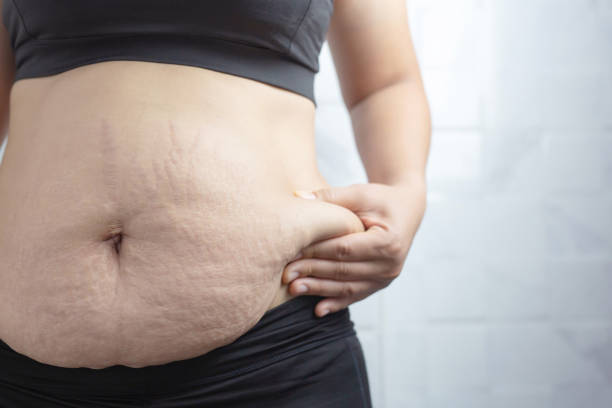

Plastic surgery body contouring refers to procedures that reshape specific areas of the body, including liposuction, which removes excess fat. Body-contouring procedures remove fat that does not respond to diet or exercise, but they aren’t a medical weight-loss surgery. These procedures aim to alter the underlying structure, creating a smoother or more defined profile. Over the years, advancements in surgical technology have introduced new variations of liposuction techniques. Here’s information on two specific types of liposuction and how they differ:
What Is Traditional Liposuction?
Traditional liposuction, often referred to as tumescent liposuction, is a standard surgical procedure used to extract localized fat deposits. Before the fat removal begins, the surgeon injects a sterile solution into the targeted area. This tumescent fluid contains a mixture of saltwater, a local anesthetic to manage discomfort, and epinephrine to constrict blood vessels and minimize bleeding.
Once the area is prepared, the surgeon makes small incisions in the skin. A thin, hollow tube called a cannula is inserted through these incisions. The surgeon moves the cannula back and forth in a controlled motion to mechanically break apart the fat cells. A surgical vacuum or syringe attached to the cannula then suctions the dislodged fat out of the body. This method relies primarily on the physical movement of the cannula to separate fat tissue before extraction.
What Is Laser Liposuction?
Laser liposuction is a variation of the procedure that uses concentrated light energy to remove fat cells. As with the traditional method, laser liposuction begins with the injection of tumescent fluid into the treatment area. Following this step, the surgeon makes small incisions to access the underlying fat deposits.
Instead of using mechanical force, the surgeon inserts a thin laser fiber through the incisions, which then emits thermal energy. The laser emits directly into the fat tissue, and this heat causes the fat cells to rupture and liquefy, turning into an oily substance. Once the fat is liquefied, the surgeon uses a small cannula to gently suction the fluid from the body. Some laser liposuction platforms also direct thermal energy toward the deep layers of the skin during the procedure.
The primary distinction between these two procedures lies in how the fat is broken down before removal. Traditional liposuction uses mechanical force to break up fat cells, but laser liposuction relies on thermal energy. Because the laser liquefies the fat, the subsequent suction process often requires less physical manipulation of the surrounding tissues.
How Does Laser Liposuction Differ?
The introduction of heat in laser liposuction affects the surrounding skin structures, stimulating collagen production in the deep dermal layers. Laser thermal energy techniques are frequently used for smaller, more delicate areas that require precise contouring. Surgeons often choose traditional liposuction for treating larger areas of the body that require significant fat volume reduction. Both techniques require anesthesia, though the type may vary depending on the extent of the procedure and the treatment areas.
Learn More About Liposuction
Choosing the right surgical approach requires a professional consultation, as a surgeon can evaluate your individual anatomy and cosmetic goals. For body contouring, factors such as skin elasticity, fat volume, and your overall health affect your treatment options. A qualified professional will evaluate your medical history and provide detailed guidance on whether traditional or laser techniques are best. To fully understand your options, schedule a consultation with a board-certified plastic surgeon.