
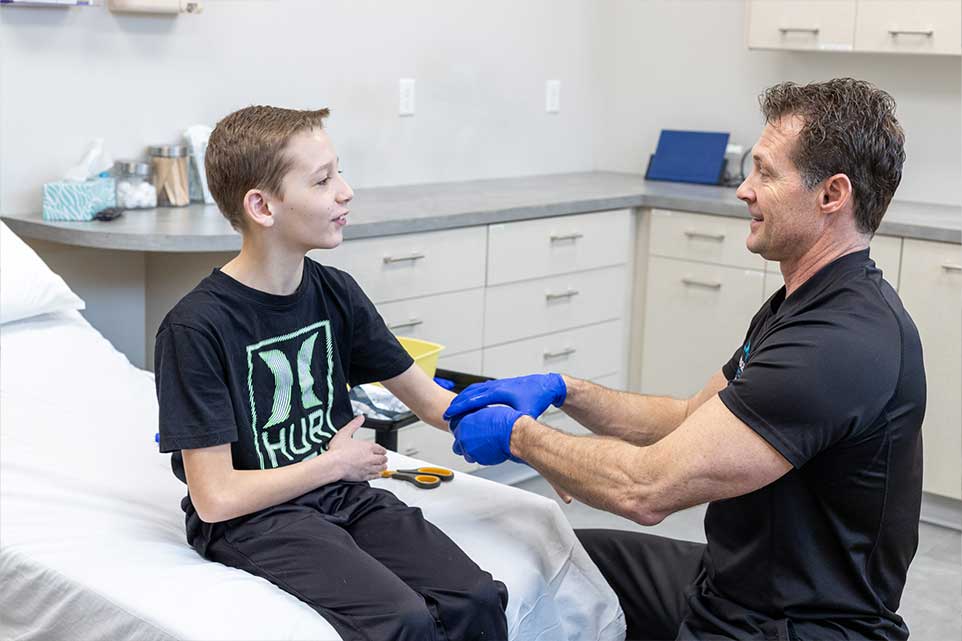

Urgent care centers are medical facilities that provide immediate outpatient care for acute illnesses and injuries. They provide prompt care for minor emergencies that need attention but are not immediately life- or limb-threatening. A minor emergency is a condition that needs evaluation and treatment within a short timeframe, and that treatment prevents further complications or relieves physical discomfort. Examples of minor emergencies include small lacerations, minor burns, muscle sprains, and mild allergic reactions. Urgent care centers fill the gap between primary care and emergency departments by providing practical solutions for sudden medical needs.
Accessibile Convenience
Urgent care facilities prioritize accessibility for patients who require prompt medical attention. Many locations operate with extended evening and weekend hours, and they generally accept walk-in patients without an appointment. This operational structure significantly reduces wait times compared to traditional hospital emergency departments.
Patients visiting urgent facilities often experience a streamlined triage and registration process. This efficiency allows medical staff to swiftly treat minor emergencies, enabling patients to return home and begin their recovery. The strategic placement of these clinics in local neighborhoods further enhances convenience; they help individuals find care close to home or work when sudden injuries occur.
Comprehensive Services
These facilities are equipped to handle a wide variety of non-life-threatening conditions with specialized medical equipment. Urgent health care centers typically feature on-site diagnostic technology, including X-ray machines and laboratory testing. Providers use modern diagnostic tools to evaluate injuries, and they formulate targeted treatment plans based on objective findings. This comprehensive setup allows healthcare providers to assess injuries like suspected bone fractures and diagnose common illnesses in one visit. Standard services offered at urgent care facilities often include:
- Suturing and bandaging minor cuts and lacerations
- Providing splints, braces, or casts for sprains and simple fractures
- Conducting routine blood work, cultures, and urinalysis
- Administering basic occupational health screenings
These comprehensive capabilities help patients receive complete, continuous care for their minor emergencies under one roof.
Urgent Care or Emergency Room
Understanding when to visit an urgent health center helps you receive appropriate medical attention for your specific condition. You can choose an urgent facility when you experience a sudden injury or illness that requires prompt evaluation, yet your condition is fundamentally stable. Visit an urgent health care facility for conditions such as minor sports injuries, moderate respiratory symptoms, animal bites, or localized skin rashes.
It is advisable to differentiate between a minor emergency and a severe medical crisis. You can seek treatment at an urgent care center for a minor sprain, but you must visit an emergency room for severe trauma. Conditions like chest pain, severe shortness of breath, uncontrolled bleeding, or significant head injuries require the advanced life-saving resources of a hospital emergency department. Urgent care provides an effective alternative strictly for medical issues that cannot wait for a regular doctor’s appointment but are not life-threatening.
Learn About Urgent Care Today
Knowing your healthcare options before a sudden injury occurs prepares you to make informed, efficient decisions. Take the time to research the urgent facilities in your local area to understand the specific services they offer; locate the clinics nearest to your home, verifying their operating hours and contact information. Familiarize yourself with these medical resources today to help you know exactly where to turn when a minor medical need arises.