
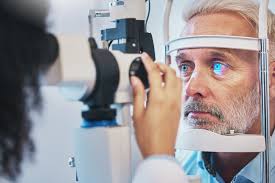

-Laser vision correction involves precise medical procedures, and they are used to permanently adjust your physical eye shape. Because human eyes process incoming light differently, trained surgeons utilize specialized lasers to reshape the cornea. This physical reshaping directly alters light processing, and patients subsequently experience very distinct visual changes. Here is more information on the role of laser vision correction:
Eliminating Need for Glasses
While traditional frames sit heavily on the face, clinical laser treatments provide a direct structural alteration. Prescription glasses require regular physical maintenance, and daily contact lenses need strict hygiene routines. Laser vision correction permanently alters the dependence on these external visual aids. After adult patients undergo this specific medical procedure, they typically experience the following distinct outcomes:
- Reduced daily prescription frame usage
- Decreased contact lens supply purchases
- Fewer ongoing optical prescription updates
Correcting Refractive Errors
Myopia makes distant objects appear blurry, and hyperopia heavily disrupts the natural focus on nearby objects. Astigmatism distorts your general vision across all typical viewing distances in daily life. When ophthalmologists apply targeted ultraviolet light, they systematically adjust the underlying corneal tissue structure. This precise physical restructuring directly alters the incoming light pathway.
While individual eyes vary in surface shape, modern medical lasers adapt to specific anatomical topographies. Experienced doctors measure the exact corneal thicknesses multiple times prior to the actual surgery. The advanced medical equipment accurately maps the outer surface, and a specialized computer guides the calibration. Trained specialists program these measurements into the system, and the machine executes the precise pattern.
The incoming light finally focuses directly onto the correct anatomical portion of the human retina. The treatment properly corrects the focal point, so individuals rely much less on corrective lenses. If the central corneal curvature changes appropriately, the eye bends external light rays perfectly. These precise internal focusing mechanisms form the absolute basis of clear natural sight.
Improving Vision
Standard optical lenses merely attempt to correct general focal point issues from the outside environment. External lenses mask the problem, but surgical lasers target microscopic anatomical imperfections directly. Because the laser removes tiny amounts of cellular tissue, the eye forms a better optical surface. General visual clarity typically stabilizes over a standard recovery period of several weeks.
Since cellular tissue regenerates at predictable biological rates, doctors map the expected recovery timeline accurately. The natural bodily healing process ultimately dictates the final visual acuity outcome for patients. Follow-up clinic visits track the recovery progress, and medical professionals regularly record the visual changes. As the delicate corneal surface heals completely, the physical visual improvements become permanent.
Providing a Minimally Invasive Option
The entire outpatient surgical process usually takes just a few short minutes per treated eye. The surgery requires no general anesthesia, and clinics strictly use localized numbing eye drops. Because the required microscopic tissue incisions remain incredibly small, the human eye requires no stitches. Adult patients stay fully awake during the brief outpatient surgical intervention.
Schedule Laser Vision Correction
A specialist can review your complete medical history, and our clinic team tests your eyes thoroughly. If you meet the specific medical qualifications, they will immediately outline the next procedural steps. Contact a specialized eye clinic today to book your initial clinical evaluation appointment. The support staff answers your questions, and the attending doctor explains the process.