
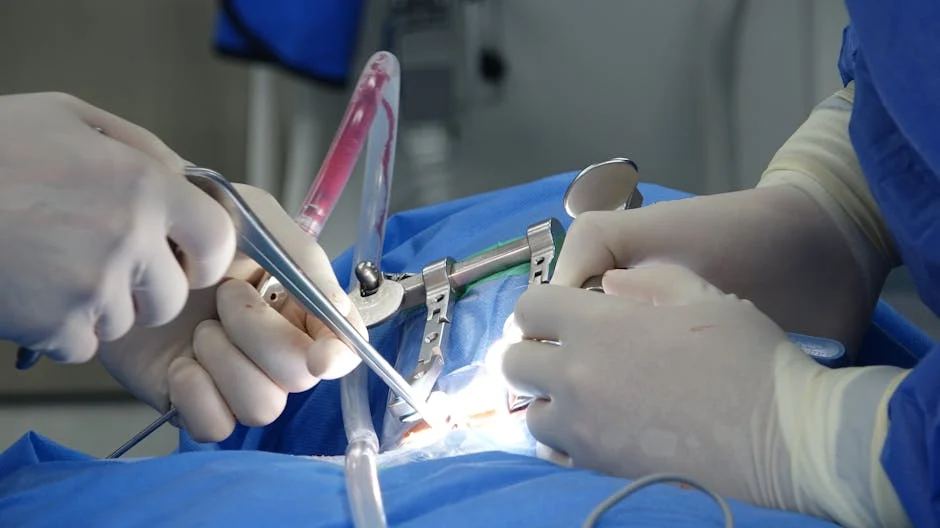

Joint replacement surgery relieves chronic pain, and it restores mobility for some patients. Traditional methods rely on the surgeon’s visual assessments during the procedure. Robotic-assisted technology is a newer approach in orthopedic medicine that combines the surgeon’s expertise with computer-guided precision. Here is more information on robotic-assisted joint replacement:
What Is Robotic-assisted Joint Replacement?
Robotic-assisted joint replacement is a surgical procedure that utilizes a specialized robotic arm. The surgeon remains fully in control of the operation, but the robotic system provides enhanced visualization. This technology serves as a precise guide, helping the surgeon execute the pre-planned joint alignment.
How Does It Work?
The procedure begins with advanced imaging techniques. Doctors take a CT scan of the affected joint, and this scan generates a three-dimensional model of the patient’s anatomy. The surgeon uses this detailed model to plan the specific implant size and placement.
During the operation, the surgeon uses Mako robotic-assisted surgical technology. The Mako system tracks the patient’s anatomy in real time, and it adjusts the surgical boundaries accordingly. The robotic arm provides tactile feedback to prevent the surgeon from moving outside the planned area, helping keep surrounding healthy tissue protected.
What Does It Treat?
Orthopedic surgeons use this technology for several common joint conditions. It is used to treat severe osteoarthritis, and it helps patients with rheumatoid arthritis. The procedure is applicable to both partial and total knee replacements, as well as total hip replacements.
The technology addresses joint damage caused by traumatic injuries. Doctors evaluate the specific type of joint degeneration to determine whether the robotic method suits the patient’s needs. Patients with complex joint deformities may also benefit from this approach, as the computer model helps the surgeon navigate unusual anatomical structures.
What Does the Process Involve?
The process starts with a comprehensive medical evaluation. A specialist reviews the patient’s medical history, and the medical team conducts necessary physical examinations. The patient then undergoes a CT scan to map the joint, and the surgeon schedules the operation date. After the surgery, the patient may begin a rehabilitation program to regain strength.
What Are the Benefits?
Robotic-assisted joint replacement offers several clinical benefits over traditional surgery. The enhanced precision allows for more accurate implant placement, potentially improving joint function. Patients may experience less tissue damage, resulting in shorter recovery times. The precise alignment also reduces wear on the implant, and this may increase the longevity of the artificial joint.
The robotic arm helps preserve healthy bone around the joint. Surgeons make smaller incisions during the procedure, which minimizes visible scarring. Less surgical trauma may lead to less post-operative pain, so patients transition to recovery sooner.
The customized surgical plan helps reduce complications during the operation. The real-time feedback mechanism alerts the surgeon to any anatomical shifts, and the robotic arm prevents movement outside the designated zone. Patients may return to their daily activities with improved joint stability, which helps enhance their quality of life.
Learn More From a Specialist
Robotic-assisted surgery provides precise implant placement, and it helps protect healthy bone and tissue. This technology uses advanced CT scans and robotic guidance to improve clinical outcomes for patients undergoing joint replacement. Speak with an orthopedic specialist to schedule an initial consultation and evaluate your specific condition.