
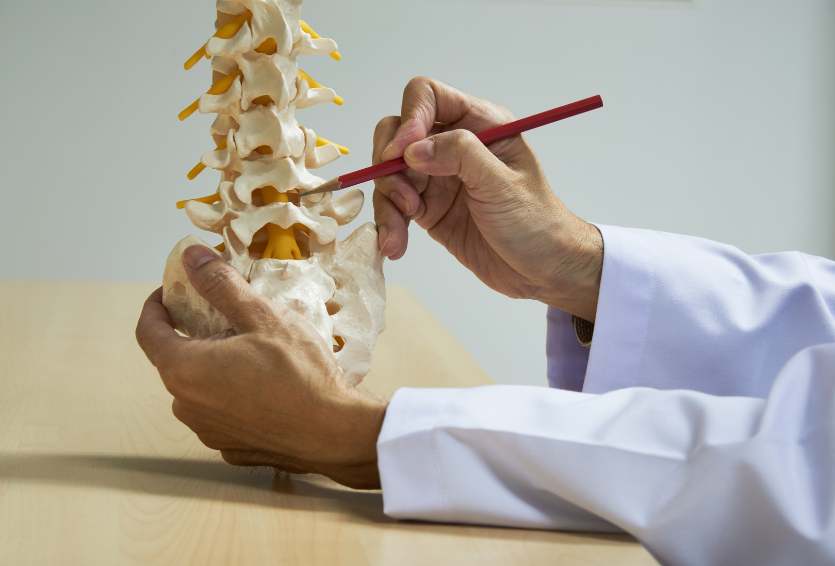

Spinal stenosis is characterized by the narrowing of the spaces within the spine, and this condition often puts pressure on the nerves. This spinal condition most commonly occurs in the lower back and the neck. Natural wear and tear, or changes in the bone and ligaments, can reduce the space available for the spinal cord over time. Understanding the mechanics of your spine helps you navigate the physical changes associated with this diagnosis. Here’s information on what it is like to navigate life with spinal stenosis:
Living With Spinal Stenosis
Spinal stenosis most often develops as a result of age-related changes in the spine. The natural wear on spinal structures can lead to degenerative conditions like osteoarthritis, which causes the cartilage in the joints to break down. This degeneration may result from the formation of bone spurs, which may narrow the spinal canal and compress surrounding nerves. Some other common causes include:
- Herniated Discs
- Thickened Ligaments
- Traumatic Injuries
- Tumors
Less commonly, spinal stenosis may be congenital, meaning some individuals are born with a naturally narrow spinal canal. Regardless of the cause, understanding the changes within the spine is fundamental for managing symptoms and preserving quality of life.
Living with this condition affects your daily routine and physical capabilities. Many individuals experience numbness, muscle weakness, or a tingling sensation in their arms or legs. These physical changes can alter how you walk, and they may limit your ability to stand for long periods. You might find that sitting down relieves the pressure, but the discomfort often returns when you stand back up. Simple tasks like grocery shopping or taking a walk can require more effort and planning when managing this condition.
Managing Daily Symptoms
It is beneficial to monitor how your body responds to daily activities over time. If you notice a sudden drop in your mobility or experience new weakness in your limbs, you may need an evaluation. A medical expert can assess your spinal health and determine the precise cause of these changes. Specialists use imaging tools like X-rays or MRI scans to view the structures of your spine, helping them identify where the narrowing is occurring.
Addressing the immediate effects of spinal stenosis requires a structured, conservative approach. Physical therapy is a common treatment that builds core strength and promotes spinal flexibility. Therapists guide you through specific exercises, and they monitor your progress, adjusting your plan when needed. Building stronger abdominal and back muscles helps support the spine and reduces pressure on the nerve roots.
With physical therapy, healthcare providers may discuss spinal injections with you. Corticosteroid injections can be placed near the affected nerve spaces to temporarily reduce localized swelling. Injections do not fix the structural narrowing, but they can lower inflammation around the irritated nerve, reducing discomfort.
Managing Longterm Care
When daily symptom management is not enough to maintain your routine, structural interventions may be recommended. There are several surgical approaches to addressing the narrowed spaces in the spine. A laminectomy is a surgical procedure that removes the lamina, or the back part of a vertebra. The lamina part of a vertebra covers your spinal canal. Removing this bone enlarges your spinal canal, and this relieves the pressure that causes discomfort.
Disc Replacement or Microdiscectomy
In some cases of spinal stenosis, the discs between the vertebrae contribute to nerve compression. Artificial disc replacement involves removing a damaged disc and replacing it with a synthetic one to maintain natural spinal motion. This minimally invasive surgery focuses on relieving nerve pressure while preserving function. Another option is a microdiscectomy, which is a procedure that removes only a portion of a disc. Microdiscectomies focus on the specific portion of the disc that is pressing on a nerve, relieving pressure with minimal changes.
Spinal Fusion Options
Spinal fusion is a procedure that permanently connects two or more vertebrae in your spine, which eliminates motion between them. Surgeons place bone or a bone-like material within the space between the vertebrae. Metal plates, screws, and rods may be used to hold the vertebrae together while they heal into one solid unit. This approach provides rigid stability to the affected area of the spine.
Visit a Spine Specialist Today
Navigating spinal stenosis requires professional guidance tailored to your specific anatomy. Every spine is unique, and a qualified specialist can help you understand your current condition. To learn more about your spinal health, contact a spine specialist to make an appointment.