
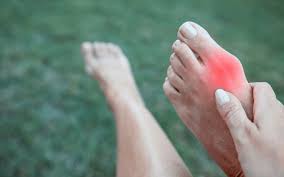

Bunions can gradually affect foot alignment, comfort, and mobility, especially when left unaddressed over time. Daily habits, footwear choices, and activity levels may all influence how symptoms develop and how manageable they become. A combination of practical lifestyle adjustments and appropriate medical care can help reduce discomfort and support better foot function. Here is a closer look at lifestyle changes and treatment strategies for managing bunions:
Identify Habits That Trigger Bunions
Certain daily habits affect how bunions develop and how quickly they worsen. One of the biggest factors is footwear; wearing tight, narrow, or high-heeled shoes places extra pressure on the toes. This can push the big toe joint further out of alignment and is problematic for people already predisposed to bunions. Other contributing factors include prolonged standing, high-impact activities, and underlying conditions such as arthritis. Recognizing which habits may be worsening your bunion is the first step toward managing the condition effectively.
Adjust Daily Habits
Making targeted lifestyle changes can slow the progression of bunions and reduce discomfort. Here are some beneficial adjustments to incorporate:
- Switch to wider footwear: Choose shoes with a wide toe box that doesn’t press against the bunion.
- Use bunion pads: Over-the-counter, non-medicated bunion pads cushion the affected area and reduce friction from shoes.
- Apply ice regularly: Applying ice to the bunion for a few minutes can reduce swelling and relieve soreness after activity.
- Modify your activity level: Reducing high-impact activities, such as running on hard surfaces, limits stress on the joint and may decrease pain.
- Maintain a healthy weight: Excess body weight increases the load on your feet, which can aggravate bunion symptoms over time.
These changes won’t reverse bunions, but they often make daily life more comfortable and help slow their progression.
Explore Non-Surgical Treatments
Several non-surgical treatments are available for managing bunion pain. Orthotics, custom or over-the-counter shoe inserts, can help redistribute pressure across the foot. This reduces strain on the affected joint; a podiatrist can recommend the right type based on your bunion’s severity.
Splints or toe spacers are also commonly used to realign the big toe while resting, particularly overnight. Physical therapy exercises that strengthen the muscles around the joint may also help maintain the range of motion and reduce discomfort. Over-the-counter pain medications can provide short-term relief during flare-ups, though they address symptoms rather than the root cause.
Seeking Professional Care
Lifestyle changes and non-surgical options may not be enough to manage bunions in some cases. Medical treatment, including surgery, may be recommended when conservative approaches have not provided adequate relief. The following situations are signs that it may be time to see a foot and ankle specialist:
- Persistent foot or toe pain that does not improve with lifestyle changes or non-surgical treatments.
- Difficulty finding shoes that fit comfortably around the bunion.
- Reduced mobility or an inability to put weight on the affected toe.
- A visibly large or worsening bump at the base of the big toe that continues to grow despite conservative care.
If any of these apply to you, scheduling an appointment with a foot specialist is a helpful next step.
Schedule Your Bunions Appointment Today
Managing a foot bunion involves a combination of lifestyle adjustments, non-surgical treatments, and, when necessary, medical intervention. Wearing proper footwear, using bunion pads, and modifying activity levels can reduce daily discomfort. If your bunion is affecting your quality of life, contact a qualified foot and ankle specialist near you to schedule your appointment today.