
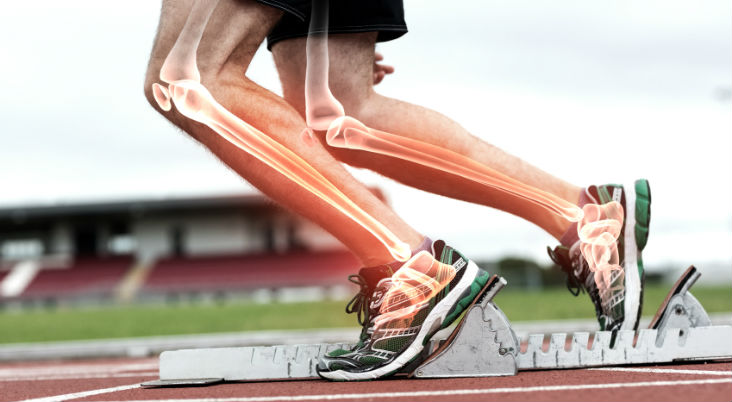

Sports injuries affect athletes of all levels, from recreational participants to elite professionals. Common sports injuries range from sprains and strains to stress fractures and tendonitis, and each requires targeted care. Prompt and appropriate treatment helps restore function, reduce pain, and prevent long-term complications. Here is more information about some common sports injuries that may benefit from treatment:
Joint Injuries and Treatments
Sports injuries involving joints include sprains, dislocations, and ligament tears. A sprain occurs when ligaments, which connect tissue to bones, are stretched or torn, and the ankle is a commonly affected joint in athletes. Dislocations happen when bones shift out of their normal positions, which causes immediate pain and instability.
Treatment depends on the severity of the injury. Mild sprains typically respond well to the R.I.C.E. method, and this stands for rest, ice, compression, and elevation. If you have a more severe case, such as a complete ligament tear or dislocation, it may require physical therapy or surgery to fully restore joint function.
Chronic Injuries and Treatments
Chronic sports injuries develop gradually, building up over months or years of repeated stress on the body. Unlike acute injuries, these conditions worsen progressively if left unaddressed. Runner’s knee is a well-known condition, and shin splints are also common.
Runner’s knee, also called patellofemoral syndrome, involves pain around the kneecap, and it is typically worsened by running, squatting, or climbing stairs. Because shin splints cause aching pain along the inner edge of the shinbone, they are common in runners and dancers. Both conditions can become a hindrance to participating in an athlete’s chosen activity.
Managing chronic injuries usually involves activity modification, targeted strengthening exercises, and orthotics to correct biomechanical issues. A podiatrist can assess foot alignment, and this plays a role in many lower-limb chronic conditions. When correct alignment is achieved, it can result in less pain and discomfort.
Soft Tissue Injuries and Treatments
While soft tissue injuries affect muscles and tendons, they also occur in ligaments. Strains are tears in muscles or tendons, and they are among the most prevalent soft tissue injuries in sports. A hamstring strain, for example, often results from sudden acceleration or high-speed running.
These injuries are graded by severity. Grade I strains involve minor tearing with minimal strength loss, while Grade III strains represent a complete rupture. Treatment for mild-to-moderate strains begins with rest and ice, progressing to stretching and strengthening rehabilitation; severe ruptures may call for surgical repair, followed by a structured recovery program.
Overuse Injuries and Treatments
Repetitive motion without adequate recovery time leads to overuse injuries, and these are particularly common among endurance athletes. Stress fractures are tiny cracks in bone, which are caused by repetitive loading. These frequently affect the feet and lower legs. Tendinopathy, which is a degeneration of tendon tissue, is another common result of overtraining.
Treatment for overuse injuries centers on reducing the offending activity and allowing tissue to heal:
- Rest and load management: Reducing training volume gives the affected tissue time to recover.
- Physical therapy: Guided exercises rebuild strength and correct movement patterns that contributed to the injury.
- Orthotic devices: Custom footwear or insoles help redistribute pressure, especially for foot and ankle overuse conditions.
Returning to sport too quickly is one of the leading causes of reinjury, so a gradual, supervised return-to-activity plan is recommended.
Get Treatment for Sports Injuries
Sports injuries span a wide range of conditions, such as joint injuries like sprains and dislocations, chronic problems like runner’s knee, soft tissue damage from strains, and overuse injuries like stress fractures. Each type calls for a different treatment approach, from R.I.C.E. therapy and physical rehabilitation to surgical intervention when necessary; early diagnosis and proper management may help patients achieve full recovery. If you want to learn more about treatment for sports injuries, consult a podiatrist near you.