
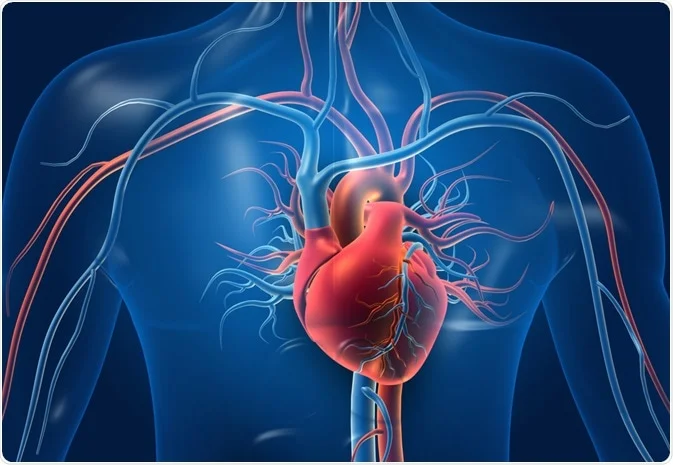

Cardiovascular conditions affect the structures and functions of the heart, impacting how blood circulates throughout the body. Cardiovascular conditions affect the heart and blood vessels, and cardiology services provide key diagnostic tools for managing them. Medical professionals use these services to evaluate heart function, identify irregularities, and develop appropriate management plans tailored to individual needs. Here is information on common cardiovascular conditions that a cardiology clinic can diagnose and treat:
Hypertension
Hypertension, or high blood pressure, occurs when the force of blood pushing against the artery walls remains consistently elevated. This increased pressure requires the heart to work harder to circulate blood over time. Medical professionals monitor blood pressure regularly, as cardiovascular conditions frequently present without noticeable symptoms in their early stages.
Recognizing and Monitoring Hypertension
Accurate measurement is the primary method for identifying elevated blood pressure, but hypertension is diagnosed when levels remain high over time. A medical professional uses a sphygmomanometer to measure systolic and diastolic blood pressure. Consistent monitoring helps specialists track health changes more effectively, enabling timely lifestyle or medical interventions to support vascular health.
Diagnosing Cardiovascular Concerns
Diagnostic cardiology services involve specialized tests designed to evaluate heart function and identify potential cardiovascular issues. Specialists use tools such as electrocardiograms (ECGs), echocardiograms, and stress tests to measure electrical activity, assess heart valve function, and monitor blood flow. These non-invasive assessments provide the baseline data needed to understand an individual’s specific cardiovascular status.
Heart Palpitations
Heart palpitations present as a sensation of a fast, fluttering, or pounding heartbeat. Individuals may feel these irregular beats in the chest or neck. Many individuals experience heart palpitations during times of high stress, but persistent fluttering warrants a thorough medical evaluation. Specialists investigate the underlying causes of palpitations using Holter monitors or other continuous tracking devices to capture the heart’s electrical patterns.
Coronary Artery Disease
Coronary artery disease involves the major blood vessels that supply the heart with:
- Blood
- Oxygen
- Key Nutrients
This condition typically results from atherosclerosis, which is the accumulation of cholesterol-containing deposits within the arteries. Coronary artery disease develops when plaque builds up in the blood vessels, and this narrowing can restrict valuable blood flow to the heart. Decreased blood flow may lead to chest pain, commonly known as angina, or other cardiovascular complications.
Heart Failure
Heart failure is a chronic condition where the heart muscle does not pump blood efficiently enough to meet normal requirements. Medical professionals categorize heart failure into four distinct stages, and Stage A includes people who are at high risk of developing heart failure. During this stage, individuals already have cardiovascular concerns like hypertension and coronary artery disease. Stage B involves structural heart disease without signs or symptoms of heart failure. These first two are defined as pre-heart failure stages, which often improve with timely medical intervention.
Stage C of heart failure includes those with prior or current symptoms associated with underlying structural heart disease. This is the stage at which heart failure is commonly diagnosed. For Stage D, or advanced heart failure, specialized interventions are needed, as the heart is actively failing. Advanced heart failure is not treatable or reversible, so a heart transplant may be recommended. Heart failure presents in several ways, and many individuals experience shortness of breath during routine activities or while resting.
Visit a Cardiology Specialist Today
Understanding common cardiovascular conditions can help you make informed decisions about your cardiovascular and overall health. Whether you need a routine assessment or a comprehensive evaluation for heart palpitations, professional guidance is available. Don’t wait for your symptoms to worsen before establishing a provider; schedule an appointment today. Contact a cardiology specialist to learn more about the diagnostic services available for your needs.