
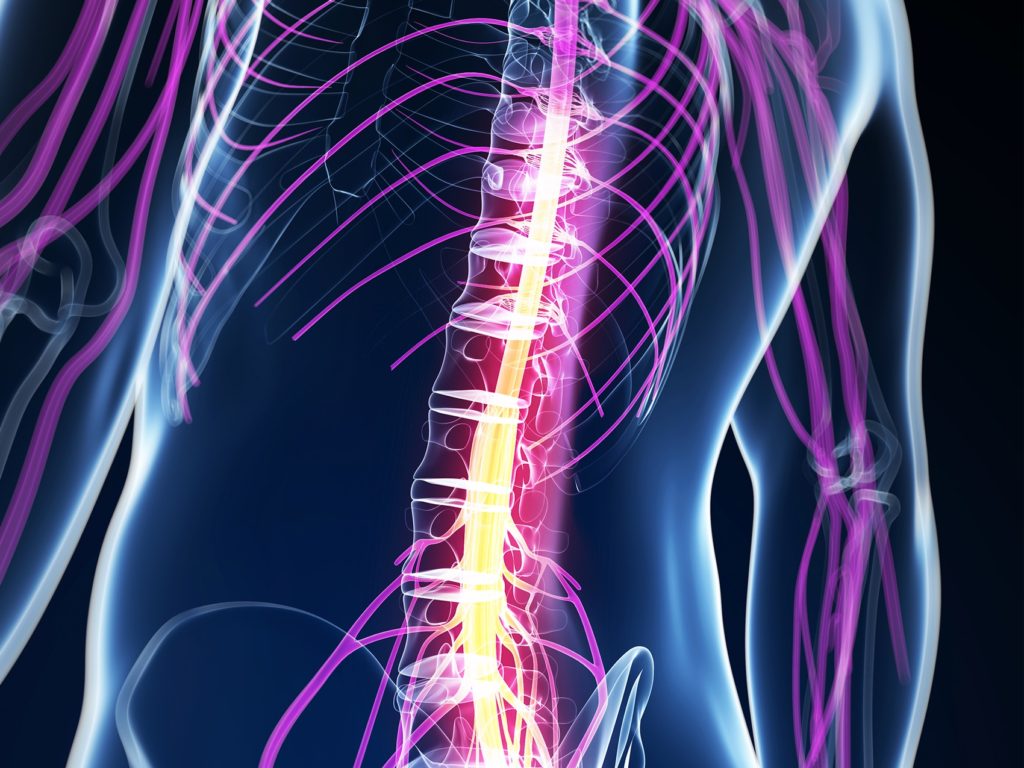

Spine concerns require careful medical attention, and back pain may stem from a range of anatomical sources. Common causes include sprains and physical strains. Conditions include a disc herniation that affects daily routines. A spine surgeon can provide a diagnosis and treatment.
Procedures: Minimally Invasive Operations
A spine surgeon can perform minimally invasive spine surgery, and this requires smaller physical incisions. Doctors utilize microdiscectomy and spinal stabilization; these methods target specific areas while avoiding surrounding tissues. Medical equipment provides clear visual guidance. While surgeons use microscopes or cameras to enhance their view of problem areas, they enable greater precision. Surgical instruments access the spinal column directly. They create smaller pathways through the muscles, and this may reduce tissue disruption. Smaller incisions heal with less extensive suturing, and some patients notice less discomfort afterward. Microdiscectomy removes damaged disc material. This technique is for specific types of disc issues addressed by a specialist. Spinal stabilization secures the vertebral segments. This approach is selected for patients requiring support due to instability. These procedures address structural abnormalities in accordance with medical guidance.
Treatments: Advanced Non-Surgical Methods
For people with back or neck pain, other treatments may be used before surgery. Medical professionals often recommend non-surgical options. Physical therapy builds strength and it improves mobility. Radiofrequency ablation involves nerve heating. This procedure targets the nerve causing the pain. Nonsteroidal anti-inflammatory drugs play a role in some treatment plans. These medications reduce tissue inflammation, and they can help manage localized discomfort. Physicians may suggest activity changes. By gently stretching the neck, this technique can reduce pressure on nerves and relieve pain. Chiropractic care provides structural adjustments. Some people report improvements in comfort and movement after these sessions, but results can vary from person to person.
Surgeries: Comprehensive Spinal Options
Comprehensive surgical methods address a range of spinal conditions. In some cases, management may be surgical after careful evaluation. Traditional spine surgery can address anatomical changes. Advanced approaches provide additional options. Spinal fusion connects vertebral bones. Surgeons may use artificial disc replacement for specific joint concerns. Spinal fusion uses bone grafts. These grafts fuse with the vertebrae over time, forming a single segment. Artificial disc replacement uses mechanical devices. These devices are designed to allow some degree of spinal movement. The team removes the affected disc, and then they place the artificial disc.
This implant is used to help maintain spacing and support in the spinal column. Surgical planning relies on medical images, and the approach is determined by each individual’s anatomy. Operating teams monitor the patient’s health indicators closely throughout the procedure. Surgical teams work together to maintain safe conditions and support the process. Stabilizing surgeries address alignment, since instability can be present. Bone healing is a gradual process. Periodic imaging can help monitor healing, and doctors modify follow-up care accordingly. Rehabilitation after surgery helps with recovery.
Consult a Spine Surgeon Today
These medical techniques address a range of spinal conditions. Modern medicine offers numerous spinal solutions. You must understand your clinical options and review them thoroughly. Please consult a medical specialist; they will provide personalized care after they evaluate your specific symptoms. Since spinal health requires professional medical assessment, consult a specialist today.