
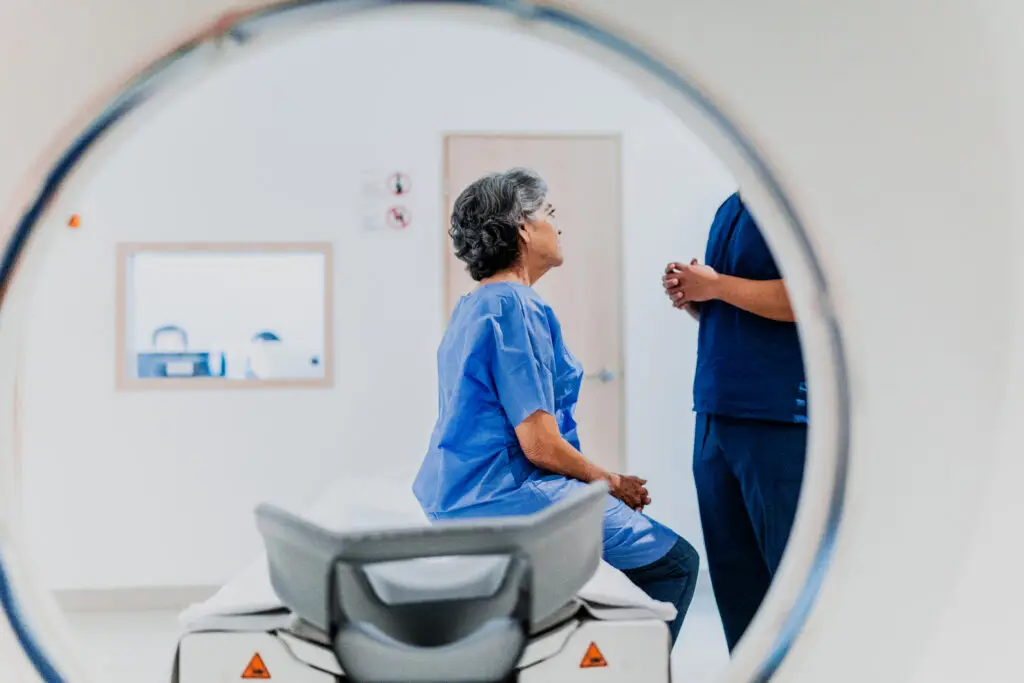

Pain management includes a range of medical approaches designed to reduce discomfort, improve function, and improve well-being for people living with acute or chronic pain. Interventional pain treatment focuses on targeted procedures that help identify, treat, and control pain at its source, often as part of a broader treatment plan. Here is a closer look at what interventional pain management is:
Understanding Interventional Pain Management
The interventional pain management process begins with a comprehensive medical evaluation to identify the specific source of discomfort. Physicians use imaging technologies like fluoroscopy or ultrasound during these procedures, and these tools guide the precise placement of needles or devices. Doctors block nerve signals that transmit pain to the brain by delivering treatments directly to the affected area.
A fundamental goal of this discipline is to reduce localized inflammation. Although the underlying issue may vary, the specialist targets the irritated nerves to help the patient experience reduced symptom severity. Medical practitioners perform these tasks in an outpatient setting, and this setup allows for a streamlined recovery process.
Addressing Pain Conditions
Specialists diagnose and treat various musculoskeletal and neurological conditions. Patients experience discomfort from various sources, and interventional techniques offer viable solutions for these ailments. If you experience ongoing discomfort in your joints or spine, a provider may diagnose one of several common conditions. These common conditions include:
- Herniated discs and spinal stenosis.
- Sciatica and cervical radiculopathy.
- Arthritis-related joint discomfort.
- Nerve injuries or neuropathy.
- Headaches and complex regional pain syndrome.
Sports injuries also respond well to these targeted medical strategies. Athletes sustain trauma to their soft tissues, and the trauma causes significant functional impairments.
Exploring Common Procedures
Providers use several procedures to alleviate chronic discomfort. The chosen technique depends on the patient’s diagnosis, and the physician explains the steps before the appointment. These therapies are minimally invasive, allowing most patients to return home the same day as their treatment. Common procedures include:
- Epidural steroid injections to reduce inflammation around spinal nerves.
- Nerve blocks to interrupt specific nerve signals.
- Radiofrequency ablation to deactivate nerves with heat energy.
- Joint injections to target arthritis in the shoulders, knees, or hips.
- Spinal cord stimulation to modulate signals for treatment-resistant conditions.
Regenerative options also stimulate tissue repair within the body. Platelet-rich plasma therapy accelerates healing in ligaments, and bone marrow cell therapy helps repair damaged tissues. Before a doctor administers these injections, they review the medical history to make sure the procedure is appropriate.
Choosing Interventional Pain Treatment
Patients often seek these therapies after conservative measures fail. Physical therapy and over-the-counter medications serve as initial steps, but some individuals require direct interventions. If a patient experiences adverse side effects from systemic medications, they should think about interventional pain management techniques.
Individuals with deteriorating joint health frequently require specialized medical interventions. Chronic arthritis limits joint mobility, and the limitation can restrict everyday physical activities. While joint replacement surgery remains an option, some patients prefer to explore minimally invasive pain management techniques first.
Book Your Pain Management Appointment
Interventional pain management offers a targeted approach to diagnosing and treating chronic discomfort. The procedures focus on the exact source of the issue, and it reduces the reliance on long-term systemic medications. Contact a qualified pain treatment specialist near you to book your appointment today.