
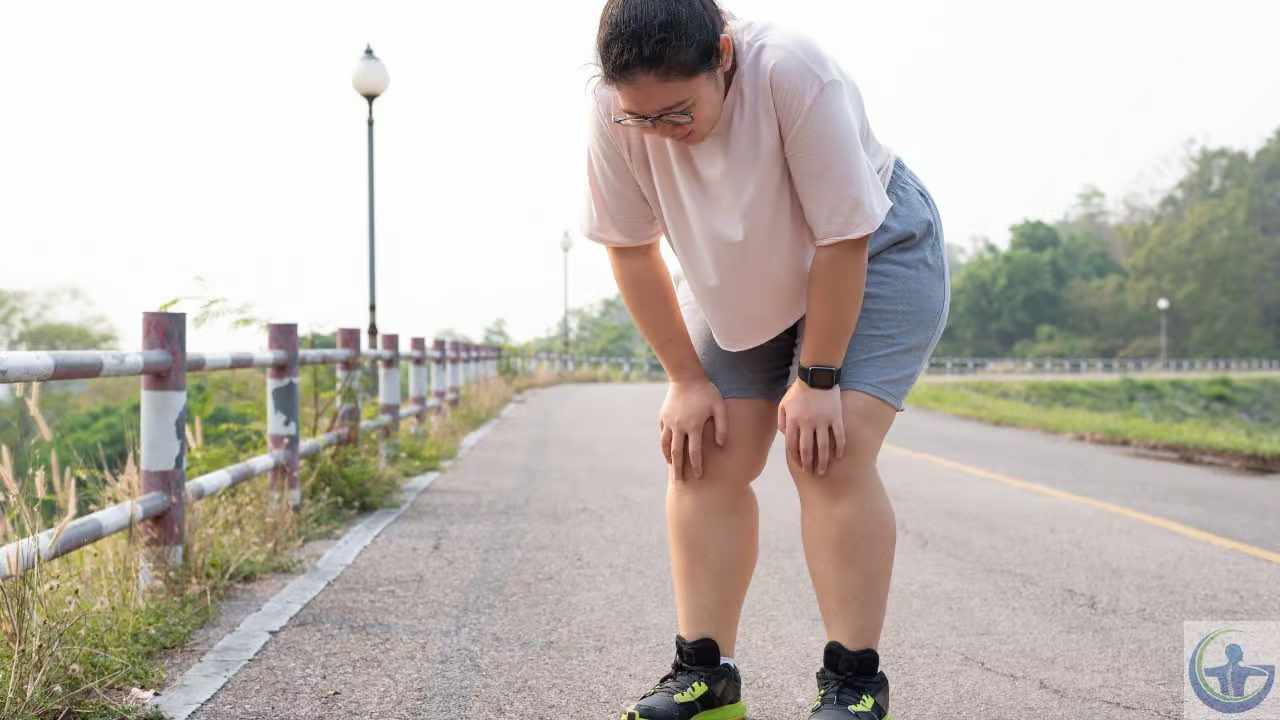

Knee pain and weight management are often closely connected because excess weight can place added pressure on the knee joints during everyday movement. Over time, this strain may contribute to discomfort, reduced mobility, and a greater risk of joint-related problems. Here is more information on how knee pain and weight management may be linked:
Reducing Pressure on the Knees
Your knees act as the primary shock absorbers for your body. When you walk across a room, your knees experience a heavy force. This pressure increases significantly on stairs, and it multiplies further during vigorous exercise.
Extra body weight places immediate mechanical stress on the joints. A person carrying extra weight adds more pressure on their knees, and this force accumulates with every step. Cartilage forms a smooth layer over your bones. It allows the knee joint to bend smoothly, but excessive pressure breaks this tissue down. If this protective layer completely degrades, bone grinds against bone, causing severe knee pain.
Looking Beyond Mechanical Strain
Fat tissue functions as an active organ rather than a passive storage unit. This tissue releases specific chemicals into your bloodstream, which can trigger widespread inflammation. Osteoarthritis often develops from ongoing chemical inflammation. Inflammatory substances travel through your body and reach the synovial fluid inside your joints. When these chemicals accumulate in the knee, they break down the cartilage from the inside out. Systemic inflammation attacks all joints equally. Mechanical strain is a primary factor, but the internal chemical response is equally harmful.
Managing Weight To Ease Pain
Managing your body weight is a helpful strategy for improving joint health. You can adopt clinical approaches to reduce your body mass, which will decrease your knee discomfort. If you want to protect your joints, contemplate these habits:
- Monitor your daily caloric intake to create a healthy energy deficit.
- Choose nutrient-dense foods that support cartilage repair and lower inflammation.
- Perform low-impact activities to burn calories without stressing the joints.
- Consult a medical professional to develop a safe weight loss plan.
These strategies provide a clear direction toward better joint function. While consistent weight loss requires discipline, the physical relief makes the effort worthwhile.
Breaking the Inactivity Cycle
Knee discomfort often prevents people from engaging in regular physical activity. A lack of movement leads to weight gain, which worsens existing knee pain. Low-impact exercises offer a safe solution for individuals with sore knees. Swimming can take the weight off your joints completely, and cycling helps to build leg strength without impact.
When you strengthen the muscles around the knee, the joint receives better support during daily activities. Medical interventions also help break this cycle. Treatments such as genicular artery embolization reduce inflammation, allowing patients to resume exercise.
Book Your Knee Pain Appointment.
Weight management remains a key component of chronic knee pain treatment. Reducing your body weight decreases mechanical pressure, and it can also lower harmful chemical inflammation in the body. If you experience persistent joint issues, contact a qualified healthcare professional near you to book an appointment for your knee pain today.